DJI Mini 4K Camera Drone Combo Review: Compact Performance
Read our expert DJI Mini 4K Camera Drone Combo review. We test its 4K video, 3-axis gimbal, 62-minute flight time, and 10 km transmission range.
 Drones
When client projects demand fast setup times and zero airspace friction, sub-240-gram aircraft are essential tools for modern video production. In this DJI Mini 4K Camera Drone Combo review, we look at whether this ultralight kit holds its own on commercial shoots and run-and-gun landscape jobs. Navigating regulatory hoops while packing smooth 4K footage into your kit bag makes exploring our main Drones section an easy choice for solo filmmakers.
What it does well
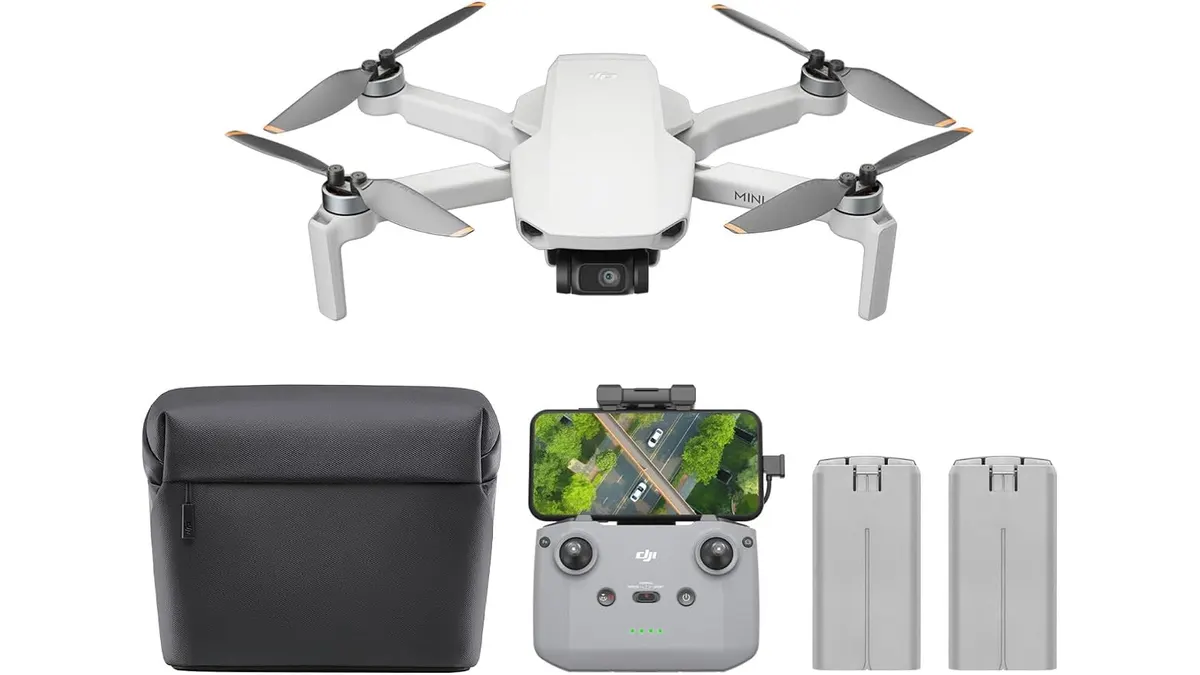
The primary strength of the DJI Mini 4K Camera Drone Combo lies in its extreme portability paired with dependable flight performance. Weighing under 249 grams, it bypasses the requirement for recreational FAA registration in the United States, allowing you to deploy quickly on location without wading through administrative delays. For solo creators shooting real estate, travel vlogs, or outdoor events, this rapid deployment feature is a massive practical asset.
Despite its featherweight frame, image stability is remarkably rock-solid. The mechanical 3-axis gimbal keeps 4K Ultra HD video silky smooth, neutralizing micro-jitter even during aggressive pan movements or sudden direction shifts. When flying along breezy coastal ridgelines, the brushless motors step up to deliver Level 5 wind resistance, holding position against gusts up to 38 km/h. We have flown similar ultra-compact rigs in breezy conditions where electronic-only stabilization drones struggle, and mechanical stabilization consistently wins out.
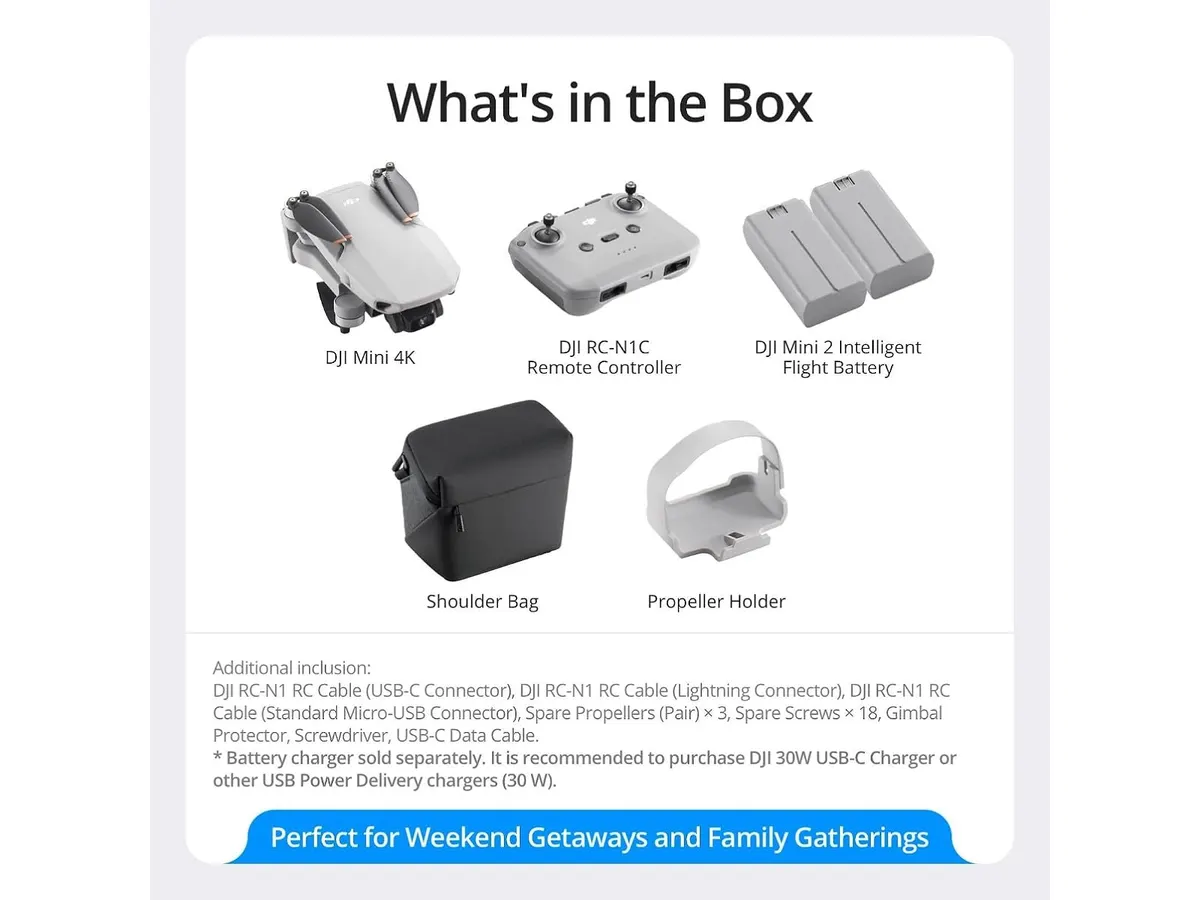
Transmission reliability is another major highlight for field shooters. With HD video transmission extending up to 10 km, the feed remains crisp with impressive anti-interference capability when maneuvering behind light tree lines or low structures. Furthermore, the included combo kit provides two batteries, offering up to 62 minutes of total airtime. That total flight duration provides enough cushion to scout angles, capture primary B-roll, and grab safety shots without constant power anxiety. If you are comparing single-battery setups versus expanded packages, our DJI Mini 4K Review breaks down the baseline performance, but having that second pack right out of the box transforms your operational workflow.
Key specifications
| Specification | Detail |
|---|---|
| Takeoff Weight | Under 249 g |
| Video Resolution | 4K Ultra HD |
| Stabilization System | 3-axis mechanical gimbal |
| Transmission Range | Up to 10 km (HD transmission) |
| Wind Resistance | 38 km/h (Level 5) |
| Total Flight Time | Up to 62 min (2 batteries included) |
| Max Takeoff Altitude | 4,000 meters |
Where it falls short
While the sub-249-gram physical design offers freedom from recreational registration, ultra-lightweight physics comes with inherent physical realities. Even though the Level 5 wind resistance handles breezes up to 38 km/h admirably, flying near the maximum takeoff altitude of 4,000 meters in turbulent high-altitude air pushes the small motors hard. You will notice increased battery drain when the drone works overtime to hold position in strong mountain drafts.
Additionally, while 62 minutes of combined flight time across two batteries is generous for standard shoots, high-volume production days require careful power management. Because you are splitting that total runtime across two distinct packs, individual flight windows cap at around half of that total figure. If you are accustomed to larger commercial platforms that carry continuous multi-hour battery fleets, you will still need a portable power station or vehicle charger on set to cycle batteries during extended documentary shoots.
Who is it for?
This drone combo is tailored for run-and-gun videographers, travel content creators, and documentary filmmakers who need clean 4K aerial B-roll without carrying heavy pelican cases. If you prioritize fast setup, sub-249g registration exemption for recreational flying, and smooth mechanical stabilization in a shoulder-bag form factor, this platform delivers fantastic practical value.
On the other hand, this setup is not for high-end cinema crews or broadcast operations requiring heavy payload capacity, specialized sensor setups, or heavy industrial airframes capable of battling extreme gale-force weather. Shooters who require autonomous tracking capabilities for self-filming action sports might also prefer alternative layouts; our DJI Neo 2 Review offers insight into lower-profile self-shooting options.
Alternatives to consider
If you are evaluating options across different price tiers and operational profiles, consider how your primary shooting environment dictates your needs. In the budget entry tier, simpler micro-drones lack 4K recording and mechanical 3-axis gimbals, relying instead on lower-resolution video and electronic stabilization. These lower-tier models work well as basic training tools for beginner pilots, but they lack the image stability and resolution necessary for professional video edits.
In the higher mid-range to premium professional tier, larger heavy-duty drones offer bulkier airframes with greater inertia, higher wind tolerance beyond Level 5, and specialized payload options. However, those larger platforms require mandatory registration, larger transport cases, and significantly higher investment. For creators who do not need commercial cinema payloads, the compact balance provided by sub-249g 4K platforms remains the sweet spot for portable versatility.
Verdict
The DJI Mini 4K Camera Drone Combo hits the sweet spot for mobile video creators who demand clean, stabilized aerial imagery without heavy gear. Combining a sub-249g frame with 4K Ultra HD video, a reliable 3-axis gimbal, 10 km transmission range, and up to 62 minutes of total flight time across two batteries, it streamlines field operations significantly. We highly recommend this combo for solo shooters and small production teams looking to add high-quality 4K aerial shots to their toolkit.
Frequently asked questions
Do I need to register this drone with the FAA for recreational use?
No, because the aircraft weighs under 249 grams, it falls under the weight threshold required for FAA recreational registration in the United States. However, remote pilots must still follow general airspace rules and safety guidelines.
How much total flight time does the combo package provide?
The combo includes two batteries that deliver a combined total flight time of up to 62 minutes under optimal conditions, allowing for roughly 31 minutes per battery pack.
How does the drone perform in windy outdoor conditions?
Thanks to its efficient brushless motors and 3-axis mechanical gimbal, the drone features Level 5 wind resistance, allowing it to maintain stable video footage in winds reaching up to 38 km/h.

Written by
Charly River
Editor & Head of Reviews
I review audiovisual gear by cross-checking official specs, real availability and value for money. No sponsorships: if a link earns a commission, I always say so.
Spotted an error? Email usYou may also like
 Drones
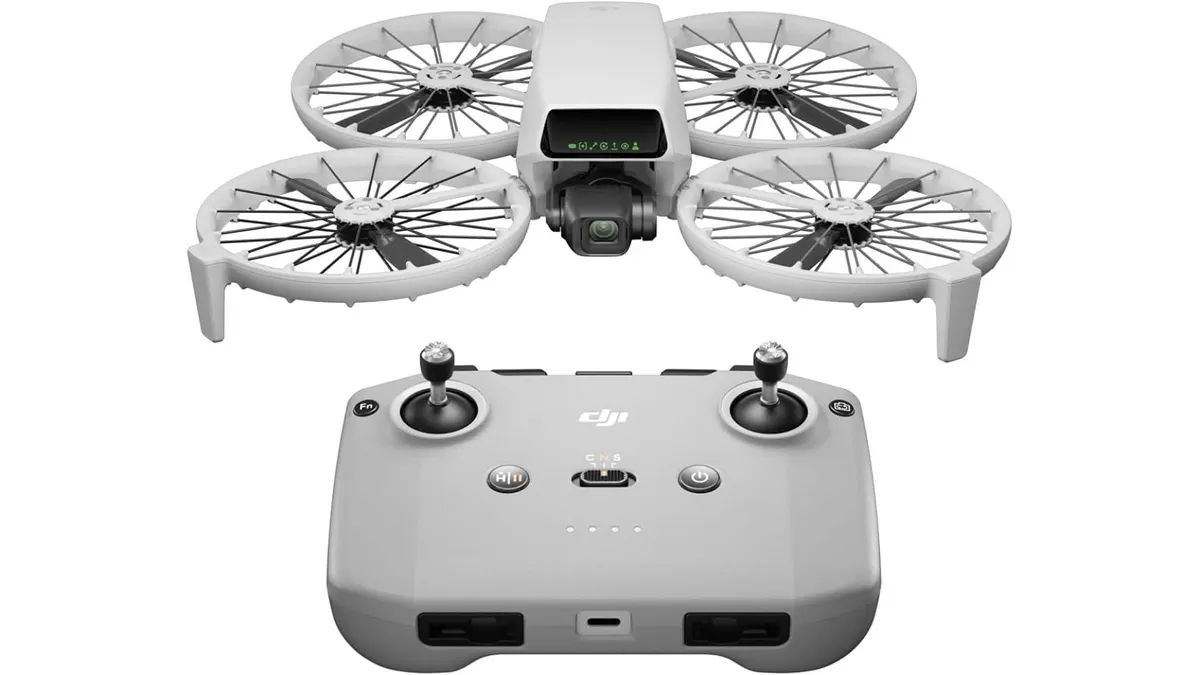
DJI Flip RC-N3 Review: A Capable Filmmaking Drone for Solo Shooters
I put the DJI Flip RC-N3 to the test. Is this sub-249g drone the right choice for your aerial kit? Read my honest take on its video quality and flight performance.
 Drones
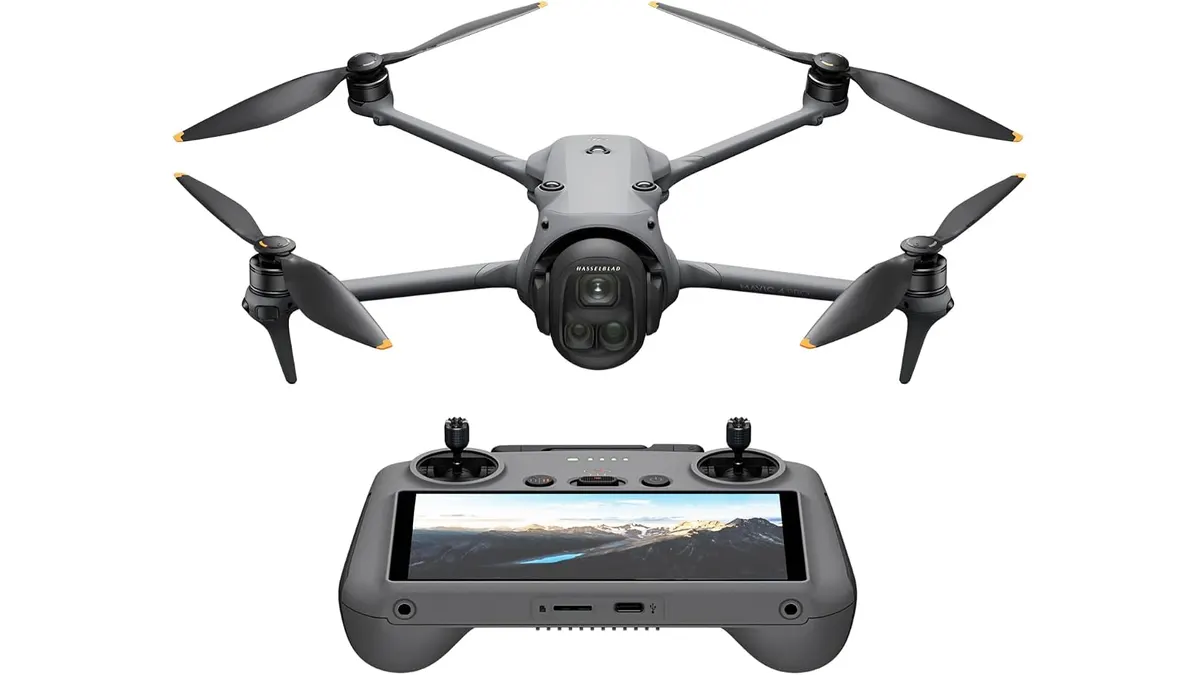
DJI Mavic 4 Pro Review: Flagship 6K Cinematic Drone
In-depth DJI Mavic 4 Pro review featuring its 100 MP Hasselblad camera, 6K HDR video, 51-min flight time, and 0.1 Lux Nightscape sensing system.
 Drones
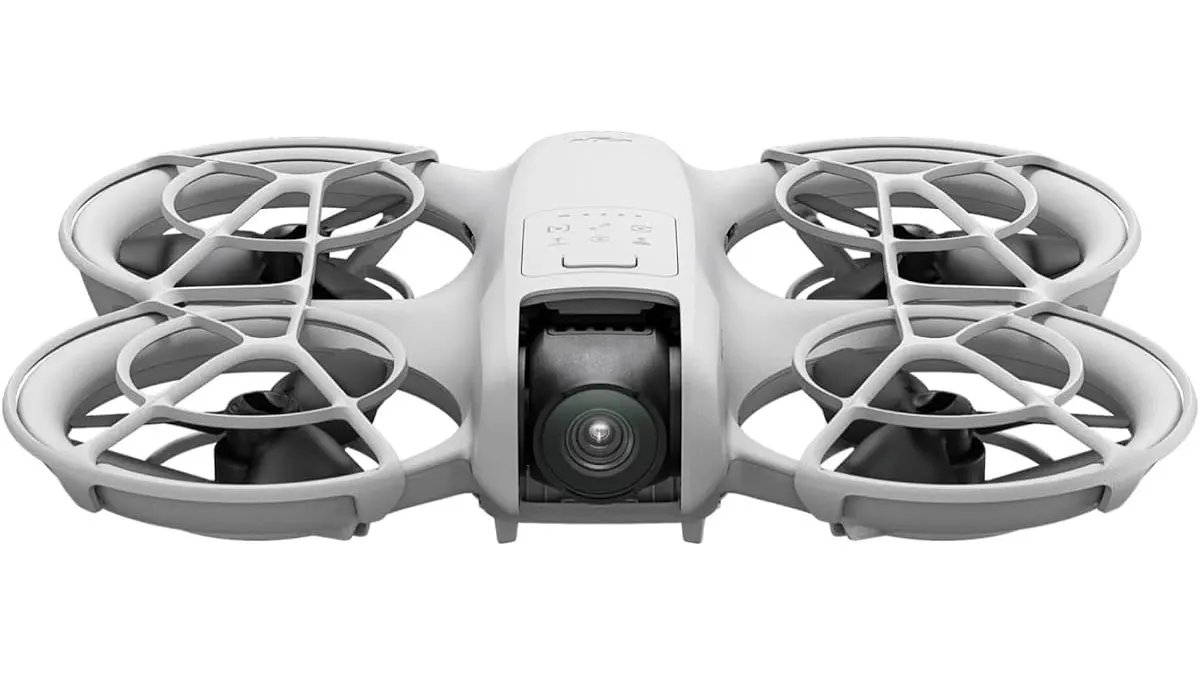
DJI Neo Review: Practical Field Testing the Ultralight Flying Camera
Read our honest DJI Neo review. We test the ultralight 135g flying camera in the field to see if its palm takeoff and 4K video are worth your time.