DJI Flip RC-N3 Review: A Capable Filmmaking Drone for Solo Shooters
I put the DJI Flip RC-N3 to the test. Is this sub-249g drone the right choice for your aerial kit? Read my honest take on its video quality and flight performance.
 Drones
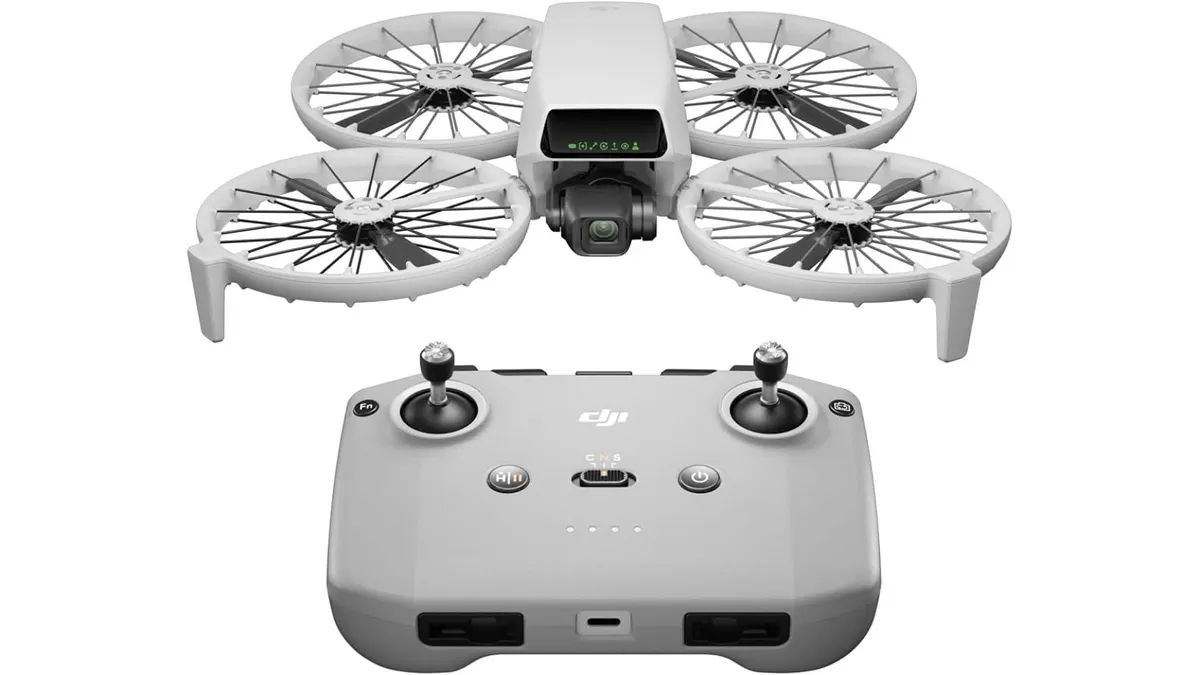
The DJI Flip (RC-N3) enters a crowded market, but it makes a compelling case for itself as a primary tool for solo creators. When I took this out for a weekend of location scouting, I was struck by how much capability is packed into a frame that slides into a jacket pocket. It is a drone built for those who value efficiency, portability, and high-quality results without the logistical burden of heavy gear. If you are building out your kit and exploring our Drones category, this should be on your shortlist.
What it does well
- The 1/1.3-inch CMOS sensor is a genuine step up for this weight class. It handles dynamic range with enough grace to make 4K/60fps HDR footage look professional right out of the camera, minimizing the need for heavy color grading.
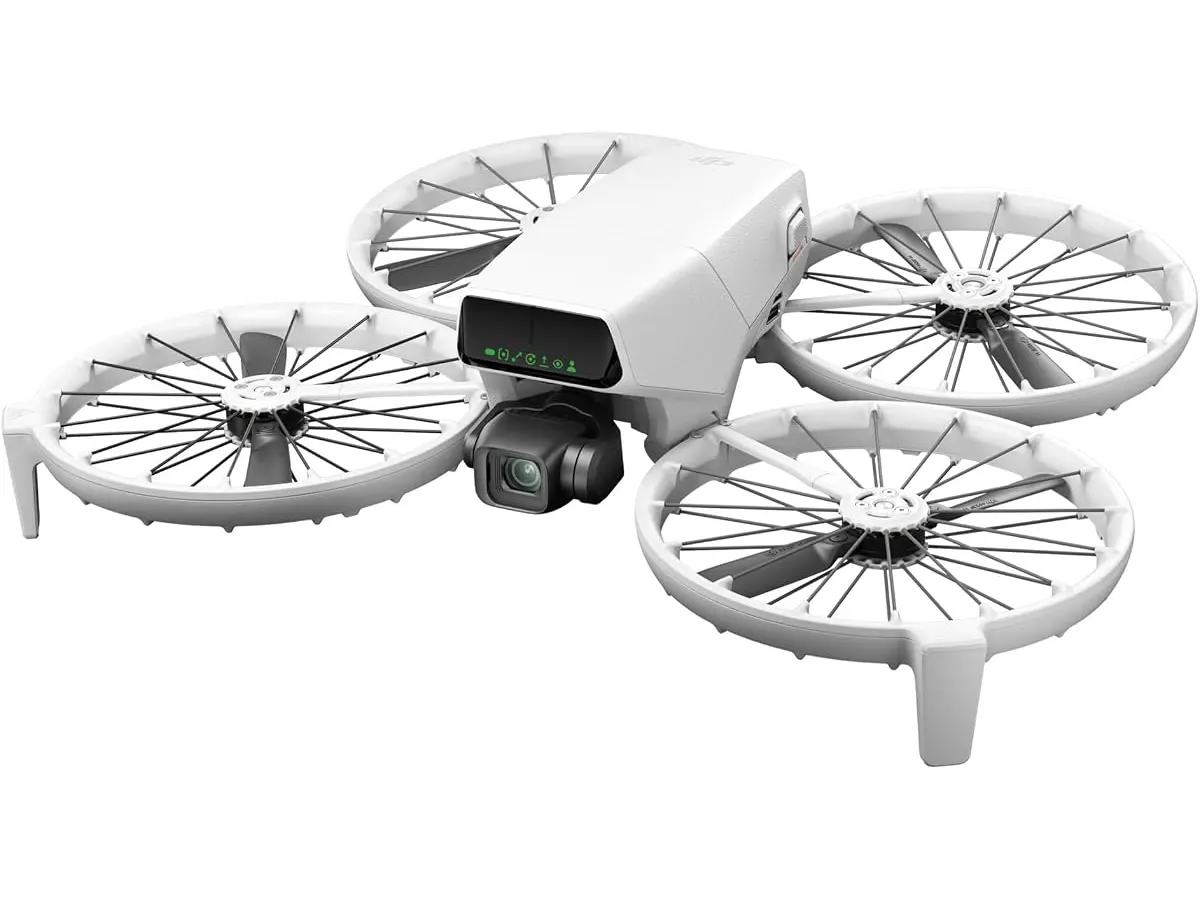
- At under 249g, the regulatory ease is a massive advantage for US-based creators. You can deploy it quickly in most environments without the administrative friction of larger aircraft, and the included carbon fiber propeller guards offer peace of mind when flying in tighter, more complex spaces.
- The intelligent subject tracking is remarkably sticky. Whether I was filming a subject walking through a park or tracking a vehicle on an open road, the drone maintained lock consistently, allowing me to focus on composition rather than fighting the sticks.
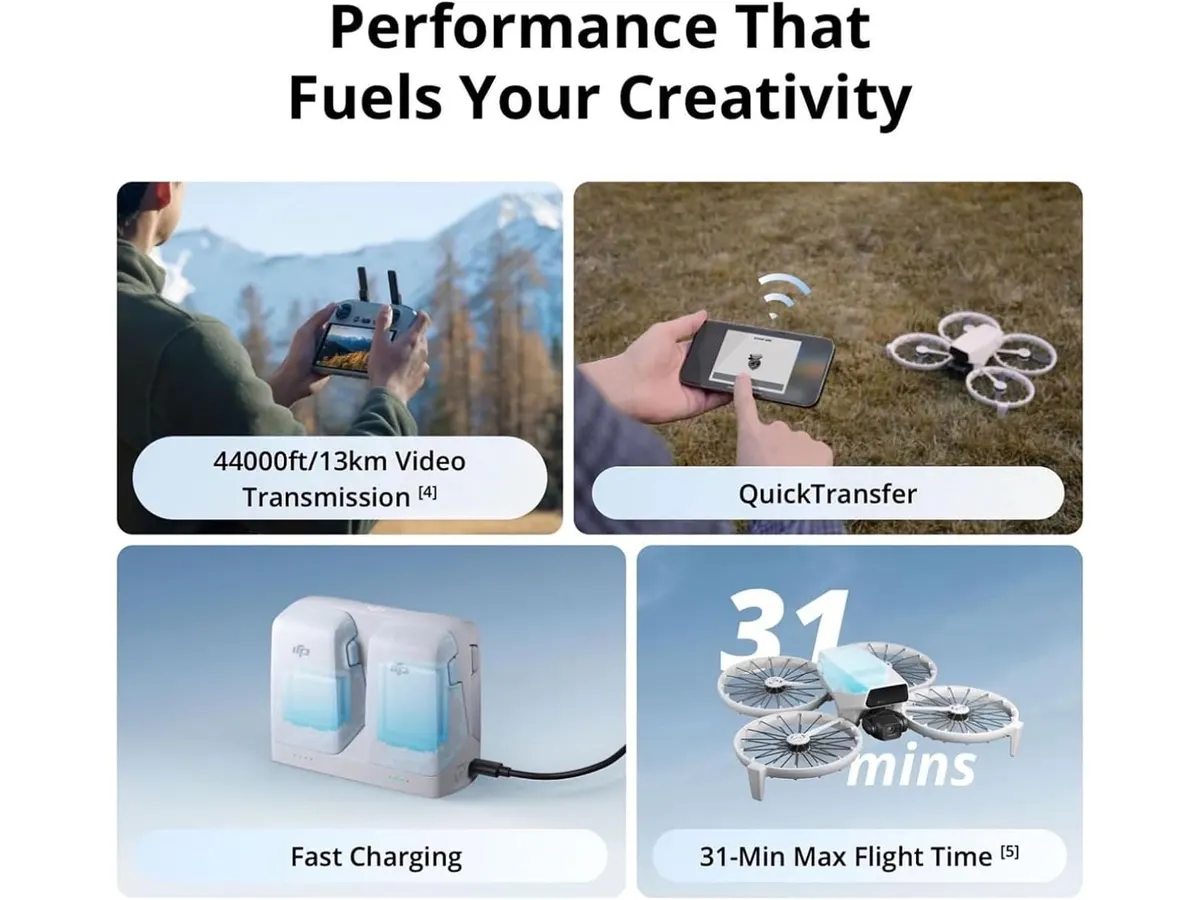
- With a transmission range of up to 13 km, the connection remains rock solid even in environments with potential interference, which is vital when you need to maintain visual lines of sight during remote shoots.
Key specifications
| Feature | Specification |
|---|---|
| Weight | < 249 g |
| Video Resolution | 4K/60fps HDR |
| Sensor Size | 1/1.3-inch CMOS |
| Flight Time | 31 minutes |
| Stabilization | 3-axis Gimbal |
| Transmission Range | Up to 13 km |
Where it falls short
While the DJI Flip (RC-N3) is impressive, it is not a perfect machine. The 31-minute flight time, while decent on paper, decreases significantly in real-world conditions with headwind or aggressive maneuvers, meaning you will need a robust battery management strategy if you are working a full-day shoot.
Furthermore, the small form factor comes with a physical trade-off in high-wind stability. While the 3-axis gimbal works hard to keep your horizon level, the aircraft itself can struggle to maintain a perfectly steady hover in gusts, leading to slight micro-jitters in the footage that might require stabilization in post-production.
Who is it for?
This drone is an ideal companion for the solo travel filmmaker or the content creator who needs to capture high-quality B-roll without a dedicated camera assistant. Its portability and ease of registration make it a “grab and go” tool that never feels like a burden.
Conversely, this is not the right choice for production teams working on high-budget commercial sets that require heavy-lift cinema cameras or redundant flight systems. If you need to carry heavy prime lenses or fly in extreme weather conditions, the DJI Flip (RC-N3) simply cannot replace a full-sized industrial platform.
Alternatives to consider
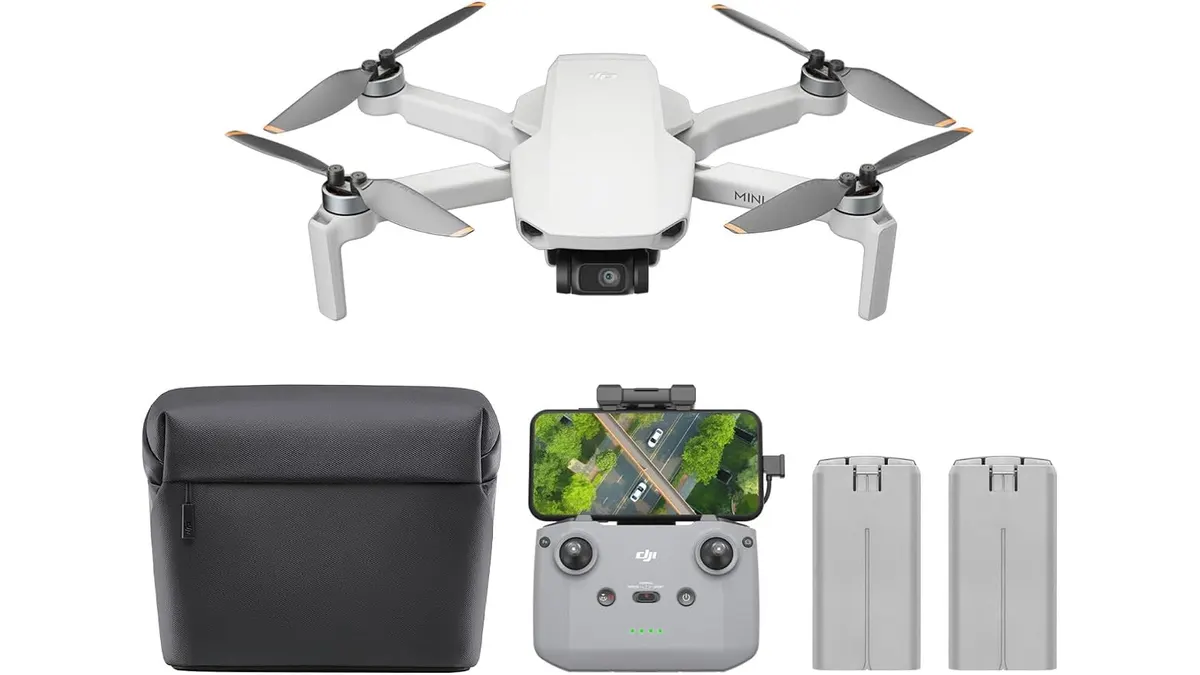
If you want something even more accessible, there is the DJI Mini 4K Review: Lightweight Drone for Cinematic Shots, which serves as a more entry-level, budget-friendly alternative for those just starting their aerial journey. If your priority is purely social media content and you want the smallest possible footprint, you might prefer the DJI Neo 2 Review: The Ultralight Drone for Selfie Lovers, which trades some of the advanced manual controls for extreme automation and size.
Verdict
After spending time with the DJI Flip (RC-N3), I found it to be a reliable workhorse for its size. It strikes a balance between professional-grade image quality and the convenience of a sub-249g weight class that is hard to ignore. If you accept the inherent limitations of a lightweight chassis, it is a smart addition to your kit.
Frequently asked questions
Is the DJI Flip (RC-N3) suitable for professional commercial work?
It works well for social media and online content, but for high-end cinema or broadcast, the sensor size and stability limitations make it a secondary tool rather than a primary camera.
Can I fly this in high-wind conditions?
While it holds up surprisingly well, it is still a sub-249g drone. It will struggle in strong gusts, and you should use caution if your shoot depends on perfectly static shots.
Does the 4K/60fps HDR quality hold up in low light?
It performs better than most drones in this weight class due to the 1/1.3-inch sensor, but you will still see noise if you push your ISO too high in dark environments.

Written by
Charly River
Editor & Head of Reviews
I review audiovisual gear by cross-checking official specs, real availability and value for money. No sponsorships: if a link earns a commission, I always say so.
Spotted an error? Email usYou may also like
 Drones
DJI Mini 4K Camera Drone Combo Review: Compact Performance
Read our expert DJI Mini 4K Camera Drone Combo review. We test its 4K video, 3-axis gimbal, 62-minute flight time, and 10 km transmission range.
 Drones
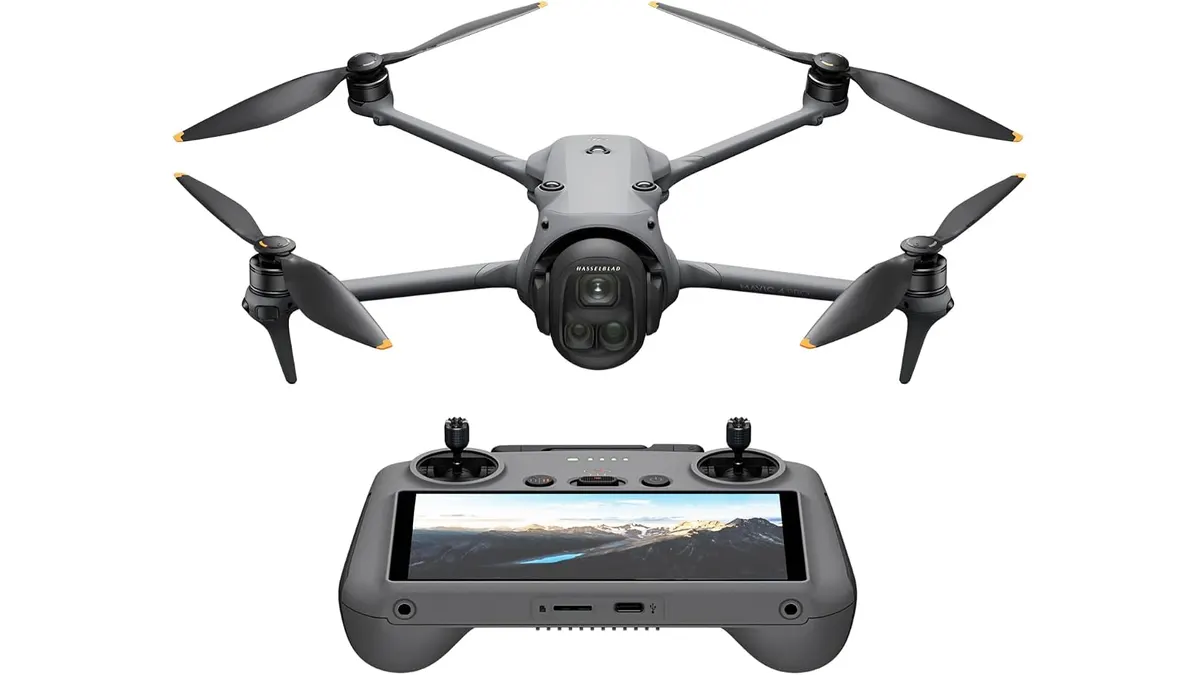
DJI Mavic 4 Pro Review: Flagship 6K Cinematic Drone
In-depth DJI Mavic 4 Pro review featuring its 100 MP Hasselblad camera, 6K HDR video, 51-min flight time, and 0.1 Lux Nightscape sensing system.
 Drones
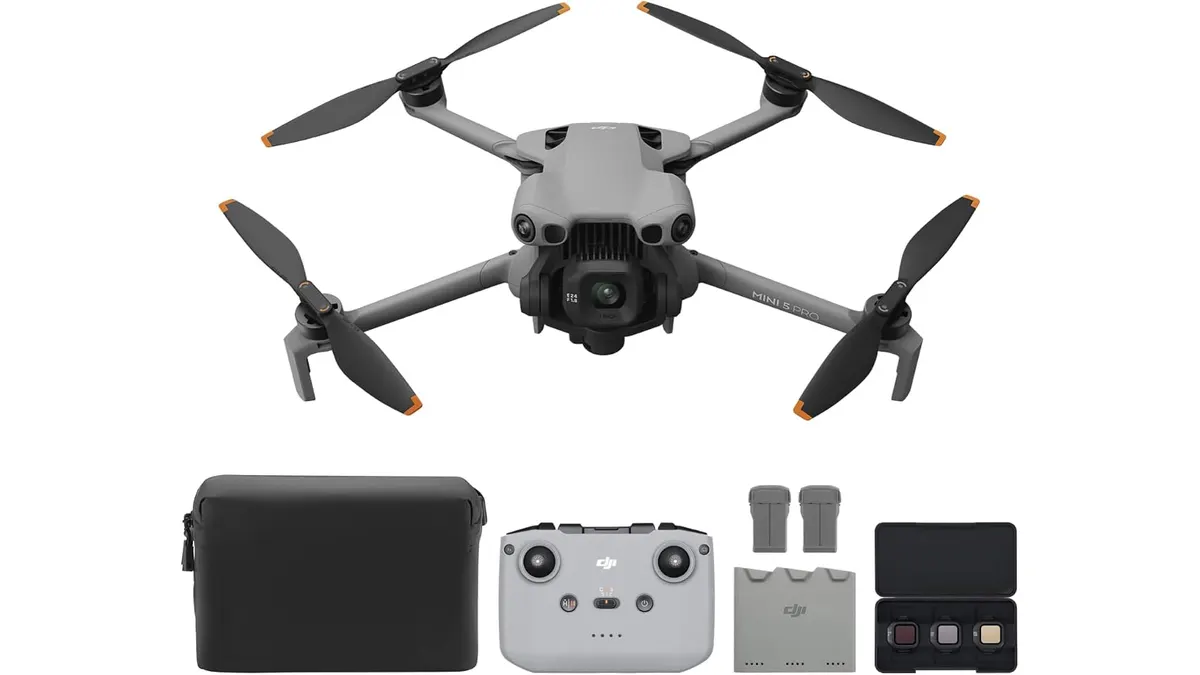
DJI Mini 5 Pro Review: Compact Drone with Stunning 4K Video
Explore the capabilities of the DJI Mini 5 Pro, a compact drone that delivers 4K video and impressive features for creators on the go.