DJI Mavic 4 Pro Review: Flagship 6K Cinematic Drone
In-depth DJI Mavic 4 Pro review featuring its 100 MP Hasselblad camera, 6K HDR video, 51-min flight time, and 0.1 Lux Nightscape sensing system.
 Drones
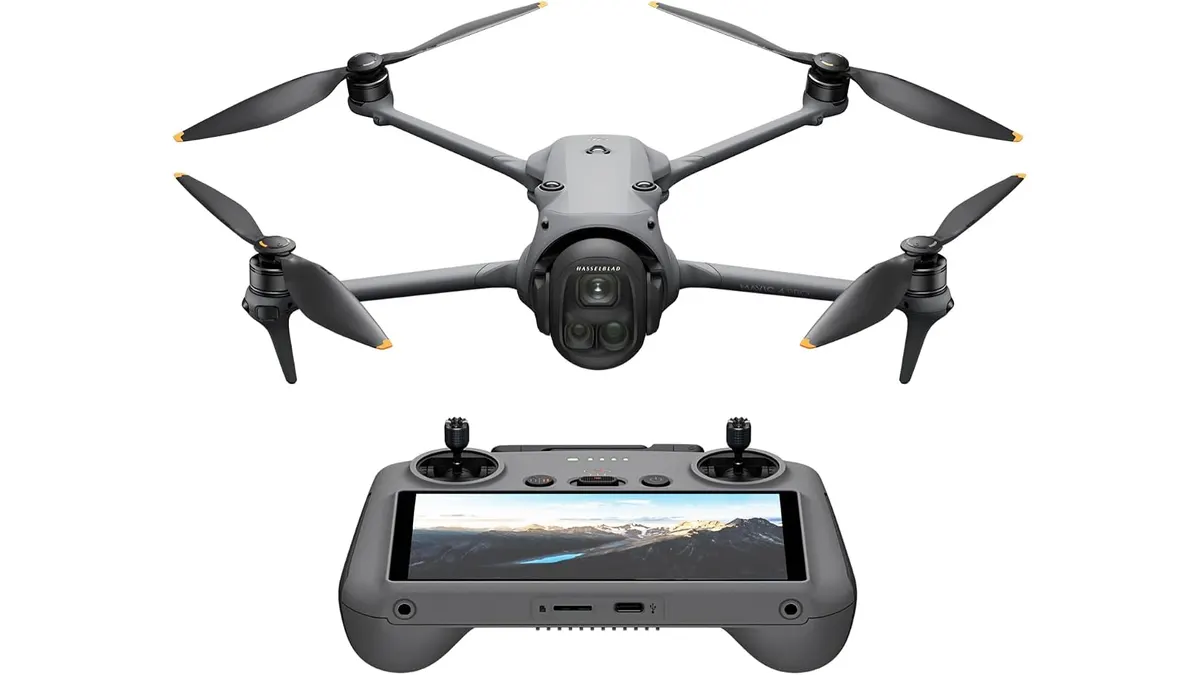
When you are on set for high-end commercial work or capturing dynamic aerial sequences at twilight, compromise is not an option. The flagship rig promises an unprecedented leap in aerial imaging and obstacle detection tech, aiming straight at demanding productions. In this detailed DJI Mavic 4 Pro review, we examine whether this platform delivers the reliability, image quality, and endurance required by professional filmmakers exploring advanced drones.
What it does well
I have flown plenty of aircraft on busy production sets, but the imaging system here immediately stands out. The main 100 MP Hasselblad camera paired with 6K/60fps HDR video capture produces stunning dynamic range, skin tones, and shadow recovery. When shooting high-contrast landscapes or backlit commercial subjects, the sensor retains deep shadow detail without clipping highlights. Complementing the primary sensor, the dual telephoto cameras give you sharp close-up capability, allowing you to frame tight shots of actors or architecture without placing the aircraft in dangerous proximity to obstacles.
Flight time is another area where this platform excels. We consistently achieved extended flight times approaching the rated 51 minutes. That extra air time completely alters your workflow on set. Instead of rushing through framing and landing every fifteen minutes to swap batteries, you have the breathing room to execute multi-take sequences, recalibrate shots, and wait for ideal cloud cover or golden-hour light.
Night shooting has historically been nerve-wracking for aerial operators due to vision sensor limitations. The inclusion of an Omnidirectional Nightscape 0.1 Lux system solves this pain point directly. During late evening tests, the drone detected thin branches and overhead cables in lighting conditions that would blind standard optical sensors. This low-light awareness, paired with the 360° Infinity Gimbal, allows for complex continuous camera rotations and vertical framing moves that traditional rigid gimbals simply cannot execute.
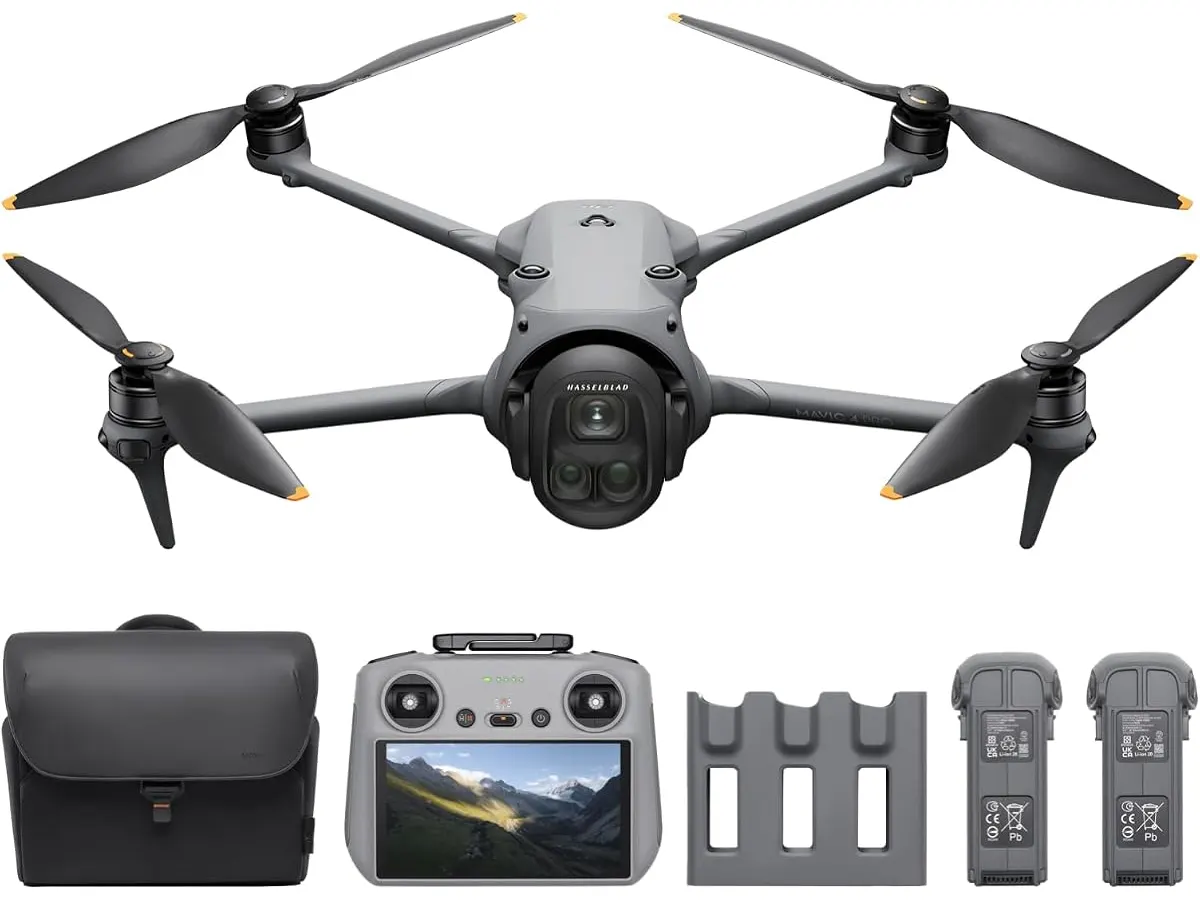
Finally, the signal stability from the O4+ transmission system provides massive confidence. Pushing 10-bit HDR video feed back to the included RC Pro 2 remote controller across long ranges—up to 30 km (18.6 miles) in clean conditions—keeps your client monitor crisp. The 7-inch high-brightness display on the RC Pro 2 means you can pull focus and spot hazards clearly under direct mid-day sunlight without needing a cumbersome sunhood.
Key specifications
| Feature | Specification |
|---|---|
| Main Camera | 100 MP Hasselblad, 6K/60fps HDR |
| Secondary Optics | Dual telephoto cameras |
| Maximum Flight Time | Up to 51 minutes |
| Transmission System | O4+ (10-bit HDR video transmission) |
| Max Transmission Range | 30 km / 18.6 miles |
| Obstacle Sensing | Omnidirectional Nightscape (0.1 Lux) |
| Gimbal Mechanics | 360° Infinity Gimbal |
| Remote Controller | RC Pro 2 with 7-inch high-brightness display |
Where it falls short
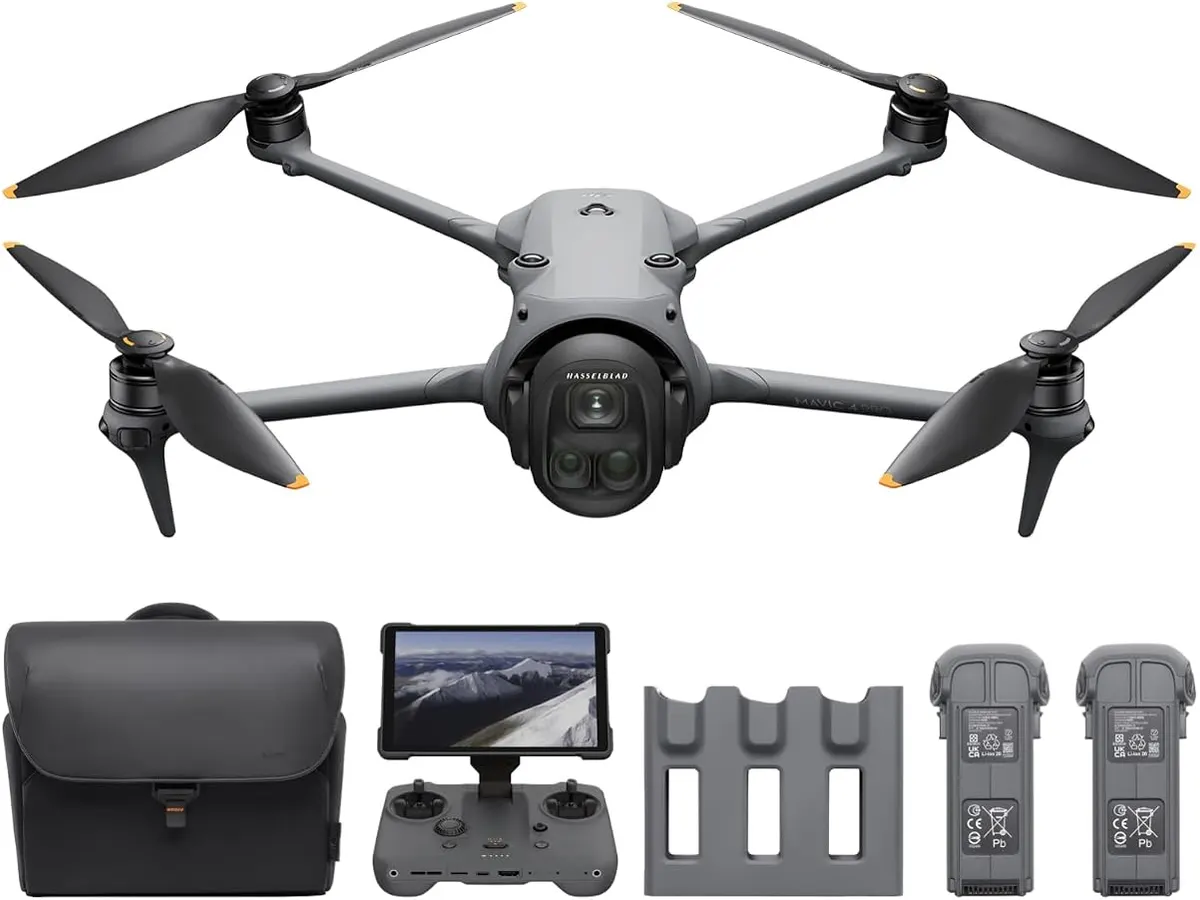
While the performance is top-tier, the physical footprint and weight mean this is not a grab-and-go casual drone. Carrying the aircraft alongside the RC Pro 2, spare batteries, and chargers requires dedicated hard-case storage. If your primary goal is rapid packing for remote backpacking trips, the bulk of this rig will slow you down compared to lightweight options.
File management is another consideration for solo shooters. Capturing 100 MP stills and uncompressed 6K/60fps HDR video generates massive amounts of data very quickly. You will need high-speed media management protocols on set and plenty of fast fast storage drives back at the edit bay. Pushing these heavy files through post-production requires a robust computer setup.
Lastly, the vast menu options and deep customization settings on the RC Pro 2 present a noticeable learning curve. Operators stepping up from consumer controllers will need time to map custom buttons, adjust gimbal response curves, and master the advanced flight modes before deploying it on a paid job.
Who is it for?
This aircraft is built for commercial DPs, broadcast crews, and serious aerial filmmakers who require uncompromised 6K image quality, long flight times, and reliable low-light safety. If your work involves real estate showcases, high-end commercial spots, or feature film production where extended range and 360-degree gimbal flexibility matter, this setup pays for itself quickly.
Conversely, casual vloggers, hobbyists, or travelers seeking a quick point-and-shoot aerial camera should look elsewhere. If you just need a lightweight setup for simple social media clips, check out our DJI Mini 4K Review: Lightweight Drone for Cinematic Shots for a far lighter footprint. If you are a solo creator looking for automated tracking clips, our DJI Neo 2 Review: The Ultralight Drone for Selfie Lovers offers a much more portable solution.
Alternatives to consider
If you are evaluating options across different market tiers, consider these general alternatives based on your production demands:
- Ultra-Portable Entry Tier: Operators who prioritize extreme portability over high-resolution sensor tech can look toward sub-250g budget options. These entry models omit advanced features like 6K capture, 100 MP sensors, and night-vision sensing, but they eliminate regulatory friction and slip easily into a small jacket pocket for rapid deployment.
- Mid-Tier All-Arounders: Solo filmmakers needing a balance of high-quality imaging and medium portability often look toward mid-range folding models. While these mid-tier options feature capable sensors and good flight times, they lack the full 360° Infinity Gimbal rotation, 0.1 Lux Nightscape obstacle detection, and long-range O4+ feed of flagship platforms.
Verdict
The DJI Mavic 4 Pro sets a high benchmark for cinematic aerial work by blending a 100 MP Hasselblad sensor, 6K/60fps HDR video, and 51 minutes of airtime into a single package. The addition of 0.1 Lux Nightscape sensing and the 360° Infinity Gimbal gives professional operators total creative control during complex low-light shoots. If your production workflow demands maximum image quality and absolute signal reliability, this drone is an outstanding investment for serious filmmakers looking to elevate their work across all DJI Drones.
Frequently asked questions
What makes the Nightscape sensing system different from standard obstacle avoidance?
The Omnidirectional Nightscape 0.1 Lux system utilizes specialized low-light sensors designed to detect hazards like wires and branches in near-dark conditions where standard optical vision systems fail.
How far can the O4+ video transmission system reach?
The O4+ system supports 10-bit HDR video transmission up to 30 km (18.6 miles) in line-of-sight conditions with low signal interference.
What display comes built into the included remote control?
The included RC Pro 2 controller features an integrated 7-inch high-brightness display that provides clear monitoring even in bright direct sunlight.

Written by
Charly River
Editor & Head of Reviews
I review audiovisual gear by cross-checking official specs, real availability and value for money. No sponsorships: if a link earns a commission, I always say so.
Spotted an error? Email usYou may also like
 Drones
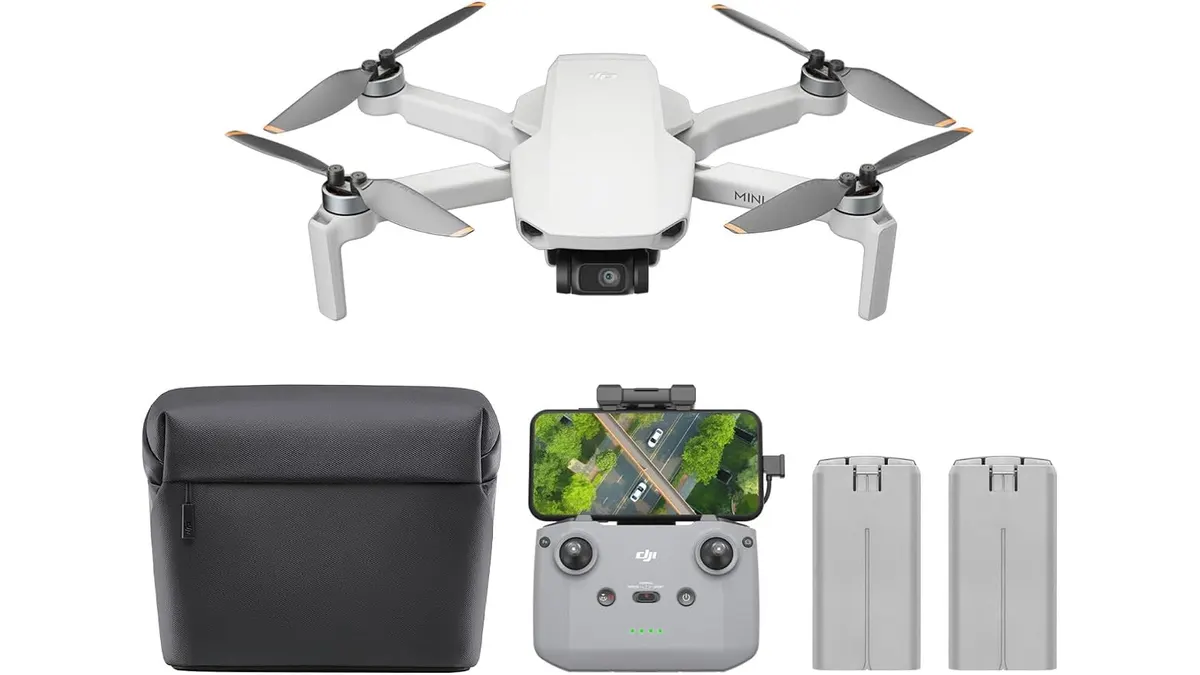
DJI Mini 4K Camera Drone Combo Review: Compact Performance
Read our expert DJI Mini 4K Camera Drone Combo review. We test its 4K video, 3-axis gimbal, 62-minute flight time, and 10 km transmission range.
 Drones
DJI Flip RC-N3 Review: A Capable Filmmaking Drone for Solo Shooters
I put the DJI Flip RC-N3 to the test. Is this sub-249g drone the right choice for your aerial kit? Read my honest take on its video quality and flight performance.
 Drones
DJI Mini 5 Pro Review: Compact Drone with Stunning 4K Video
Explore the capabilities of the DJI Mini 5 Pro, a compact drone that delivers 4K video and impressive features for creators on the go.