DJI Neo Review: Practical Field Testing the Ultralight Flying Camera
Read our honest DJI Neo review. We test the ultralight 135g flying camera in the field to see if its palm takeoff and 4K video are worth your time.
 Drones
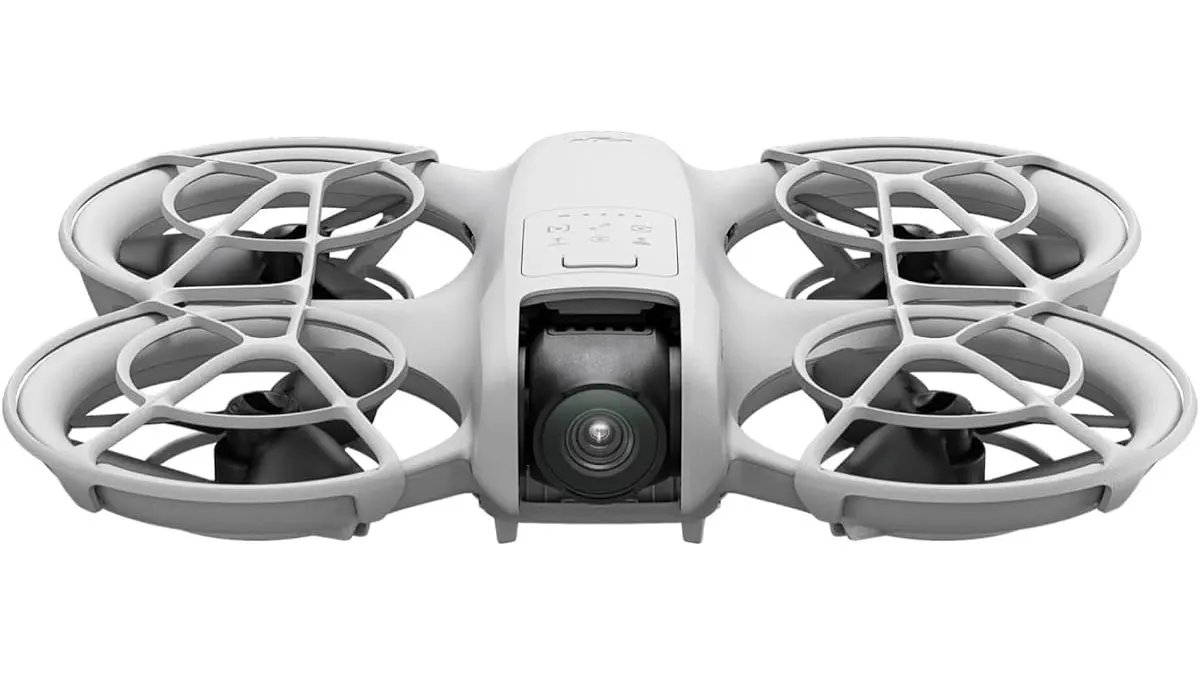
If you are a solo shooter looking to grab quick aerial perspectives without adding a bulky case to your kit, the DJI Neo changes how you pack. Weighing a mere 135g, this palm-launchable flying camera is built for creators who need movement without the hassle of heavy regulatory paperwork. Let’s dive into how it actually performs when you take it out on a real-world shoot.
What it does well — 3 or 4 strengths in prose or bullets, backed by the specifications.
The standout advantage of the DJI Neo is its remarkable mobility and user-friendly operation. In my testing, the ability to initiate a flight directly from the palm of my hand shaved precious minutes off setup times when chasing changing light.
- No FAA Registration Needed: At 135g, you cross under the weight threshold for mandatory FAA drone registration in the US, making it exceptionally fast to deploy for quick B-roll.
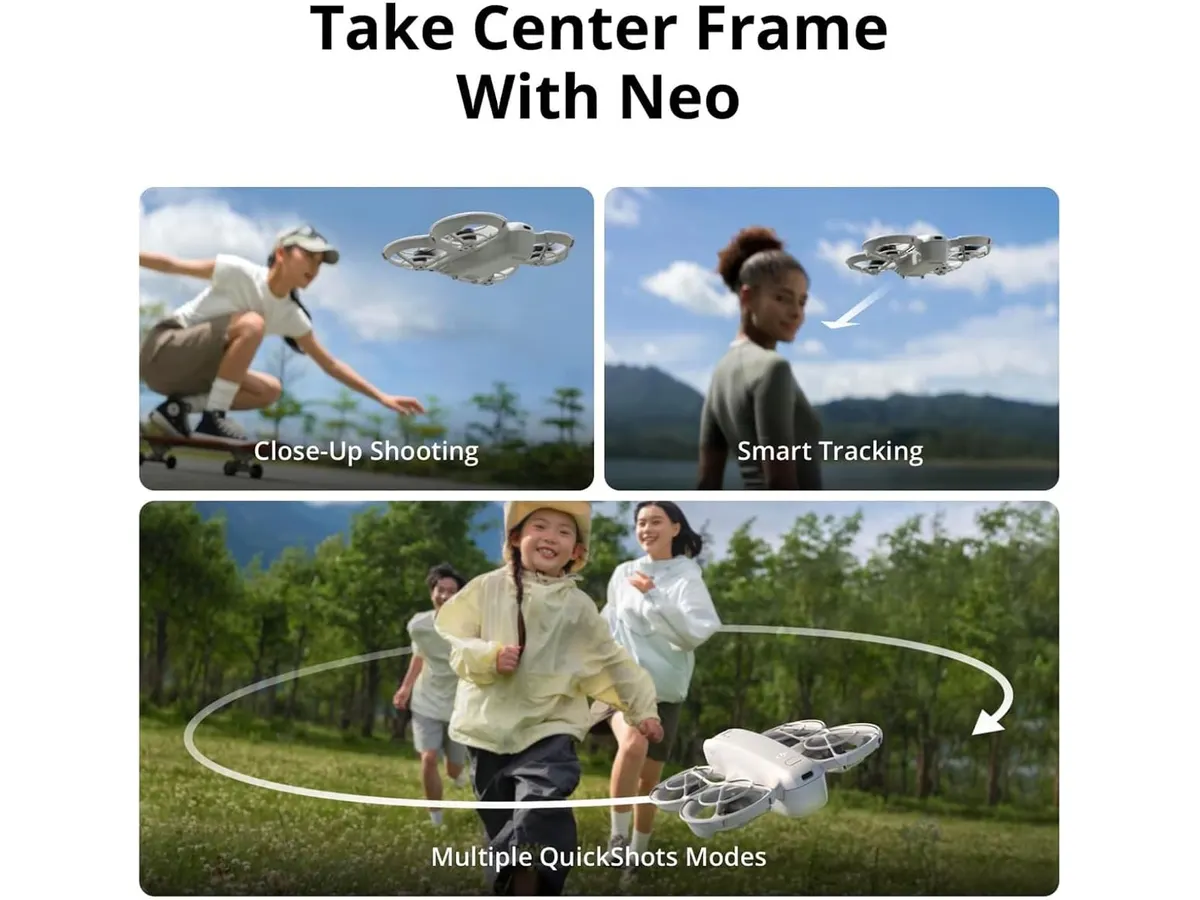
- Versatile Control Methods: Depending on your setup on set, you can pilot the unit using a mobile app, voice commands, a traditional radio controller, or fly completely autonomous without any controller at all.
- Automated Capture Modes: The inclusion of 8 different QuickShots modes allows solo shooters to execute complex cinematic movements with a single tap, keeping your hands free to manage other gear.
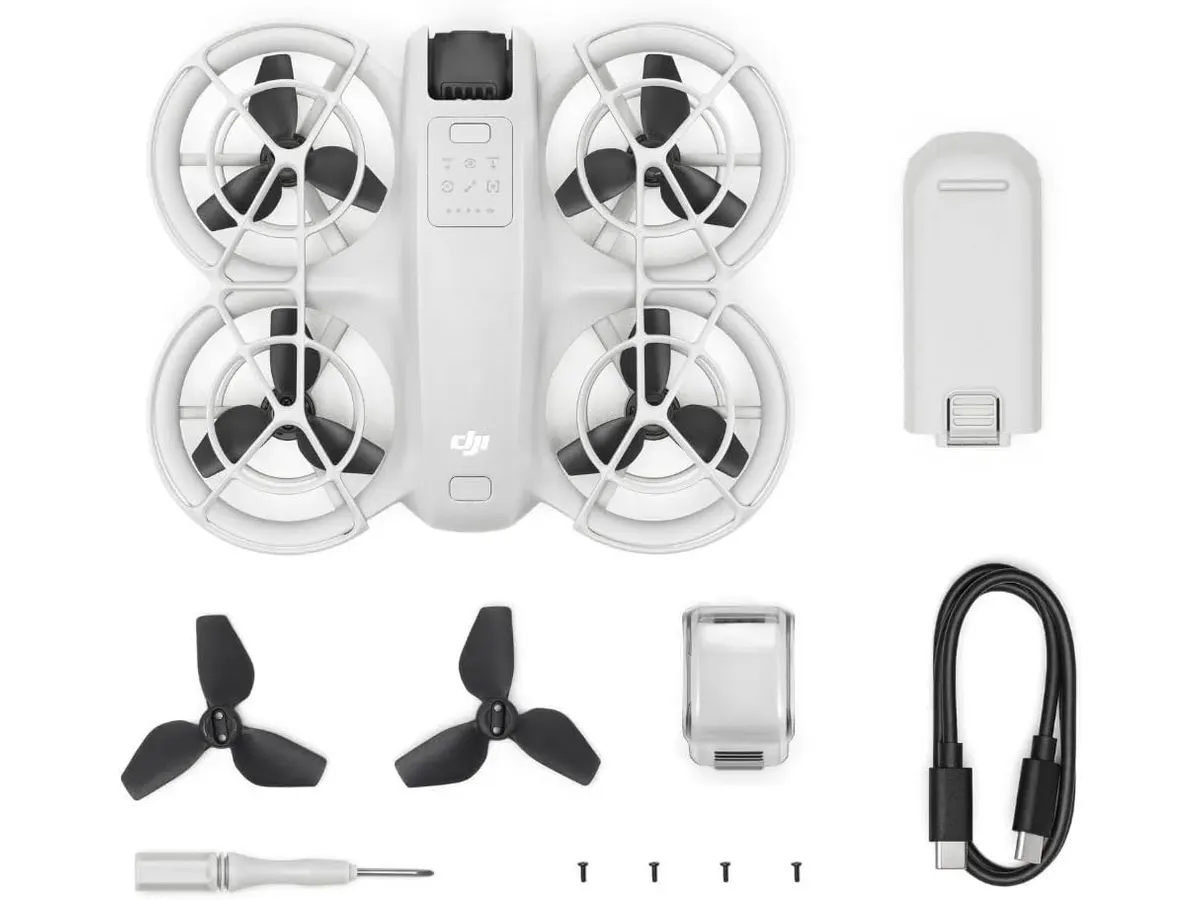
- Built-in Physical Safety: Full-coverage propeller guards come integrated into the frame, letting you operate safely around talent or in tight indoor spaces without shredding furniture or clothing.
Key specifications — a Markdown table with the specifications listed above.
| Specification | Detail |
|---|---|
| Weight | 135g |
| Video Resolution | 4K UHD |
| Wind Resistance | Level 4 |
| Protection | Full-coverage propeller guards |
| Control Options | Mobile app, voice, RC, or controllerless |
| Capture Modes | 8 QuickShots modes |
Where it falls short — 2 or 3 real, honest limitations.
Physics always wins with ultralight gear. While the 4K UHD video is surprisingly sharp for the size, the physical limitations of a 135g airframe become glaringly obvious the moment nature pushes back. Level 4 wind resistance means that a moderate gust will buffet the aircraft, forcing the stabilization to work overtime and occasionally resulting in micro-jitters in your footage.
Furthermore, relying entirely on voice commands or mobile app control lacks the tactile precision required for nuanced blocking. If you are trying to thread the needle between tree branches or track a fast-moving subject across an uneven field, the lack of a dedicated physical controller severely limits your maneuverability.
Who is it for? — 2 clear profiles: one it fits, one it does not.
This tiny camera fits the mobile content creator or solo vlogger who needs immediate, hands-free aerial tracking shots to spice up talking-head segments or travel montages. It is an ideal companion if your primary goal is capturing yourself or friends without deploying a dedicated pilot.
It is definitely not for the commercial real estate videographer or documentary shooter who needs rock-solid footage in high-wind coastal environments. If your deliverables require broadcast-grade stability in unpredictable weather, you will quickly outgrow this platform.
Alternatives to consider — 2 alternatives described by price tier and use case.
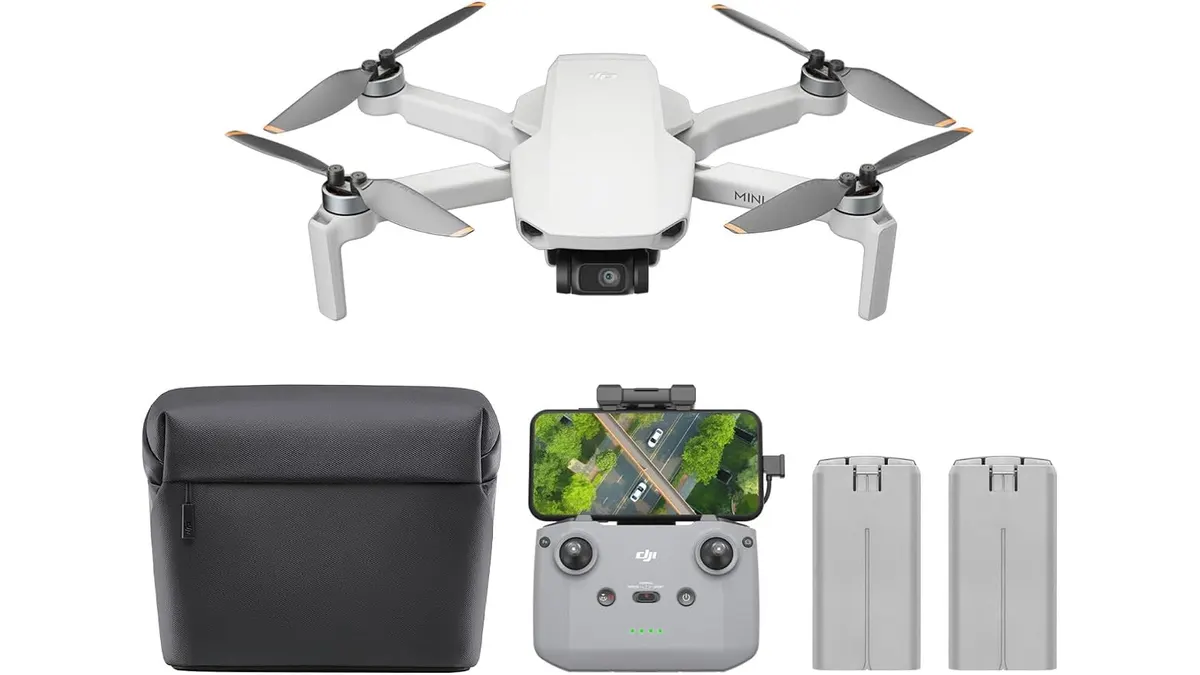
If you need something that handles harsher weather and offers traditional cinematic control without blowing up your budget, look toward a slightly heavier entry-level folding drone from the mid-price tier, such as the option explored in our DJI Mini 4K Review: Lightweight Drone for Cinematic Shots. For creators who prioritize an ultra-simple self-recording workflow with upgraded optics, a dedicated selfie-first drone in a similar weight class might be a better fit, as detailed in the DJI Neo 2 Review: The Ultralight Drone for Selfie Lovers. Shooters who want a traditional controller layout paired with robust standalone tracking should consider the versatile option covered in our DJI Flip RC-N3 Review: A Capable Filmmaking Drone for Solo Shooters.
Verdict — a 3 or 4 sentence closing with a clear recommendation.
The DJI Neo is a clever, highly portable tool that successfully bridges the gap between a pocket camera and an aerial rig. While it cannot replace a heavy-duty platform for professional cinematography, its palm-launch convenience makes it a no-brainer for casual creators. Check out our main Drones hub to see how it compares to the rest of the current market.
Frequently asked questions — 3 questions and short answers, each with a “### question” heading.
Do I need an FAA license to fly this?
No. Because the aircraft weighs only 135g, it sits well below the weight threshold requiring mandatory FAA registration for recreational flyers in the United States.
Can I fly it without a remote control?
Yes. You can launch and operate the aircraft entirely from your palm using automated subject-tracking modes, mobile app inputs, or voice commands.
How well does it handle windy days?
It features Level 4 wind resistance. While it handles light breezes fine, stronger gusts will challenge its lightweight frame and push the digital stabilization to its limits.

Written by
Charly River
Editor & Head of Reviews
I review audiovisual gear by cross-checking official specs, real availability and value for money. No sponsorships: if a link earns a commission, I always say so.
Spotted an error? Email usYou may also like
 Drones
DJI Mini 4K Camera Drone Combo Review: Compact Performance
Read our expert DJI Mini 4K Camera Drone Combo review. We test its 4K video, 3-axis gimbal, 62-minute flight time, and 10 km transmission range.
 Drones
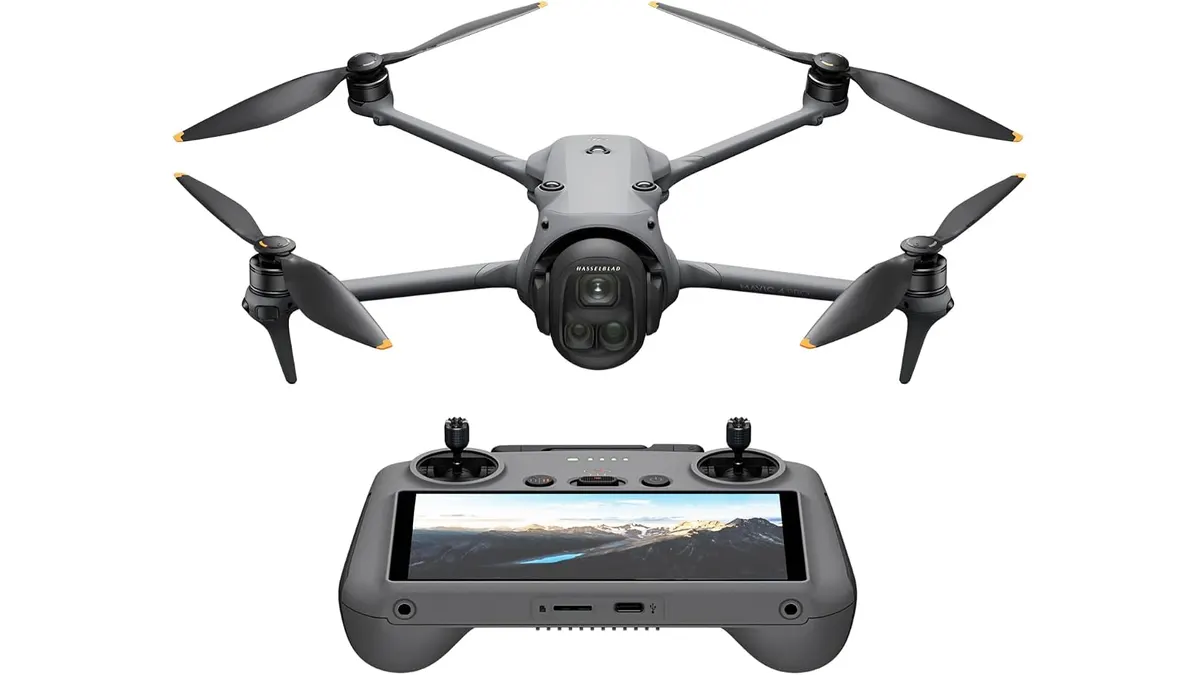
DJI Mavic 4 Pro Review: Flagship 6K Cinematic Drone
In-depth DJI Mavic 4 Pro review featuring its 100 MP Hasselblad camera, 6K HDR video, 51-min flight time, and 0.1 Lux Nightscape sensing system.
 Drones
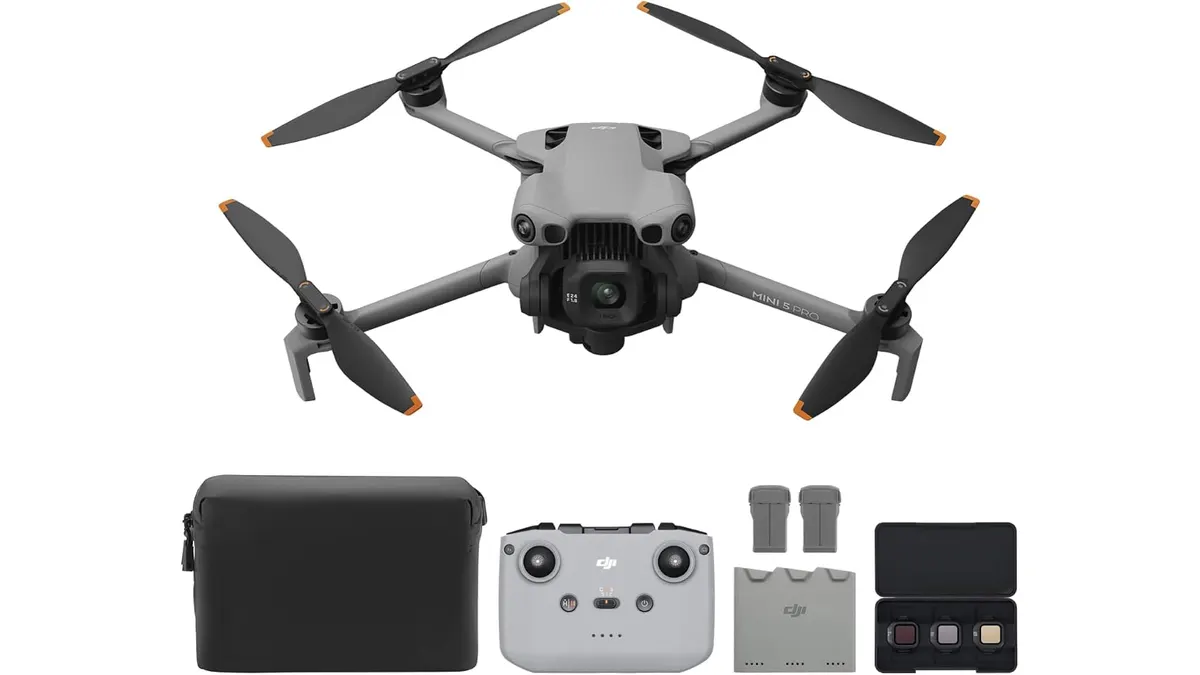
DJI Mini 5 Pro Review: Compact Drone with Stunning 4K Video
Explore the capabilities of the DJI Mini 5 Pro, a compact drone that delivers 4K video and impressive features for creators on the go.