Sony Alpha a7S III Review: High-End Cinema for Solo Creators
Is the Sony Alpha a7S III still the king of low-light video? We dive into the specs, trade-offs, and real-world performance for professional videographers.
 Mirrorless Cameras
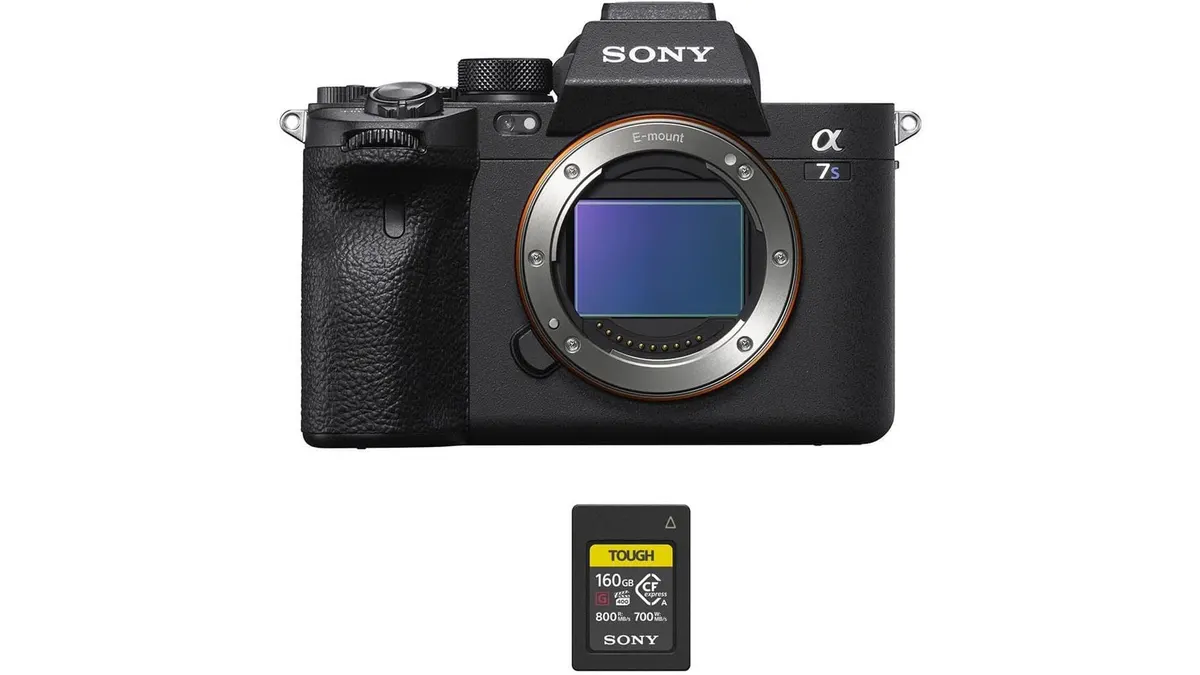
The Sony Alpha a7S III changed the landscape for independent filmmakers when it arrived, shifting the focus from high-resolution stills to uncompromising video reliability. If you make your living capturing low-light events, corporate interviews, or run-and-gun documentary footage, this camera remains a cornerstone of the professional market. Exploring the best gear in our catalog of Mirrorless Cameras often leads back to this specific tool for its sheer dependability.
What it does well
The primary strength of this body is its 12.1MP sensor. By keeping the pixel count relatively low, Sony has optimized the individual photosites for light collection, resulting in remarkably clean footage even when you are forced to push the ISO into the thousands on a dimly lit event stage. It is a workhorse that lets you stop worrying about sensor noise and focus on composition.
Beyond raw sensitivity, the processing power of the BIONZ XR engine allows for 4K recording at 120 frames per second. This is not just a gimmick; it provides buttery smooth slow-motion that maintains excellent detail. The integration of 10-bit 4:2:2 internal recording ensures you have the latitude to push colors in post-production, while S-Cinetone provides an incredibly natural starting point for skin tones that requires minimal grading.
Finally, the autofocus system is, in my experience, the best in the business for video. With 759 phase-detection points covering 92% of the frame, the camera tracks subjects with an tenacity that feels almost telepathic. Whether you are walking and talking with a subject or shooting gimbal work, the Fast Hybrid AF minimizes the need for manual focus pulls, even when using wide apertures.
Key specifications
| Feature | Specification |
|---|---|
| Sensor Resolution | 12.1 MP |
| Image Processor | BIONZ XR |
| Max Video Resolution | UHD 4K 120p |
| Color Sampling | 10-bit 4:2:2 |
| Autofocus System | Fast Hybrid AF (759 points) |
| Included Storage | 160GB CFexpress Card |
Where it falls short
While the video performance is stellar, the 12.1MP sensor is a significant limitation for photographers. If your workflow requires large-format printing or aggressive cropping during the editing phase, you will find yourself limited by the lack of resolution compared to a high-megapixel hybrid. You are essentially choosing a video camera that happens to take photos, rather than a true jack-of-all-trades.
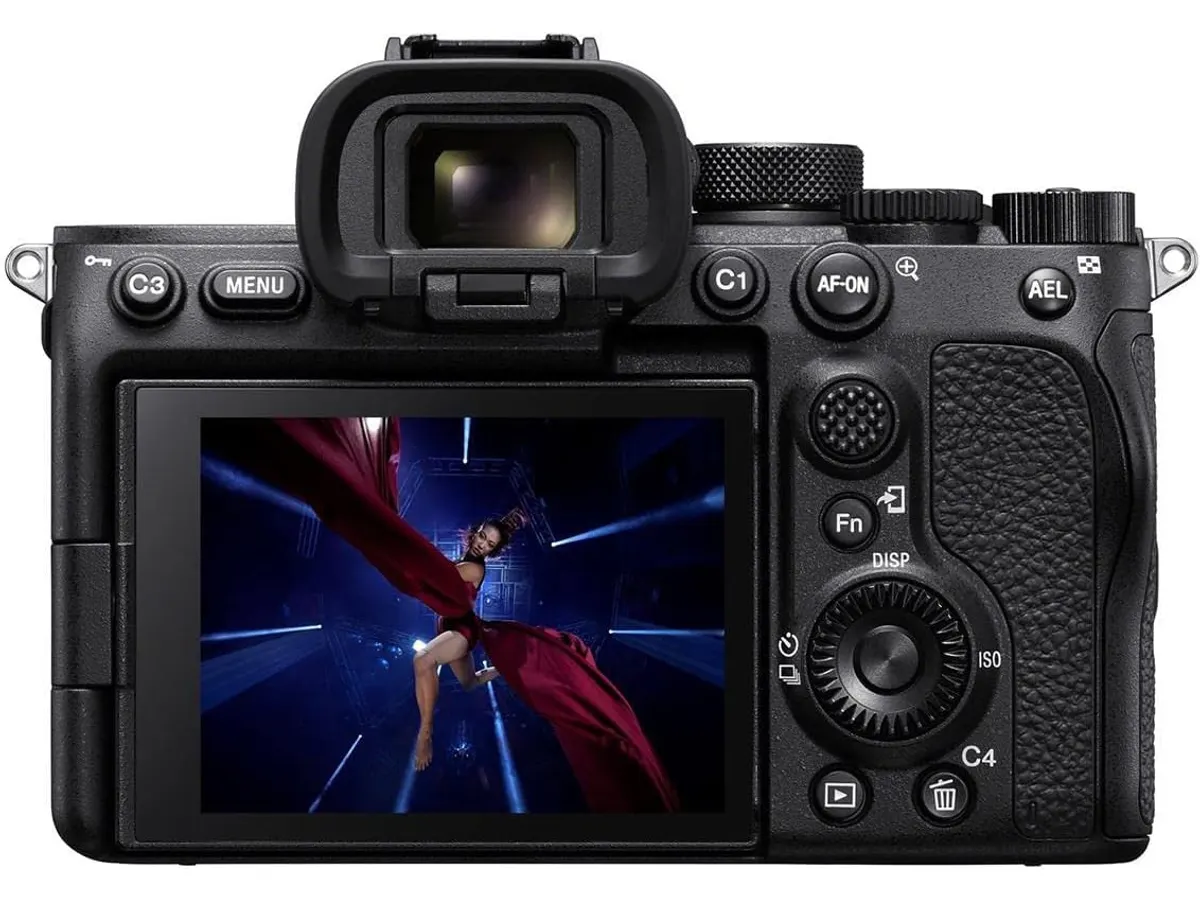
Additionally, the menu system, while improved over previous generations, still presents a learning curve. For a shooter jumping between different brands, the logic of the Sony interface can feel cluttered and unintuitive during high-pressure situations. You really need to spend time customizing your function menus before you ever step onto a set.
Who is it for?
The Sony Alpha a7S III is perfect for the dedicated video professional who prioritizes low-light performance and slow-motion capabilities over high-resolution still photography. If your bread and butter is shooting wedding highlight reels, high-end corporate testimonials, or web-based commercial content, this camera will likely be the most reliable tool in your bag.
However, it is not for the hybrid shooter who needs to deliver massive raw files for editorial photography alongside their video work. If you frequently find yourself shooting event photography where cropping is necessary to salvage a shot, the lower resolution will feel restrictive. For those users, I would point toward the Sony Alpha a7 IV Review: The Ultimate Hybrid Workhorse as a more balanced option.
Alternatives to consider
If you need a more versatile hybrid that balances video capabilities with higher-resolution photography, look at the mid-tier options currently dominating the market. These cameras offer higher sensor resolutions at a more accessible entry point, though they may lack the extreme low-light sensitivity found here. If you prefer a different color science and a more robust internal cooling system for cinema-style shoots, there are options in the professional video tier that provide open-gate recording and deeper bit-depths at a premium price point.
For a more budget-friendly, compact alternative, consider the Sony Alpha a6400 Review: Compact Power for Solo Creators. For an alternative that bridges the gap between photography and high-end video, the Panasonic LUMIX S5 II Review: A Versatile Mirrorless Camera offers excellent stabilization and professional video tools that rival what we see here.
Verdict
The Sony Alpha a7S III is a specialized instrument designed for those who live and breathe video. It removes the technical friction of low-light shooting and high-frame-rate capture, allowing you to focus on storytelling rather than troubleshooting. If your priority is cinematic quality for professional delivery, this remains an elite choice that justifies the investment.
Can I use this for professional photography?
You can, but 12.1MP is limiting. It is perfectly fine for social media or small web galleries, but it is not built for high-end studio work or large-format prints where detail retrieval is paramount.
Is the cooling system reliable for long shoots?
Yes. The body is designed with a highly efficient heat dissipation structure that allows for extended 4K recording sessions without the sudden shutdowns that plagued earlier mirrorless models.
Does the camera work well with manual lenses?
It does. Sony provides excellent focus peaking and magnification tools that make manual focusing precise and quick, even when you are working on a tight schedule.

Written by
Charly River
Editor & Head of Reviews
I review audiovisual gear by cross-checking official specs, real availability and value for money. No sponsorships: if a link earns a commission, I always say so.
Spotted an error? Email usYou may also like
 Mirrorless Cameras
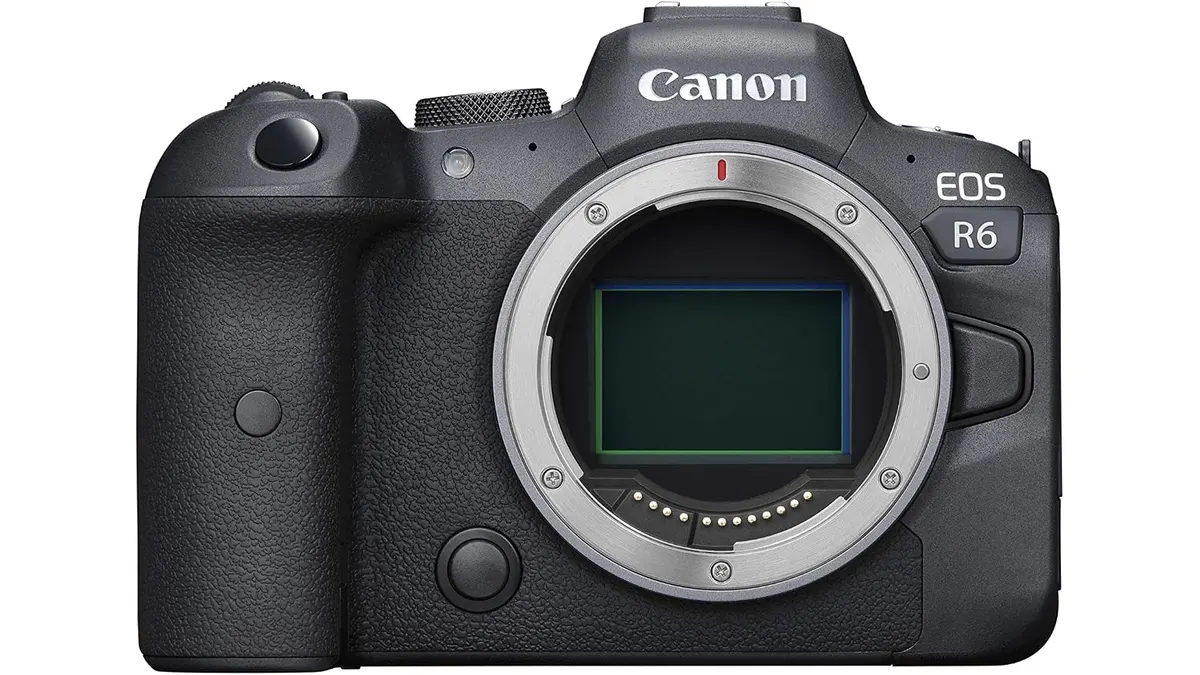
Canon EOS R6 Review: A Full-Frame Hybrid Performance Workhorse
We tested the Canon EOS R6 to see if its 20MP sensor and DIGIC X processor hold up for professional video and stills. Read our honest take on this hybrid.
 Mirrorless Cameras
Canon EOS R50 V Review: A Dedicated Tool for Solo Creators
We put the Canon EOS R50 V to the test. Discover if this specialized mirrorless camera is the right fit for your vlogging setup or your next content project.
 Mirrorless Cameras
Sony Alpha a6400 Review: Compact Power for Solo Creators
We put the Sony Alpha a6400 to the test. Is this compact powerhouse the right fit for your vlogging or photography needs? Read our honest assessment.