Canon EOS R6 Review: A Full-Frame Hybrid Performance Workhorse
We tested the Canon EOS R6 to see if its 20MP sensor and DIGIC X processor hold up for professional video and stills. Read our honest take on this hybrid.
 Mirrorless Cameras
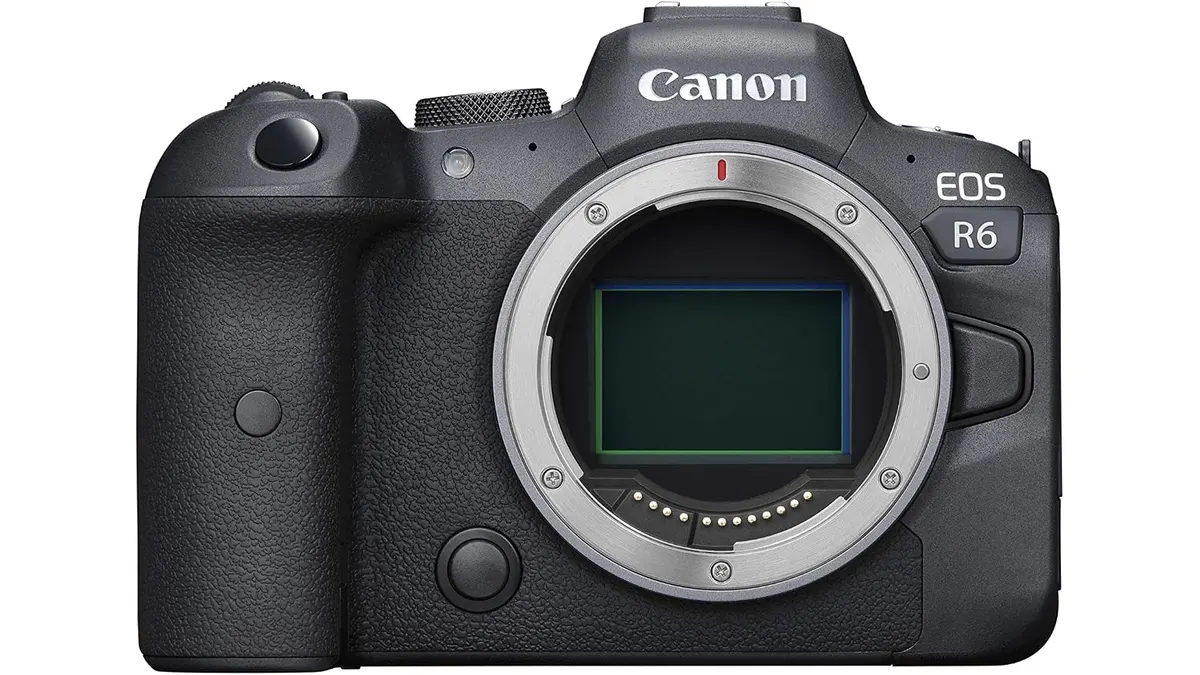
The Canon EOS R6 is a familiar sight on professional sets and in the hands of event photographers alike. As a hybrid powerhouse, it aims to strike a balance between high-speed stills and capable 4K video. If you are browsing our selection of Mirrorless Cameras to find a reliable daily driver, this body warrants a serious look for its specific blend of speed and autofocus reliability.
What it does well
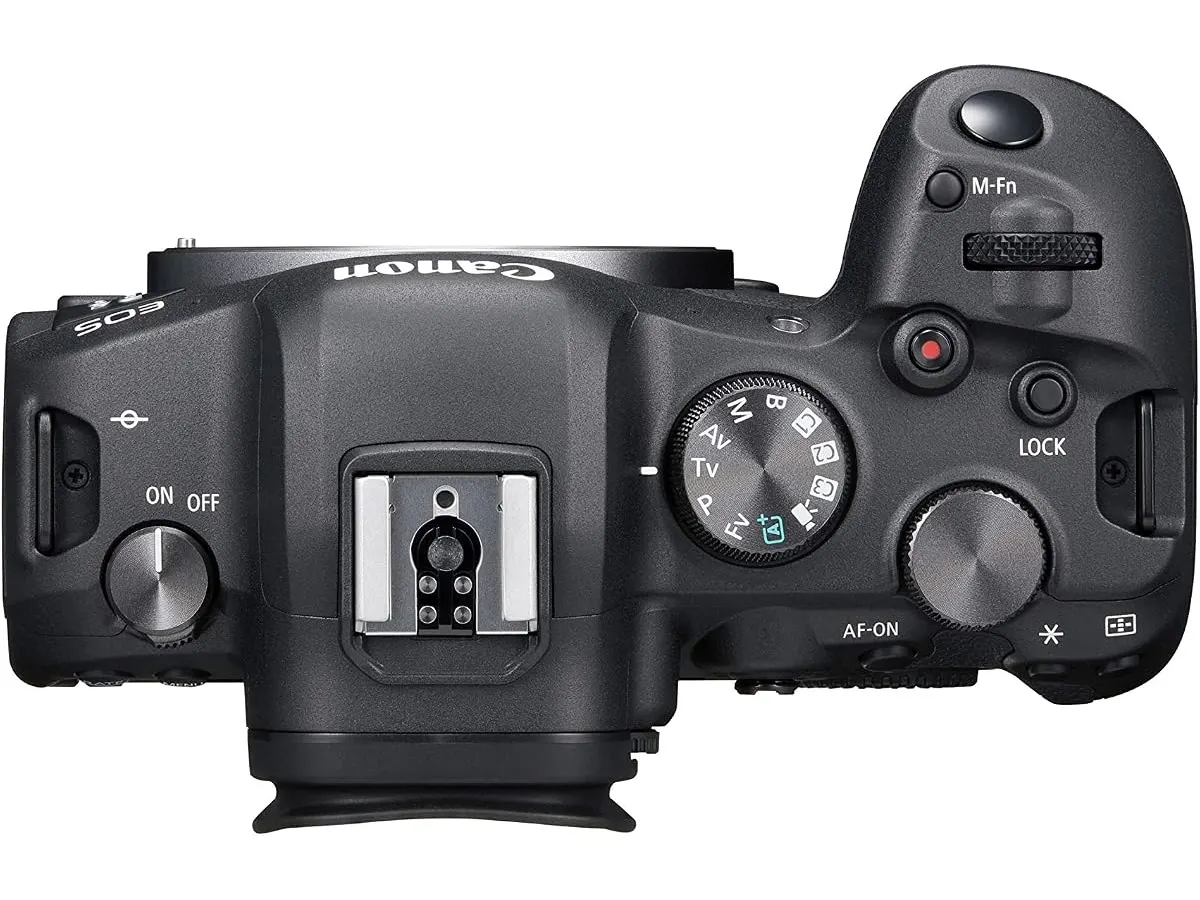
The standout feature of the Canon EOS R6 is undoubtedly its Dual Pixel CMOS AF system. With 1,053 zones covering virtually the entire frame, I found the tracking performance using deep learning to be remarkably sticky. Whether I was shooting erratic movement at a wedding reception or tracking a subject during a sit-down interview, the camera rarely lost focus. The implementation of animal and human eye detection is class-leading, making it a dream for those who need to nail focus without constant micro-adjustments.
Beyond the autofocus, the speed of this unit is impressive. The ability to push 12 frames per second mechanically and up to 20 frames per second electronically makes it a viable candidate for sports and wildlife work. When paired with the DIGIC X processor, the sensor handles low-light scenarios with composure. I have pulled clean, usable footage at ISO 6400 during dimly lit corporate events, which speaks to the efficiency of that full-frame CMOS sensor.
Key specifications
| Feature | Specification |
|---|---|
| Sensor | 20 Megapíxeles Full-frame CMOS |
| Processor | DIGIC X |
| ISO Range | 100-102400 (expandable to 204800) |
| Burst Speed | 12 fps mechanical / 20 fps electronic |
| Autofocus | Dual pixel CMOS AF (1,053 areas) |
| Video Resolution | 4K UHD 2160p |
Where it falls short
The 20-megapixel resolution is the primary point of contention. While it is plenty for most web output and standard print jobs, it offers very little room for aggressive cropping. If your workflow involves heavy reframing in post-production, you will feel the constraints of this sensor compared to higher-resolution alternatives. Additionally, the camera can heat up during extended high-resolution video recording, which is a consideration for documentary filmmakers who need to run long takes in hot environments.
Who is it for?
This camera is perfect for the event photographer or the hybrid shooter who prioritizes autofocus reliability and high-speed burst rates over raw resolution. If you need a camera that simply does not miss a focus lock, this is your tool. Conversely, this is not the right choice for landscape or commercial studio photographers who require massive resolution for large-format printing or detailed retouching where cropping is a necessity.
Alternatives to consider
If you need a more resolution-heavy sensor for commercial studio work, you should look at high-resolution options in the premium price tier. These offer deeper crop potential without sacrificing build quality. For those primarily focused on video-first workflows who want a more robust internal recording feature set, there are alternatives in the mid-range price tier that offer specialized video codecs and improved thermal management, as seen in the Panasonic LUMIX S5 II Review: A Versatile Mirrorless Camera or the Sony Alpha a7 IV Review: The Ultimate Hybrid Workhorse.
Verdict
The Canon EOS R6 is a highly capable, dependable tool that handles real-world pressure with ease. While it lacks the sheer pixel count of some competitors, its speed and focus performance make it a top contender in our Mirrorless Cameras category. If you can live with 20 megapixels, the user experience and reliability are hard to beat.
Frequently asked questions
Is the 20MP sensor enough for professional work?
Yes, for most editorial, wedding, and social media content, 20MP is sufficient. It only becomes a limitation if you need to print oversized billboards or perform significant crops.
How does the battery life perform in the field?
In typical run-and-gun shooting, the battery life is solid, though you should always carry a spare if you are shooting heavy 4K video or high-speed bursts all day.
Is this camera good for a beginner?
While it is user-friendly, its professional-grade autofocus and speed might be more than a casual user needs. It is best suited for an intermediate or pro-level shooter who understands how to leverage its specific strengths.

Written by
Charly River
Editor & Head of Reviews
I review audiovisual gear by cross-checking official specs, real availability and value for money. No sponsorships: if a link earns a commission, I always say so.
Spotted an error? Email usYou may also like
 Mirrorless Cameras
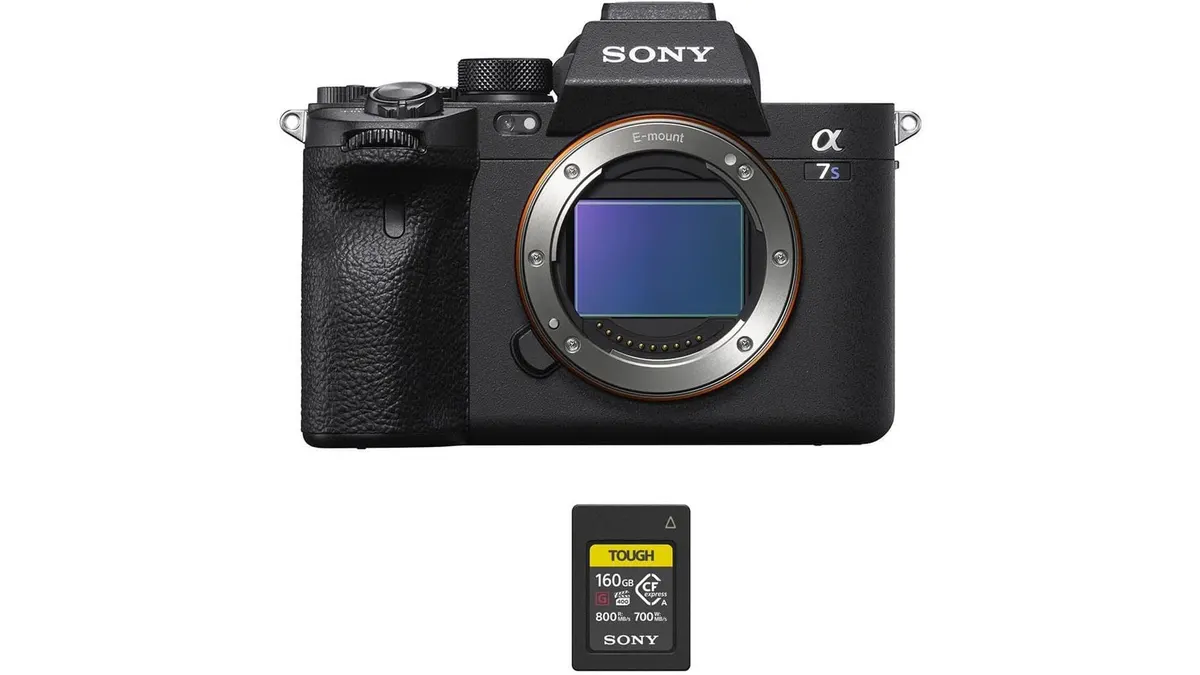
Sony Alpha a7S III Review: High-End Cinema for Solo Creators
Is the Sony Alpha a7S III still the king of low-light video? We dive into the specs, trade-offs, and real-world performance for professional videographers.
 Mirrorless Cameras
Canon EOS R50 V Review: A Dedicated Tool for Solo Creators
We put the Canon EOS R50 V to the test. Discover if this specialized mirrorless camera is the right fit for your vlogging setup or your next content project.
 Mirrorless Cameras
Sony Alpha a6400 Review: Compact Power for Solo Creators
We put the Sony Alpha a6400 to the test. Is this compact powerhouse the right fit for your vlogging or photography needs? Read our honest assessment.