Sony Alpha a6400 Review: Compact Power for Solo Creators
We put the Sony Alpha a6400 to the test. Is this compact powerhouse the right fit for your vlogging or photography needs? Read our honest assessment.
 Mirrorless Cameras
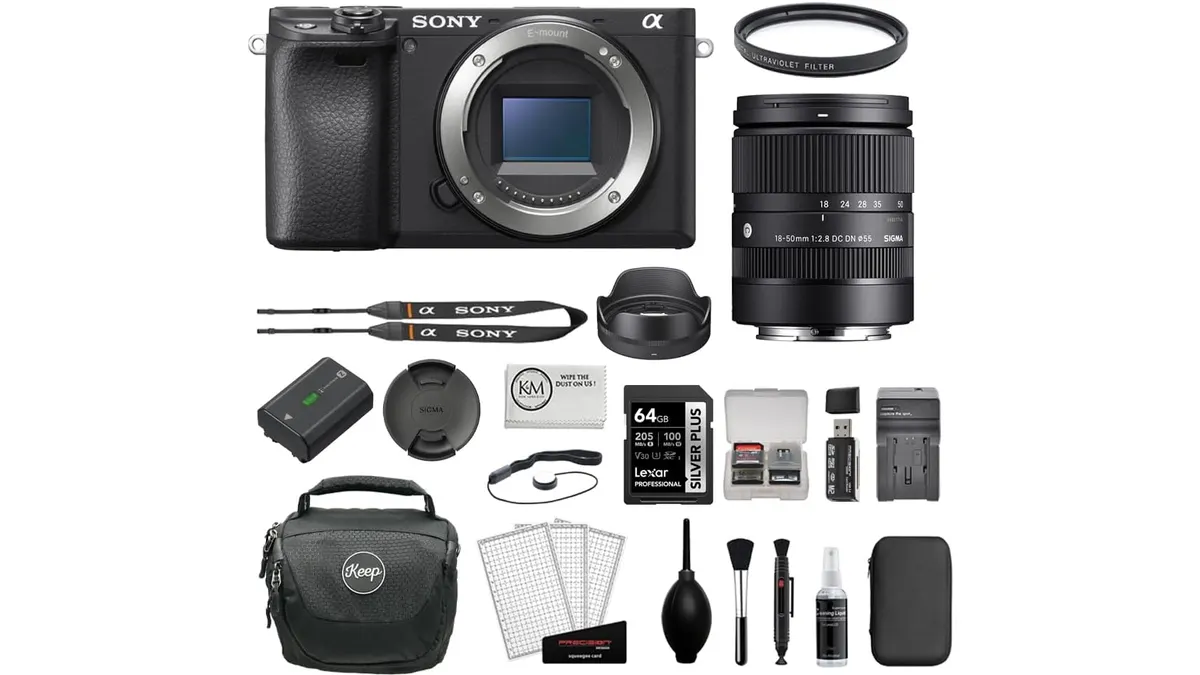
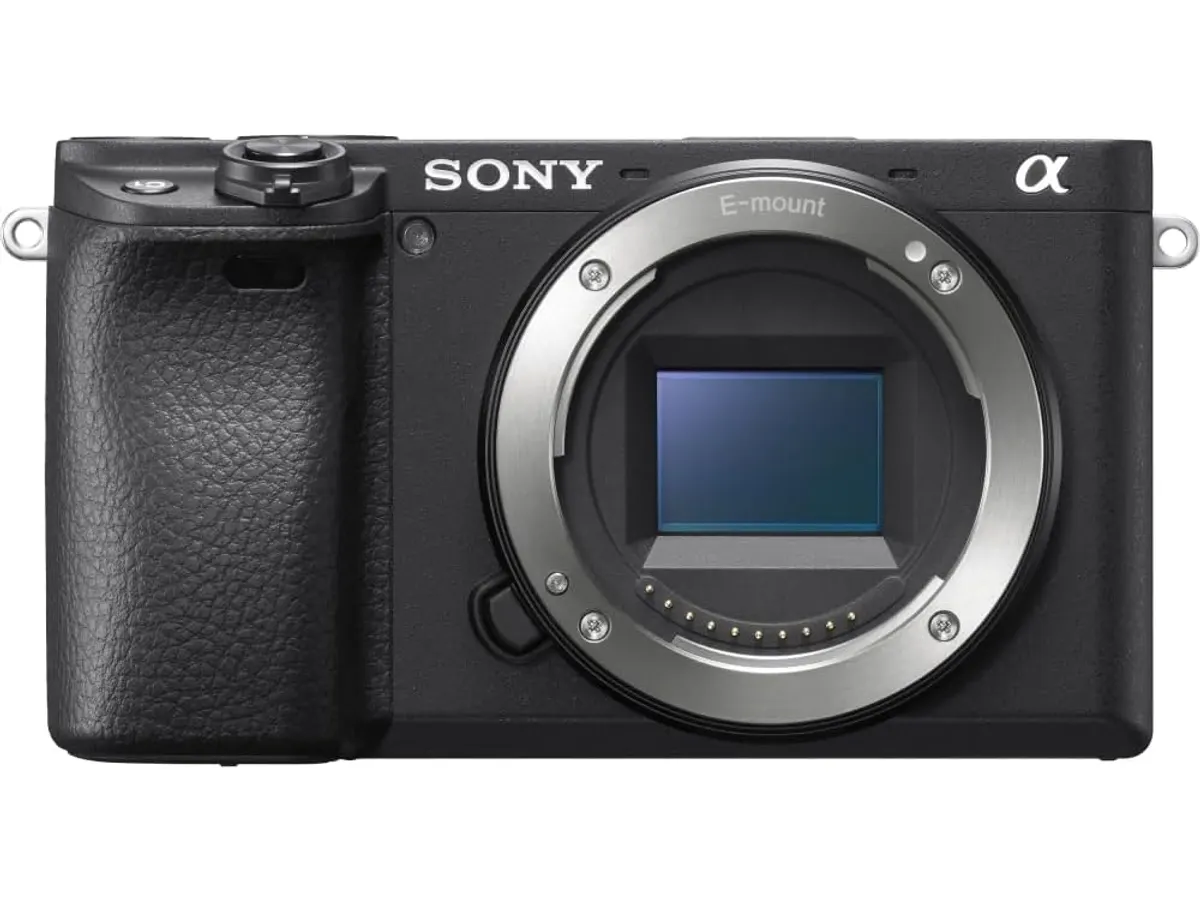
If you have spent any time looking for a reliable, compact body that does not compromise on autofocus speed, you have likely come across the Sony Alpha a6400. It remains a staple in the world of Mirrorless Cameras because it prioritizes the features that actually keep a shoot on track. I have taken this setup into cramped event spaces and onto busy sidewalks, and it is a workhorse that consistently punches above its weight class.
What it does well
The standout feature here is undoubtedly the autofocus. With 425 phase and contrast detection points and an acquisition speed of 0.02 seconds, it is remarkably snappy. During my testing, the real-time object tracking locked onto subjects instantly, even when they were moving erratically through the frame. It removes the guesswork from run-and-gun shooting.
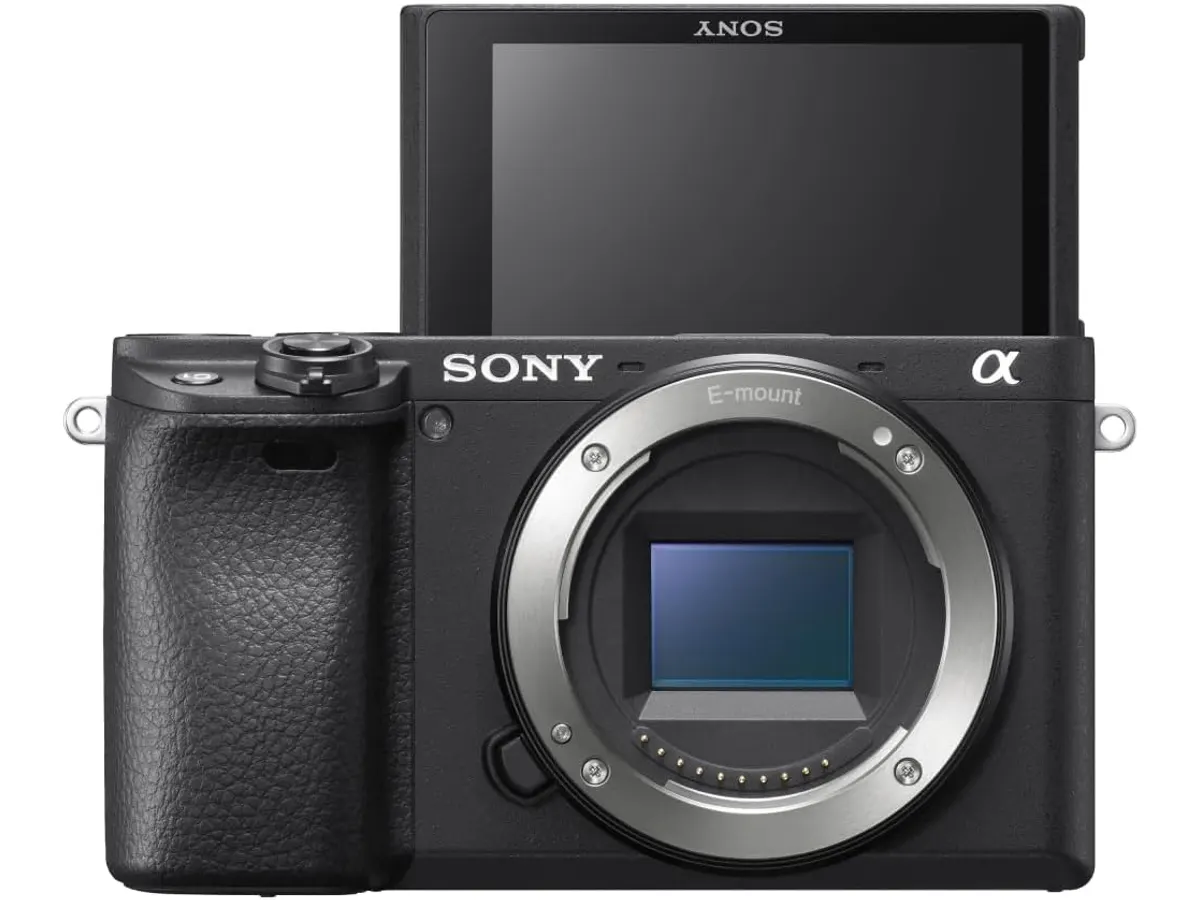
Pairing this body with the Sigma 18-50mm f/2.8 DC DN lens is a smart move. It provides a versatile focal range that covers everything from wide-angle street shots to tighter portraits, all while maintaining a constant aperture. For content creators, the tilting LCD screen is a lifesaver for framing solo shots, and the ability to shoot quick and slow-motion video directly in-camera is a massive time-saver for anyone who hates spending hours in post-production.
Key specifications
| Feature | Specification |
|---|---|
| Resolution | 24.2 megapixels |
| AF Speed | 0.02 seconds |
| AF Points | 425 phase/contrast detection |
| Burst Rate | Up to 11 fps |
| Lens Included | Sigma 18-50mm f/2.8 DC DN |
| Screen | Tilting LCD |
Where it falls short
While the performance is impressive, the small form factor comes with ergonomic trade-offs. The body is quite compact, which is great for travel, but users with larger hands may find the grip uncomfortable during long, handheld sessions. I noticed that after about an hour of continuous gimbal work, my hand felt fatigued compared to using a larger, more sculpted body.
Additionally, the menu system can feel dense and slightly dated compared to the latest generation of hardware. If you are someone who likes to dive into deep custom button mapping, the interface might feel a bit sluggish. Finally, while the image quality is crisp, it lacks the full-frame depth found in advanced options like those discussed in our Sony Alpha a7 IV Review: The Ultimate Hybrid Workhorse, so you have to be mindful of your lighting conditions to avoid noise in the shadows.
Who is it for?
This camera is perfect for the vlogger or solo creator who needs a reliable, “always-ready” rig that fits into a small daypack. If you are documenting travel, creating social content, or need a secondary camera for a small production crew, the speed and portability are unmatched.
Conversely, this is not the right choice for the professional studio photographer or high-end videographer who needs top-tier low-light performance and advanced video codecs. If you are shooting cinematic projects in dimly lit environments, you might find the image quality limitations frustrating and should look into a full-frame sensor instead, perhaps checking out the Panasonic LUMIX S5 II Review: A Versatile Mirrorless Camera for comparison.
Alternatives to consider
If you find the a6400 too small or lacking in specific video tools, consider an entry-level full-frame body. These will be heavier and larger, but they provide a significant jump in dynamic range and low-light capability for those moving into higher-end commercial work.
Alternatively, if you are strictly a content creator, there are budget-friendly APS-C bodies that offer a more streamlined, vlogging-first interface with simplified menus and improved audio inputs. These options sacrifice some of the complex focusing modes found here for better ease-of-use in social media workflows.
Verdict
The Sony Alpha a6400 is an incredibly capable tool that prioritizes performance where it counts: speed and accuracy. It is a fantastic entry point for creators who value portability without sacrificing professional AF capabilities. If you can live with the compact ergonomics, it is a solid investment for your creative kit.
Frequently asked questions
Is this camera suitable for professional video work?
It is excellent for YouTube, social media content, and secondary angles, but it lacks some of the advanced professional video features like 10-bit internal recording found in larger, more expensive bodies.
Can I use this for portrait photography?
Absolutely. The 24.2-megapixel sensor is more than enough for high-quality portraits, and the real-time object tracking ensures your subject’s eyes remain in focus during the shoot.
Does the included lens cover most needs?
The 18-50mm range is a true workhorse. It is perfect for 90% of situations, covering standard wide-angle through short telephoto focal lengths with a fast aperture.

Written by
Charly River
Editor & Head of Reviews
I review audiovisual gear by cross-checking official specs, real availability and value for money. No sponsorships: if a link earns a commission, I always say so.
Spotted an error? Email usYou may also like
 Mirrorless Cameras
Canon EOS R50 V Review: A Dedicated Tool for Solo Creators
We put the Canon EOS R50 V to the test. Discover if this specialized mirrorless camera is the right fit for your vlogging setup or your next content project.
 Mirrorless Cameras
Sony Alpha a7S III Review: High-End Cinema for Solo Creators
Is the Sony Alpha a7S III still the king of low-light video? We dive into the specs, trade-offs, and real-world performance for professional videographers.
 Mirrorless Cameras
Canon EOS R6 Review: A Full-Frame Hybrid Performance Workhorse
We tested the Canon EOS R6 to see if its 20MP sensor and DIGIC X processor hold up for professional video and stills. Read our honest take on this hybrid.