Shure SM7B Review: Legendary Vocal Clarity for Studio Audio
Read our expert Shure SM7B review. Discover how this dynamic XLR microphone isolates vocals, blocks electromagnetic noise, and elevates studio recordings.
 Microphones
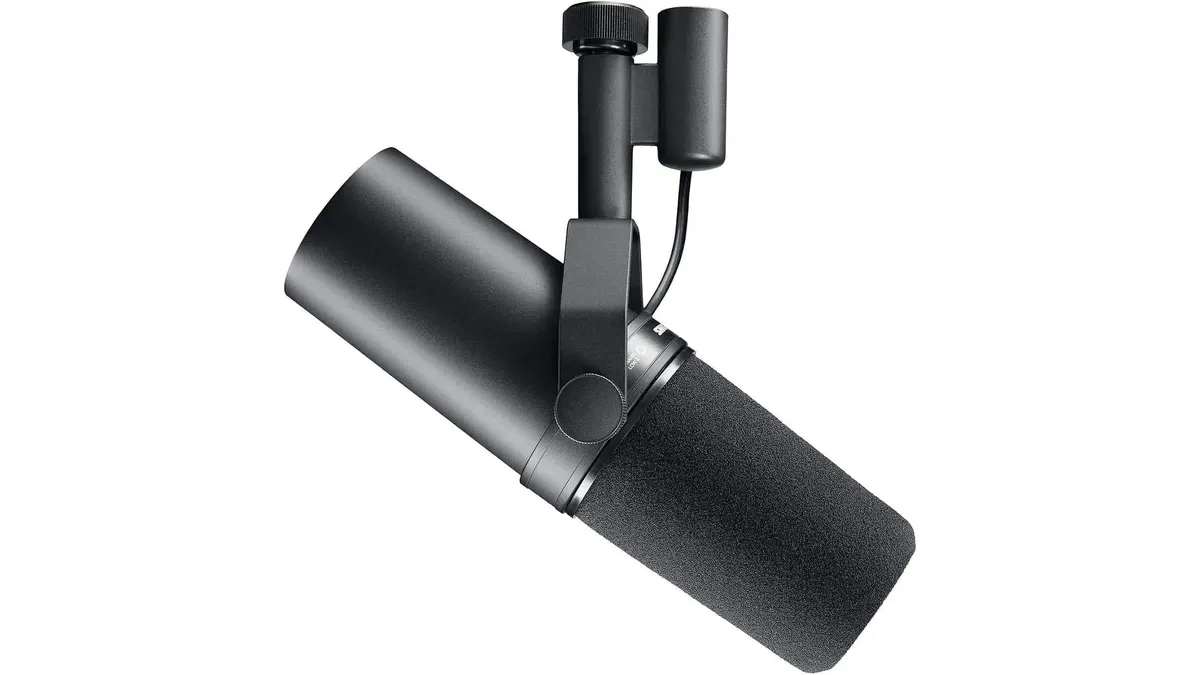
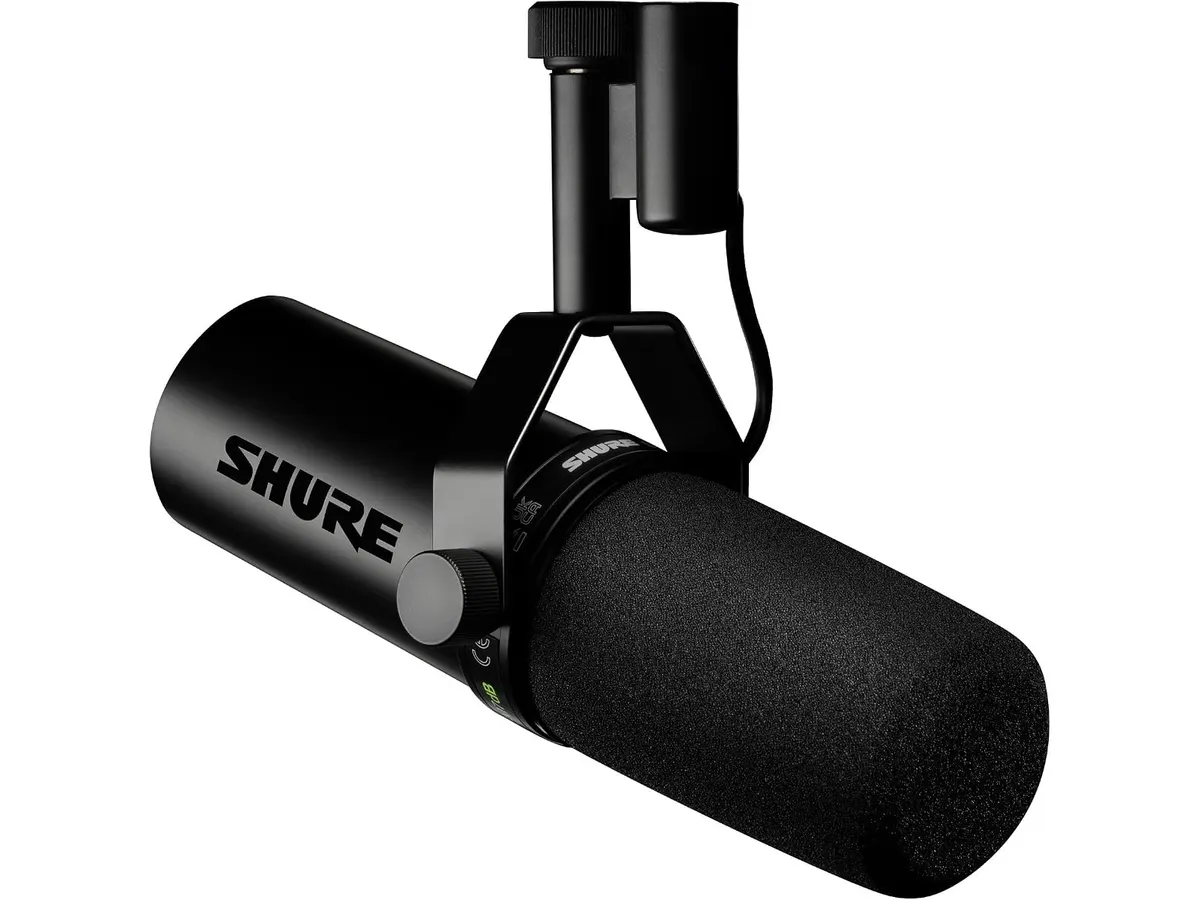
When you step into a broadcast suite, voiceover booth, or dedicated podcast studio, there is one constant piece of hardware on the boom arm. In this hands-on Shure SM7B review, we evaluate why this staple among professional Microphones continues to set the benchmark for spoken-word audio. Its capacity to capture warm, balanced vocals while rejecting room echoes makes it a formidable tool, provided your studio setup is built to handle it.
What it does well
- Rich, natural vocal reproduction: The internal dynamic capsule is tuned specifically to capture warm, balanced vocals with incredible clarity, ensuring spoken word and sung passages sound authoritative without sounding boomy.
- Exceptional background noise rejection: Thanks to its tight cardioid polar pattern, off-axis room reflections, HVAC hum, and surrounding studio bleed are effectively minimized, allowing clean audio capture even in acoustically challenging spaces.
- Built-in pop protection: With its integrated pop filter working alongside an included detachable windscreen, this microphone effectively controls harsh plosives and breath noise during close-mic technique sessions.
- Electromagnetic shielding: The internal housing is specially shielded to combat electromagnetic interference generated by computer monitors, neon signs, and studio power supplies, keeping your signal path dead quiet.
- Vibration isolation: An internal air suspension shock isolation design decouples the capsule from the outer cage, preventing desktop bumps and arm adjustments from translating into low-end thumps.
Key specifications
| Feature | Specification |
|---|---|
| Microphone Type | Dynamic |
| Polar Pattern | Cardioid |
| Connectivity | XLR |
| Pop Protection | Integrated pop filter & detachable windscreen |
| Isolation System | Air suspension shock isolation |
| Build Construction | Heavy-duty metal |
Where it falls short
- Requires dedicated studio infrastructure: The direct XLR connectivity means you cannot simply plug this microphone into a USB port on a laptop. You need a dedicated audio interface or mixer to route signal into your editing software.
- Demands substantial clean gain: Because it is a traditional dynamic capsule designed for broadcast levels, lower-end audio interfaces may struggle to drive enough gain without introducing system hiss into your recording.
- Significant weight and footprint: The heavy-duty metal construction gives this unit substantial mass. Standard desktop mic mounts will drift downward under its weight, requiring a reinforced studio boom arm.
Who is it for?
- The Studio Voiceover & Broadcast Pro: If you record podcasts, audiobooks, or voiceover commentary in an environment that isn’t fully soundproofed, the tight directional isolation and warm vocal profile deliver radio-ready results reliably.
- The Mobile Content Creator: If your workflow relies on fast run-and-gun reporting, field interviews, or lightweight laptop rigs, this heavy XLR microphone is too bulky and requires too much support hardware for on-the-go shooting.

Alternatives to consider
- Budget-tier Hybrid USB/XLR Dynamic Microphones: For creators who want dynamic room rejection but lack an existing audio interface, lower-priced dynamic models with dual USB and XLR connections offer plug-and-play convenience today with an upgrade path for tomorrow.
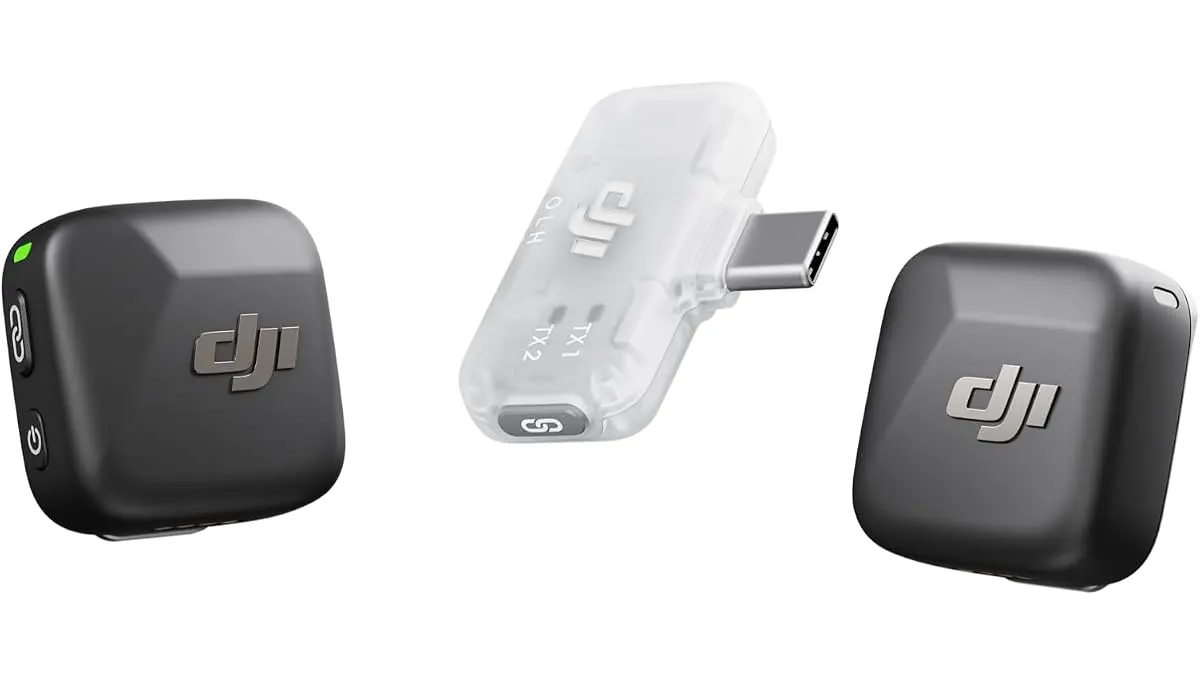
- Compact Wireless Lavalier Systems: If your video work requires total freedom of movement, rapid clip-on setup, or discrete audio capture on location, a portable wireless setup is far superior to a desk-bound microphone. You can read our comprehensive DJI Mic 3 Review or explore our DJI Mic Mini Review to see how lightweight wireless transmitters fit into modern production workflows.
Verdict
The Shure SM7B remains an absolute standard for a reason, offering legendary vocal character, superb pop control, and mechanical immunity to desktop bumps. While its heavy metal construction and high gain requirements demand proper studio hardware, the audio fidelity speaks for itself. For serious creators invested in a stationary studio environment, this entry among legacy Shure Microphones is one of the safest long-term audio investments you can make.
Frequently asked questions
Does the Shure SM7B require an audio interface?
Yes, it features standard XLR connectivity and requires an audio interface, external preamp, or dedicated audio recorder with XLR inputs to operate.
How does the microphone handle plosive sounds during close talking?
The unit combines an integrated internal pop filter with an included detachable windscreen to catch plosives and breath sounds without requiring a separate pop screen mounted on your boom arm.
Will this microphone reject computer fan noise and room echo?
Yes, its tight cardioid pickup pattern naturally suppresses off-axis audio coming from behind and beside the capsule, making it exceptionally effective in untreated room environments.

Written by
Charly River
Editor & Head of Reviews
I review audiovisual gear by cross-checking official specs, real availability and value for money. No sponsorships: if a link earns a commission, I always say so.
Spotted an error? Email usYou may also like
 Microphones
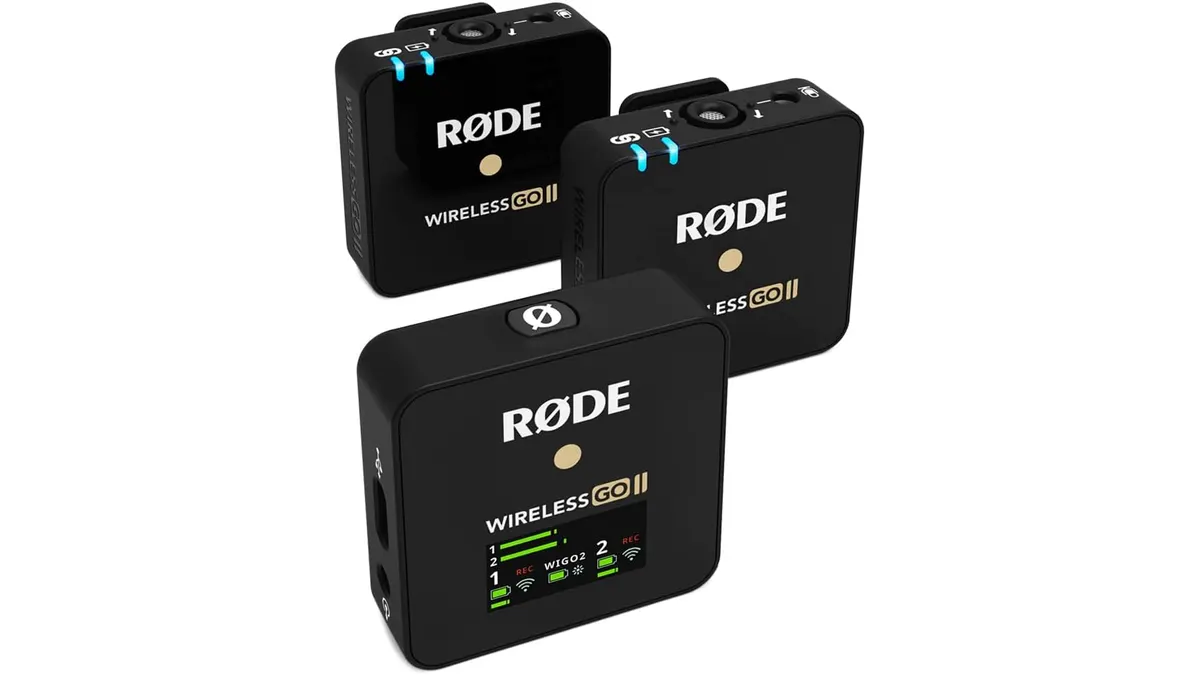
RØDE Wireless GO II Review: A Versatile Audio Tool for Creators
Looking for reliable audio? Our RØDE Wireless GO II review breaks down the dual-channel performance, internal recording capabilities, and real-world drawbacks.
 Microphones
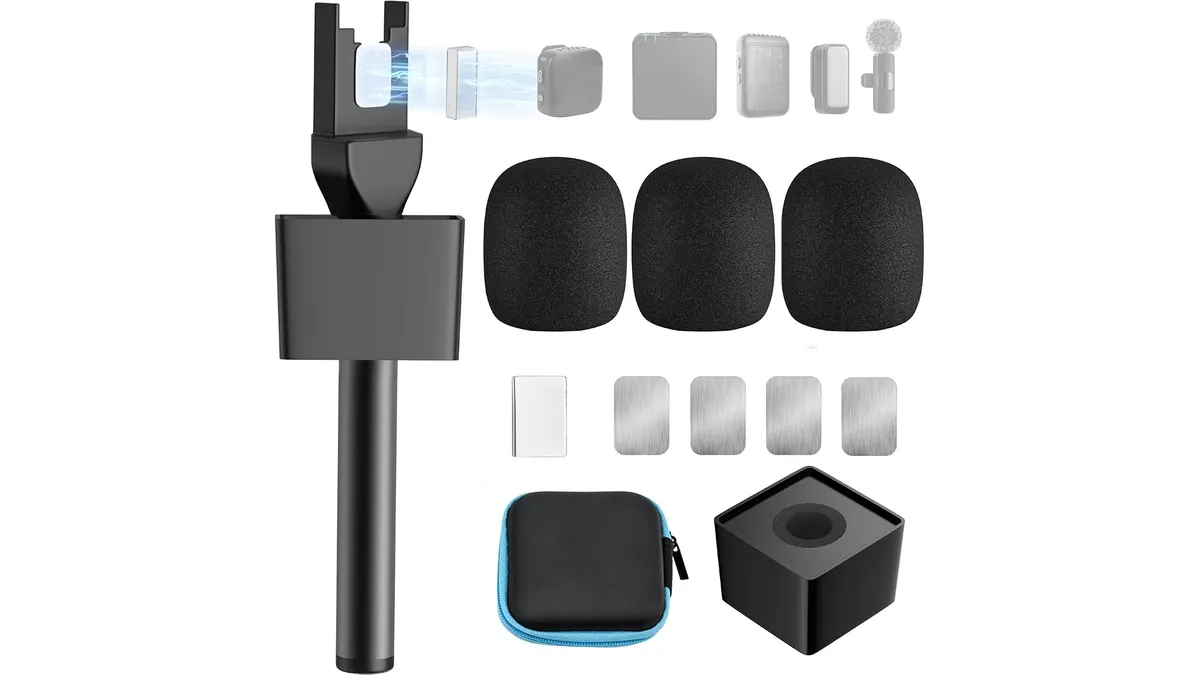
GAHOGA Mic Handle Review: Practical Handheld Audio Utility
I put the GAHOGA Mic Handle to the test on set to see if it turns wireless transmitters into reliable handheld microphones. Read my expert take here.
 Microphones
DJI Mic Mini Review: Compact and Reliable Audio Capture
Explore the DJI Mic Mini for high-quality audio recording, ideal for filmmakers and content creators seeking reliability and portability.