RØDE Wireless GO II Review: A Versatile Audio Tool for Creators
Looking for reliable audio? Our RØDE Wireless GO II review breaks down the dual-channel performance, internal recording capabilities, and real-world drawbacks.
 Microphones
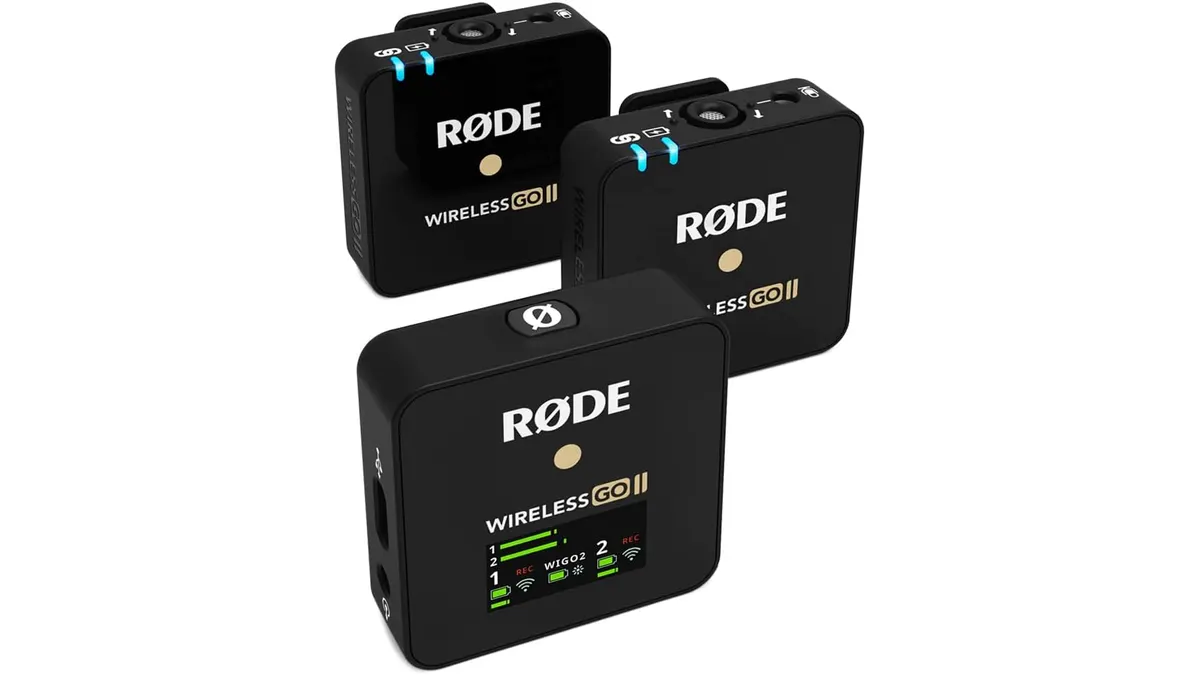
When you are working solo on a documentary or a corporate interview, the last thing you want to worry about is an audio dropout. The RØDE Wireless GO II has become a staple in many kits because it simplifies the wireless workflow while adding a crucial safety net for your production. If you are browsing for new gear, you should check out our full range of Microphones to see how this stacks up against the latest releases.
What it does well
The RØDE Wireless GO II is primarily defined by its reliability and flexibility in the field. Here is what stands out after hours of testing:
- Dual-Channel Versatility: Being able to record two subjects simultaneously with a single receiver is a massive time-saver. It keeps your camera rig compact, which is vital when you are running-and-gunning or working with a gimbal.
- Internal Recording Safety: The highlight for me is the onboard recording. With over 40 hours of storage inside the transmitters, you have an insurance policy against RF interference or accidental signal loss. If the wireless connection fails, you still have clean audio on the unit itself.
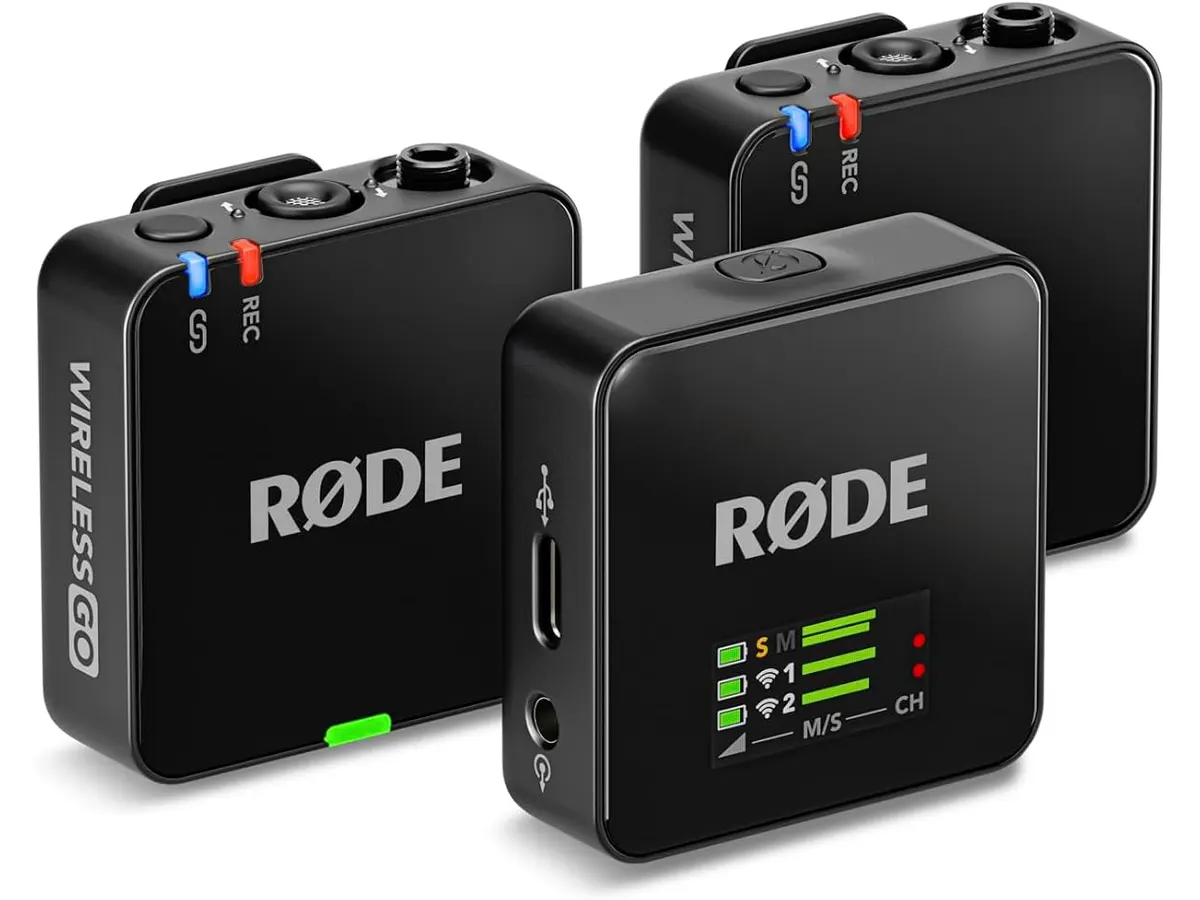
- Flexible Connectivity: The receiver works seamlessly with cameras via the analog output, but it also functions as a digital interface via USB. This makes it a legitimate choice for desktop podcasting or mobile livestreaming without needing extra adapters or audio interfaces.
Key specifications
| Feature | Specification |
|---|---|
| Channels | Dual-channel (2 TX + 1 RX) |
| Internal Recording | 40+ hours per transmitter |
| Outputs | Analog TRS and Digital USB |
| Compatibility | Cameras, Windows, MacOS, iOS, Android |
| Microphone | Integrated in TX units |
| Software | RØDE Connect compatible |
Where it falls short
Despite the impressive feature set, the system isn’t perfect for every situation. The most glaring limitation is the lack of a dedicated physical gain control on the receiver’s face; you have to dive into software or menu settings to adjust levels, which is a headache if you need to react instantly to a sudden change in volume during an interview.
Additionally, the units are quite small, which is great for aesthetics, but the integrated microphones can be sensitive to wind. You will almost certainly need to use the included deadcats or a secondary lavalier microphone if you are shooting outdoors. If you want to see how these form factors compare to other compact options, take a look at the DJI Mic 3 Review: Top Wireless Lavalier for Creators or the DJI Mic Mini Review: Compact and Reliable Audio Capture.
Who is it for?
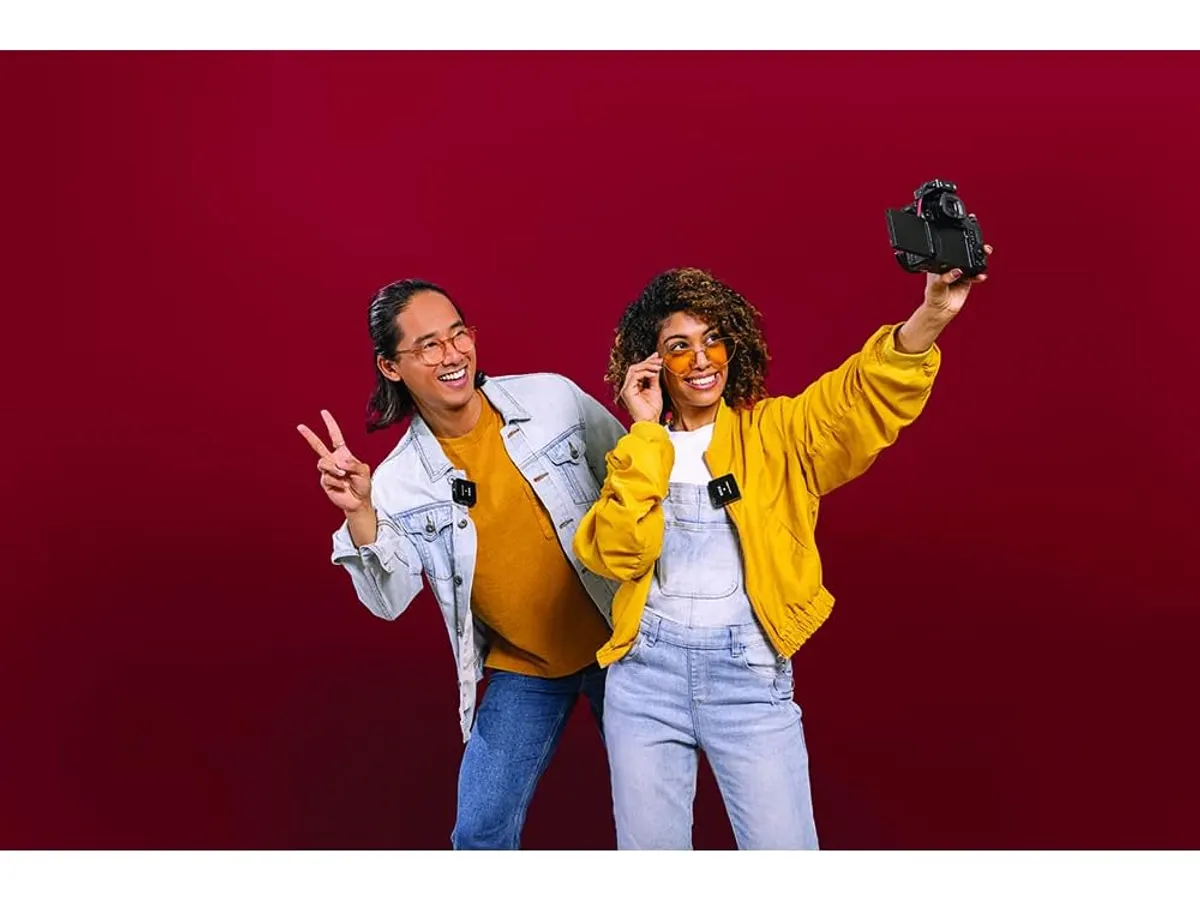
This system is ideal for the solo content creator or the videographer who handles interviews and multi-person vlogs. It provides professional-grade features without the bulk of traditional bodypacks, making it perfect for travel-heavy productions where space is at a premium.
Conversely, it is not the right tool for a production house that needs high-end features like timecode synchronization or advanced frequency management for crowded RF environments. If you are working on large-scale film sets with dedicated sound mixers, you will likely find this system too consumer-focused for your specific needs.
Alternatives to consider
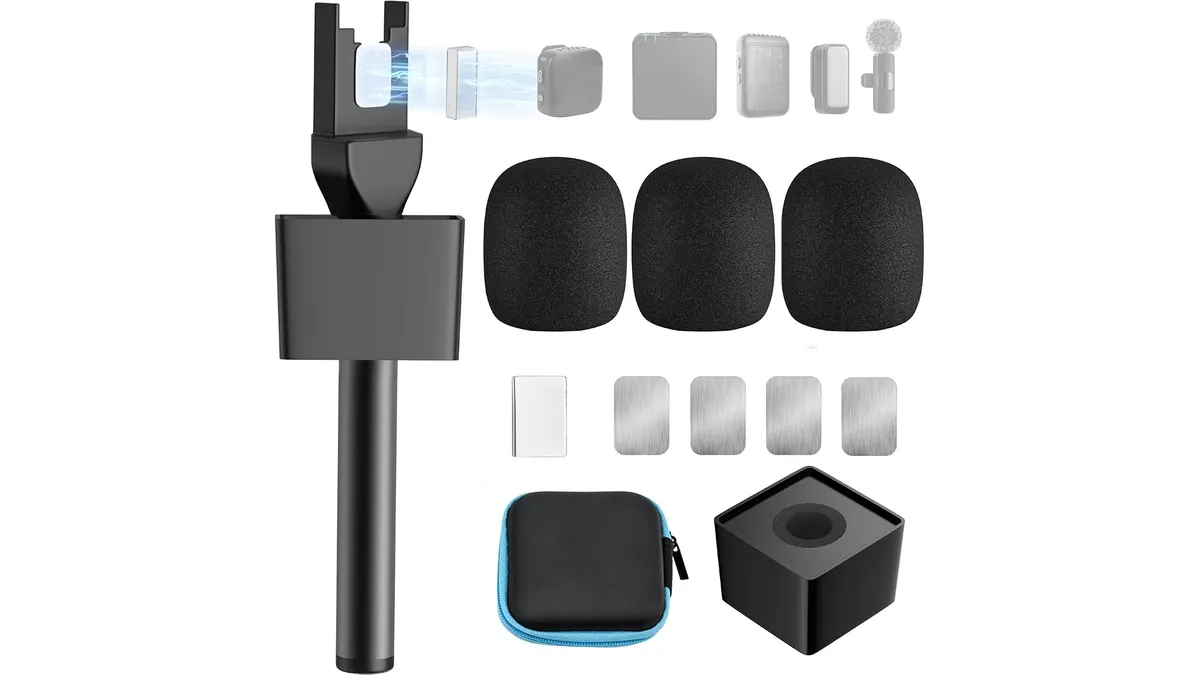
If the RØDE Wireless GO II doesn’t feel like the right fit, there are two common alternatives based on your project requirements. For those who need a more ergonomic, handheld experience, there are various modular mounting solutions, such as those discussed in our GAHOGA Mic Handle Review: Practical Handheld Audio Utility, which can transform your wireless transmitter into a traditional reporter-style mic.
Alternatively, if you are looking for a more budget-friendly, entry-level option, consider generic systems that prioritize basic wireless transmission over internal recording and advanced software features. These are perfect for beginner YouTubers who don’t need the redundancy of a backup recording but need to get a microphone closer to their subject.
Verdict
The RØDE Wireless GO II remains one of the most practical tools in a creator’s bag. While the menu-driven gain control is a slight nuisance, the reliability of the internal backup recording more than makes up for it. For most run-and-gun filmmakers, this is a workhorse that earns its spot in the kit.
Frequently asked questions
Can I use the RØDE Wireless GO II with a smartphone?
Yes, it is fully compatible with mobile devices via USB-C or Lightning, depending on the cable and the specific hardware generation.
Do I need to buy separate microphones for the transmitters?
No, the transmitters feature high-quality integrated microphones, though you can plug in external lavaliers if you prefer a more discreet look.
Can I use the system for live streaming?
Absolutely. Through the RØDE Connect software, you can easily route the audio from the receiver into your streaming software of choice on a computer.

Written by
Charly River
Editor & Head of Reviews
I review audiovisual gear by cross-checking official specs, real availability and value for money. No sponsorships: if a link earns a commission, I always say so.
Spotted an error? Email usYou may also like
 Microphones
GAHOGA Mic Handle Review: Practical Handheld Audio Utility
I put the GAHOGA Mic Handle to the test on set to see if it turns wireless transmitters into reliable handheld microphones. Read my expert take here.
 Microphones
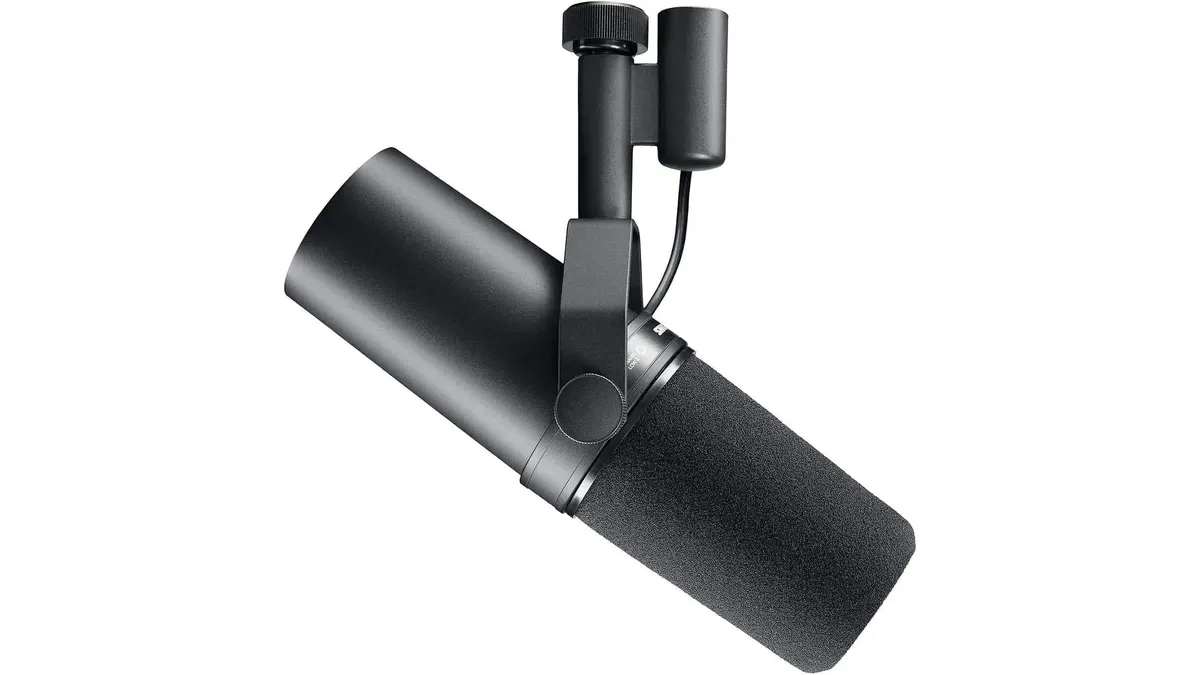
Shure SM7B Review: Legendary Vocal Clarity for Studio Audio
Read our expert Shure SM7B review. Discover how this dynamic XLR microphone isolates vocals, blocks electromagnetic noise, and elevates studio recordings.
 Microphones
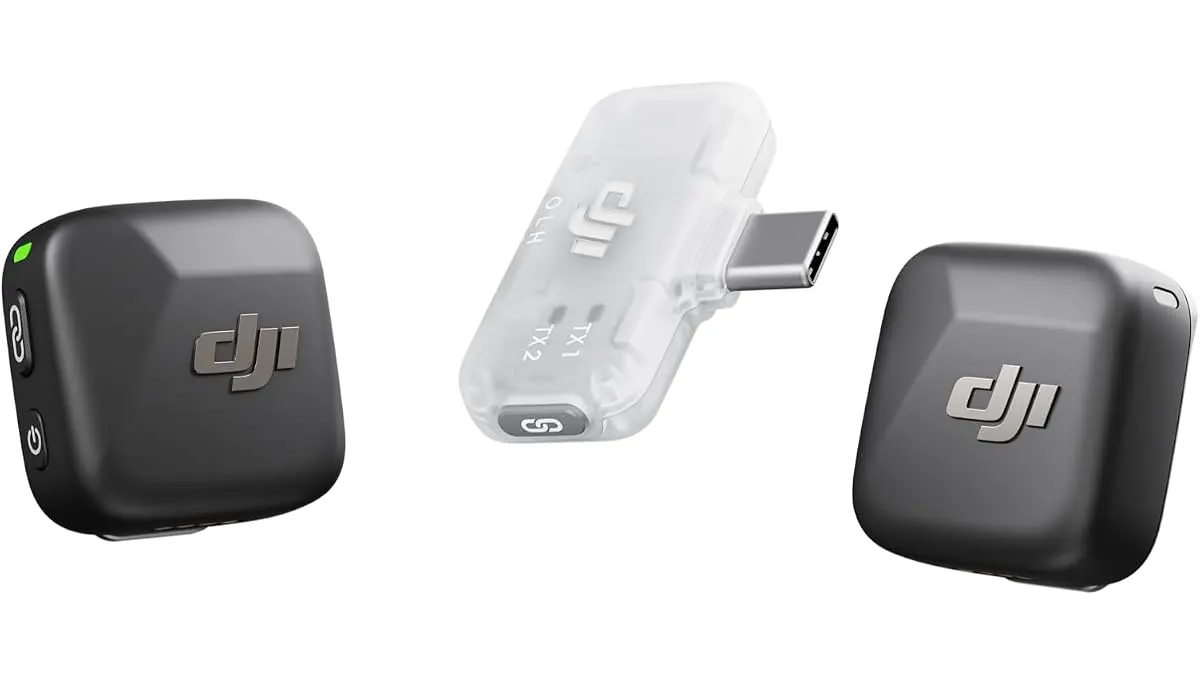
DJI Mic Mini Review: Compact and Reliable Audio Capture
Explore the DJI Mic Mini for high-quality audio recording, ideal for filmmakers and content creators seeking reliability and portability.