Zoom H1 XLR Review: Compact 32-Bit Float Audio Recording
Read our field-tested Zoom H1 XLR review to see if this 32-bit float, dual-XLR recorder is the ultimate compact audio solution for video setups.
 Audio & Recorders
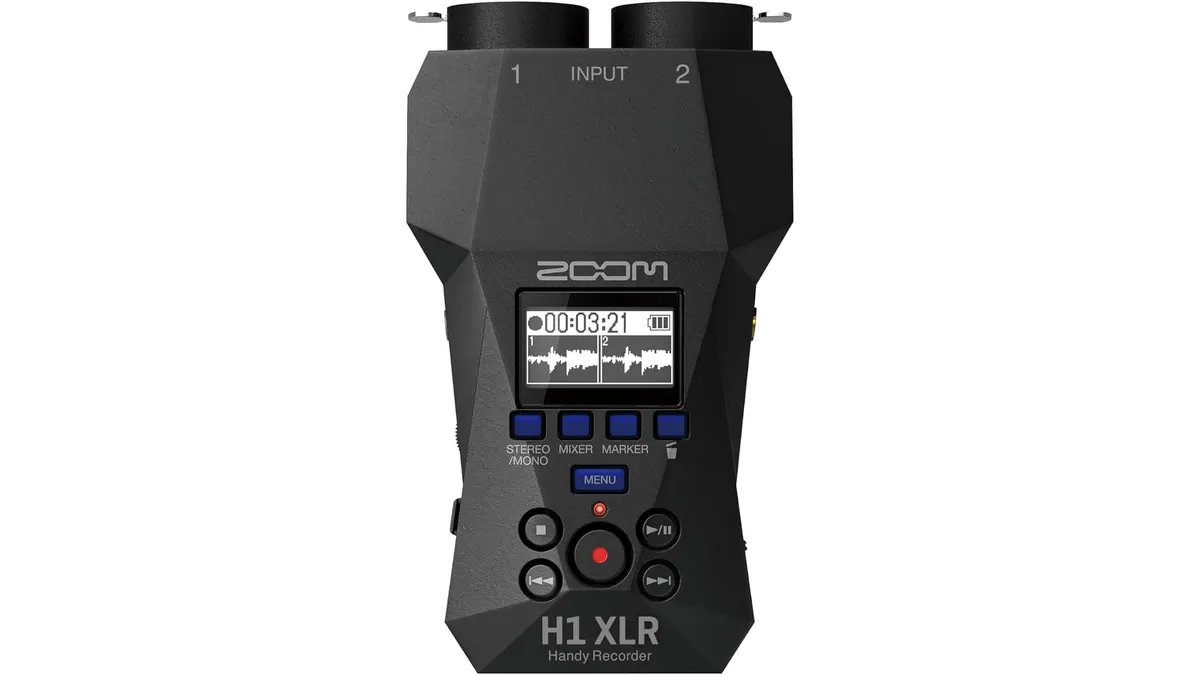
When recording field interviews or quick corporate video setups, capturing clean audio without clipping is critical. The Zoom H1 XLR brings dual XLR/TRS combo inputs and 32-bit float recording into a stripped-down, ultra-compact body. If you need clean tracks without carrying heavy field mixers, this unit aims to simplify your workflow. As we evaluate the latest gear in our Audio & Recorders section, here is our hands-on breakdown.
What it does well
- 32-bit / 96kHz Recording Resolution: The standout technical capability is 32-bit floating-point audio. This dynamic range practically eliminates digital clipping from sudden volume spikes during unpredictable interviews, giving you complete recovery headroom in post-production.
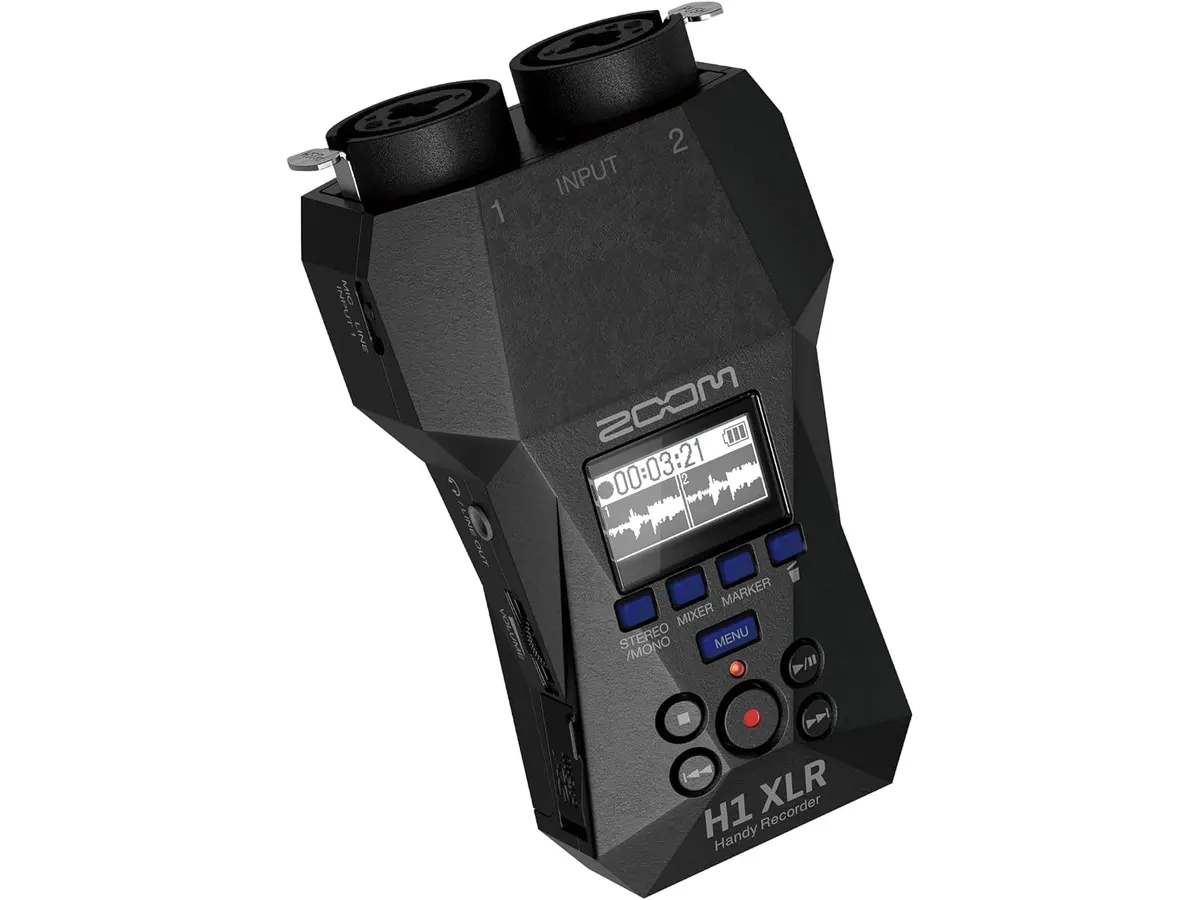
- Dual XLR/TRS Combo Inputs: Having two locking combo jacks on a device this compact allows you to connect professional shotgun microphones, wireless receiver packs, or line-level mixer outputs without carrying bulky adapter dongles.
- OLED Waveform Display: Monitoring audio visually in bright daylight or dark studio spaces is straightforward. The bright OLED screen gives you immediate feedback by displaying actual audio waveforms alongside signal levels.
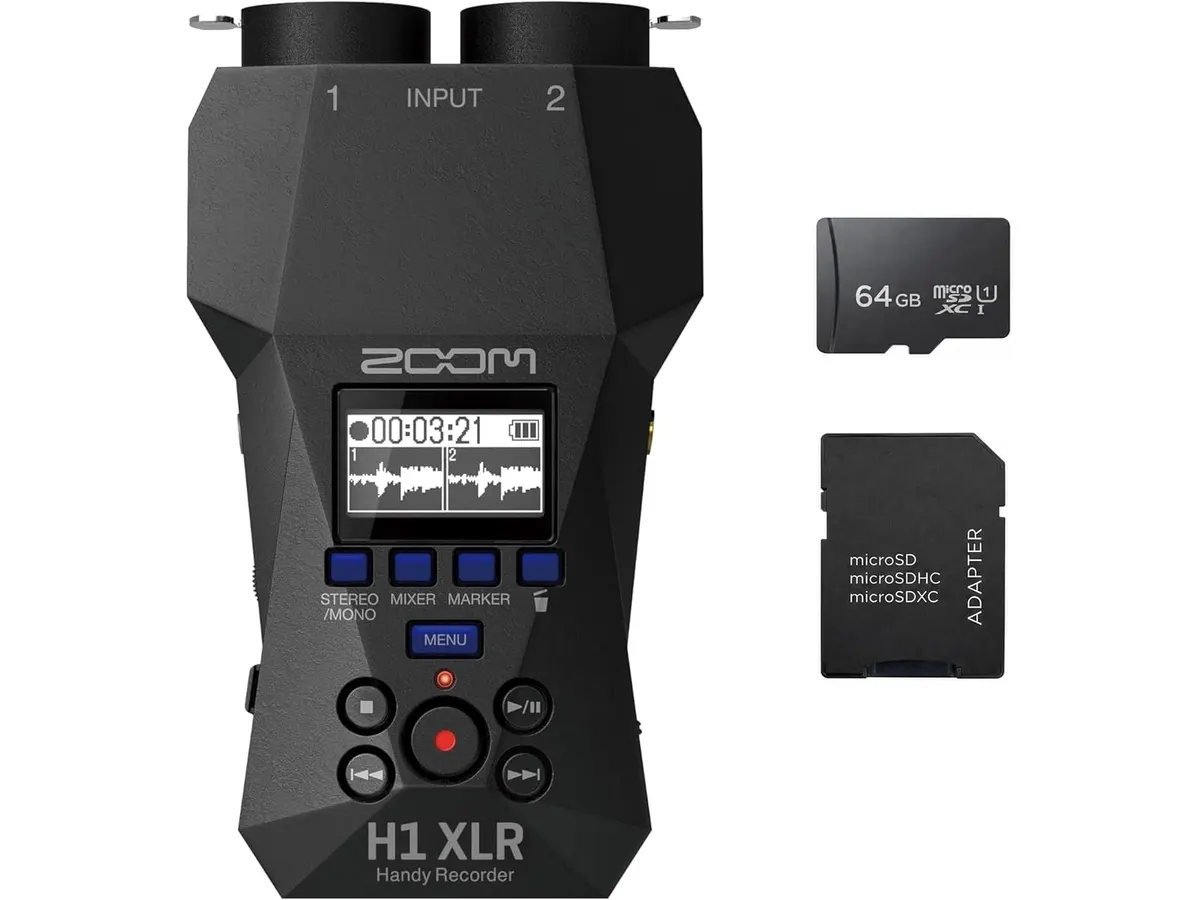
- Massive Storage Compatibility: With support for SDXC cards up to 1TB, you can log multi-day event recordings or continuous ambient soundscapes at maximum 96kHz resolution without worrying about running out of card space.
- Flexible 3.5mm I/O: The inclusion of both 3.5mm input and output routing makes sending a reference scratch track directly into a DSLR or mirrorless camera setup effortless.
Key specifications
| Feature | Specification |
|---|---|
| Channels | 2 channels |
| Audio Resolution | 32-bit / 96kHz |
| Inputs | 2 XLR/TRS combo |
| Display | OLED with waveform display |
| Auxiliary Connections | 3.5mm input and output |
| Storage | SDXC support up to 1TB |
Where it falls short
- No Internal Capsules: Unlike legacy handheld field recorders, there are no built-in stereo microphone capsules here. If you forget your external microphones or XLR cables on a shoot, you cannot record ambient sound on the fly.
- Strict Two-Channel Limit: With only two input channels, this unit cannot expand for three-person roundtables or complex multi-mic panel setups without using external pre-mixers.
- Minimalist Control Surface: To keep the footprint tiny, hardware physical knobs are kept to a minimum, requiring you to navigate the OLED screen menu for key configuration adjustments during prep.
Who is it for?
- The Solo Videographer: If you mount audio gear directly to a camera cage or shoulder rig to record shotgun and lavalier microphones during fast-paced documentary shoots, this recorder delivers distortion-free 32-bit float audio without adding unnecessary bulk.
- The Panel Podcaster or Live Ensemble: If your production routine regularly demands four or more mic lines or immediate stereo ambient room pickup without plugging in external microphones, this dual-channel setup will feel overly restrictive.
Alternatives to consider
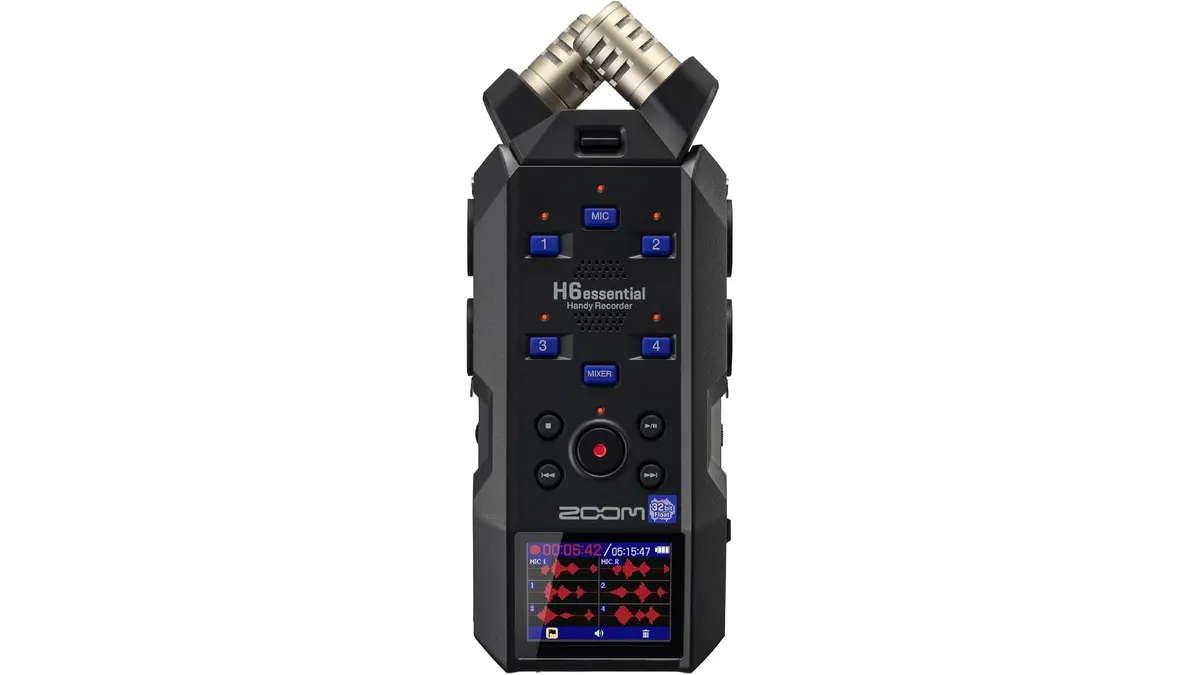
- Higher-Track Count Portable Recorders: For creators who regularly capture multi-person roundtables or require built-in stereo room microphones alongside expansion inputs, stepping up a price tier provides broader channel flexibility. If you want to explore expanded channel options, read our Zoom H6essential review to evaluate how a larger multi-track field recorder handles complex multi-mic setups.
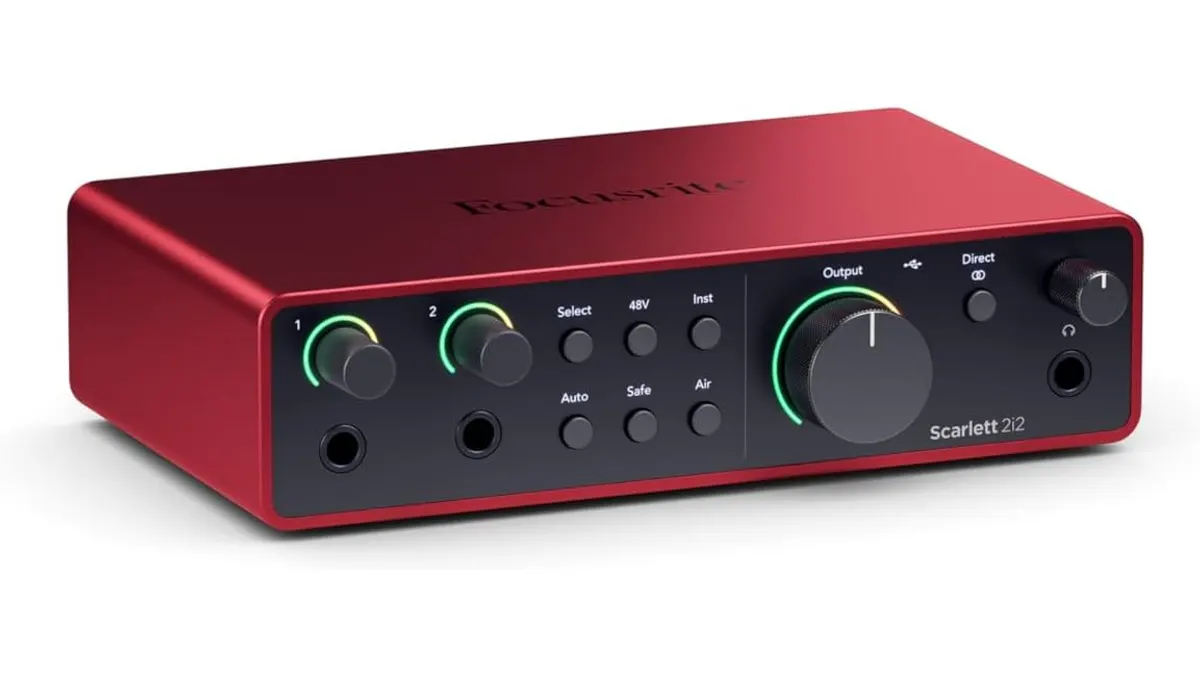
- Desktop Audio Interfaces: If your primary workflow centers on fixed-desk voiceover work, live streaming, or stationary podstudio setups where porting gear in a camera bag is unnecessary, a dedicated USB interface offers continuous desktop power and direct hardware gain dials. You can read our Focusrite Scarlett 2i2 4th Gen review to see how desktop-class preamps perform in a stationary environment.
Verdict
The Zoom H1 XLR simplifies field audio by pairing dual XLR/TRS combo inputs with high dynamic range 32-bit float recording in an extraordinarily compact frame. While the lack of onboard microphone capsules and the strict two-channel ceiling mean it won’t replace full panel setups, its reliability on video rigs is undeniable. For solo operators and run-and-gun documentarians who prioritize clean audio recovery over physical dials, it is an essential addition to any lean kit.
Frequently asked questions
Does the Zoom H1 XLR require gain adjustment during recording?
Thanks to 32-bit float audio resolution, the recorder captures an exceptionally wide dynamic range. This allows you to record quiet whispers and sudden loud audio spikes without manually adjusting analog gain levels to prevent digital clipping.
Can I send audio from the Zoom H1 XLR directly to my camera?
Yes, the unit features a dedicated 3.5mm line output alongside its main inputs. You can run a 3.5mm audio cable straight from the recorder into your camera’s mic input to record a sync scratch track while saving 32-bit float master audio to the internal SDXC card.
What size memory card can I use with this recorder?
The recorder supports SDXC cards up to 1TB in capacity. This provides ample space for long recording sessions at the maximum 32-bit / 96kHz audio resolution without requiring frequent card offloads.

Written by
Charly River
Editor & Head of Reviews
I review audiovisual gear by cross-checking official specs, real availability and value for money. No sponsorships: if a link earns a commission, I always say so.
Spotted an error? Email usYou may also like
 Audio & Recorders
Zoom H6essential: Versatile Audio Recorder for Creators
Discover the Zoom H6essential, a flexible audio recorder for filmmakers and podcasters seeking high-quality sound recording.
 Audio & Recorders
Focusrite Scarlett 2i2 4th Gen Review: Studio Quality Made Simple
I tested the Focusrite Scarlett 2i2 4th Gen to see if its new features justify the hype for creators. Read my honest take on this popular audio interface.