DJI Osmo Pocket 3 Review: A Tiny Gimbal Powerhouse
Looking for the ultimate vlogging camera? Our DJI Osmo Pocket 3 review breaks down how this 1-inch sensor gimbal stacks up for solo content creators.
 360 & Action Cameras
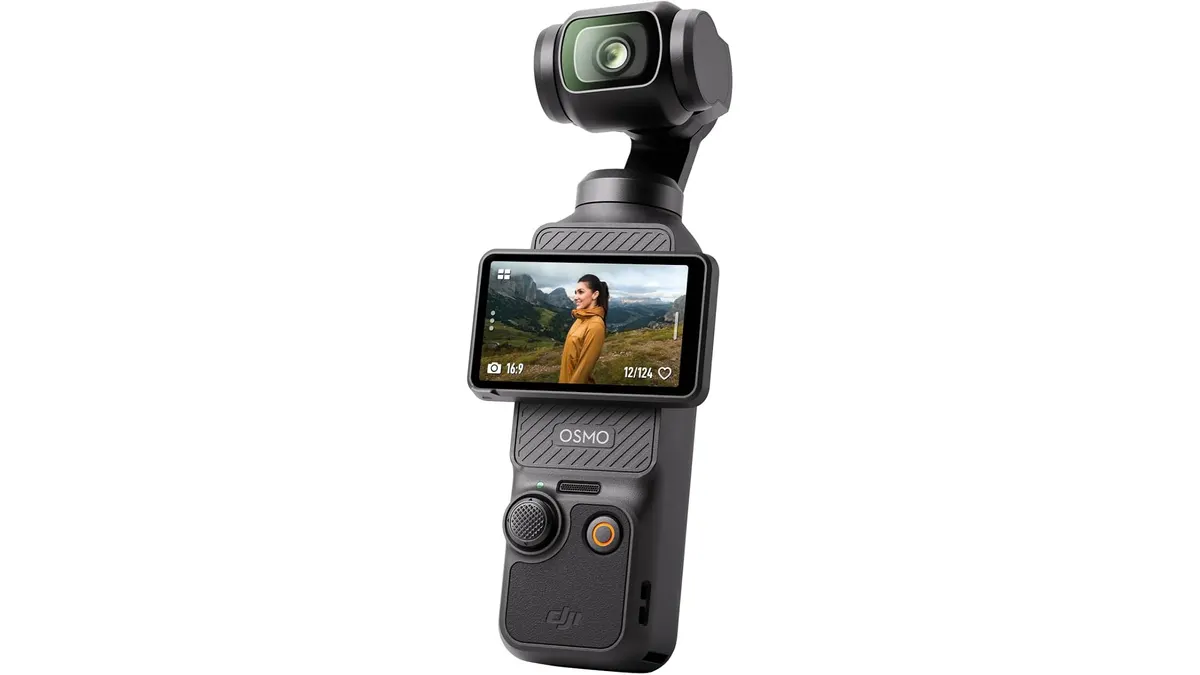
If you have spent any time in the field, you know that the friction of setting up a rig is the biggest enemy of capturing the moment. The DJI Osmo Pocket 3 addresses this by putting a 1-inch sensor and a high-end mechanical stabilizer into a package that fits in your pocket. It is a significant shift in the 360 & Action Cameras market, proving that you don’t always need a bulky mirrorless setup to get professional-looking footage. Whether you are documenting events or shooting solo vlogs, this device changes the workflow entirely.
What it does well
The standout feature here is undoubtedly the 1-inch CMOS sensor. In practical terms, this means you can shoot in dimly lit environments, like a restaurant or an evening street scene, and get clean, usable footage without the aggressive noise reduction smear found on smaller-sensor action cams. When I tested this at a low-light event, the ISO 3200 footage held up remarkably well.
Beyond the sensor, the 3-axis mechanical stabilization is miles ahead of electronic stabilization. While others rely on cropping the image to smooth out shakes, the Pocket 3 uses physical motors. This keeps the full resolution and field of view intact, which is a massive win for run-and-gun shooters. The ActiveTrack 6.0 is equally impressive; it locks onto subjects with tenacity, allowing you to focus on your framing rather than worrying about drift. Lastly, the 2-inch rotating screen is a design triumph. Snapping it from horizontal to vertical orientation feels natural and instantly triggers the camera to adjust its aspect ratio, making it ideal for multi-platform creators.
Key specifications
| Feature | Specification |
|---|---|
| Sensor | CMOS 1-inch |
| Max Resolution | 4K at 120fps |
| Stabilization | 3-axis mechanical gimbal |
| Screen | 2-inch rotating touchscreen |
| Color Profile | 10-bit D-Log M |
| Tracking | ActiveTrack 6.0 |
Where it falls short
Despite the performance, the device is not indestructible. The mechanical gimbal design means there are delicate, moving parts exposed to the elements. If you are shooting in dusty, sandy, or wet conditions, you have to be significantly more careful than you would be with a fully sealed, waterproof action camera. There is no IP rating here, so a heavy downpour is a legitimate risk.
Additionally, the form factor forces a trade-off in battery longevity and heat management. While it is compact, it is not a set-and-forget device for day-long shoots. If you are recording high-bitrate 4K 120fps, you will burn through power and generate heat, necessitating a power bank or a battery swap. It is a specialized tool, not a universal replacement for every type of production.
Who is it for?
The DJI Osmo Pocket 3 is perfect for the solo vlogger or the corporate videographer who needs to capture high-quality A-roll on the move without a tripod or a secondary camera operator. It bridges the gap between a smartphone and a cinema rig perfectly.
Conversely, it is not for the extreme athlete. If you are mounting cameras to surfboards, mountain bikes, or helmets, the mechanical gimbal will likely struggle with high-impact vibrations or potential water damage. For those high-intensity environments, a rugged, fixed-lens action cam is a much safer bet.
Alternatives to consider
If you need something more rugged, look toward entry-level, fixed-lens action cameras. These are built for impact and submersion, and while they lack the mechanical gimbal, their electronic stabilization is sufficient for sports and high-action sequences. You can compare these to the options found in our guide to 360 & Action Cameras.
If you require full 360-degree coverage for immersive storytelling, you should explore cameras designed for that specific purpose. Those devices allow for reframing in post-production, which is a different creative workflow compared to the Pocket 3’s direct, point-and-shoot approach. For more insight on these, you can look at the Insta360 X3 Review: Versatile 360 Action Camera for Creators or the Insta360 Luna Ultra Creator Bundle Review for Filmmakers.
Verdict
The DJI Osmo Pocket 3 is a masterclass in portable production quality. It offers a balance of image fidelity and ease-of-use that I haven’t seen in this form factor before. If you want to dive deeper into the ecosystem, check out the DJI Osmo Pocket 3 Creator Combo Review: Compact Powerhouse. For most solo creators, this is the most useful tool you can keep in your bag.
Frequently asked questions
Is the gimbal fragile?
It is a precise mechanical device. While it is sturdy enough for travel, it is not designed to withstand hard drops or direct exposure to sand and water.
Can I use this for professional client work?
Yes, the 10-bit D-Log M color profile provides enough dynamic range and color depth to integrate well with footage from larger cinema cameras, provided you manage your lighting.
Does it record audio well?
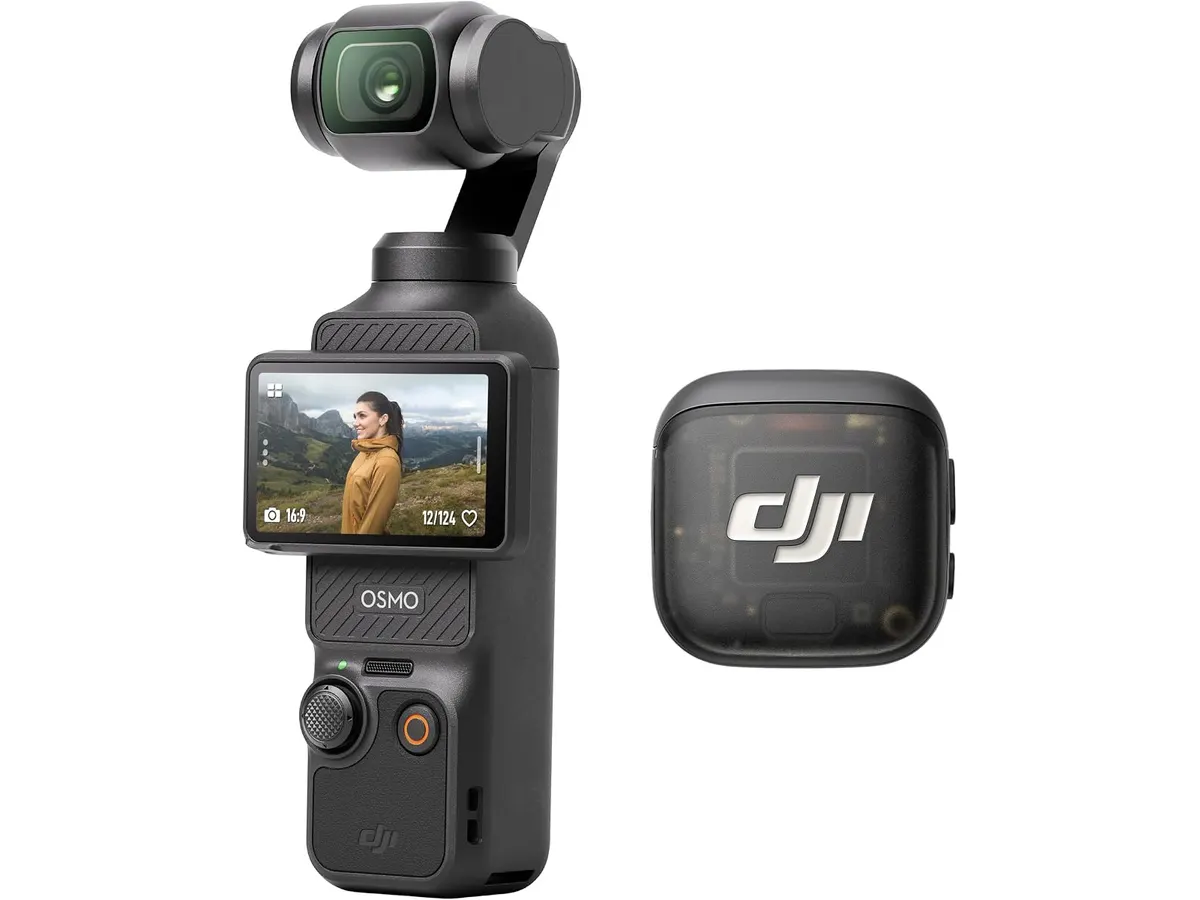
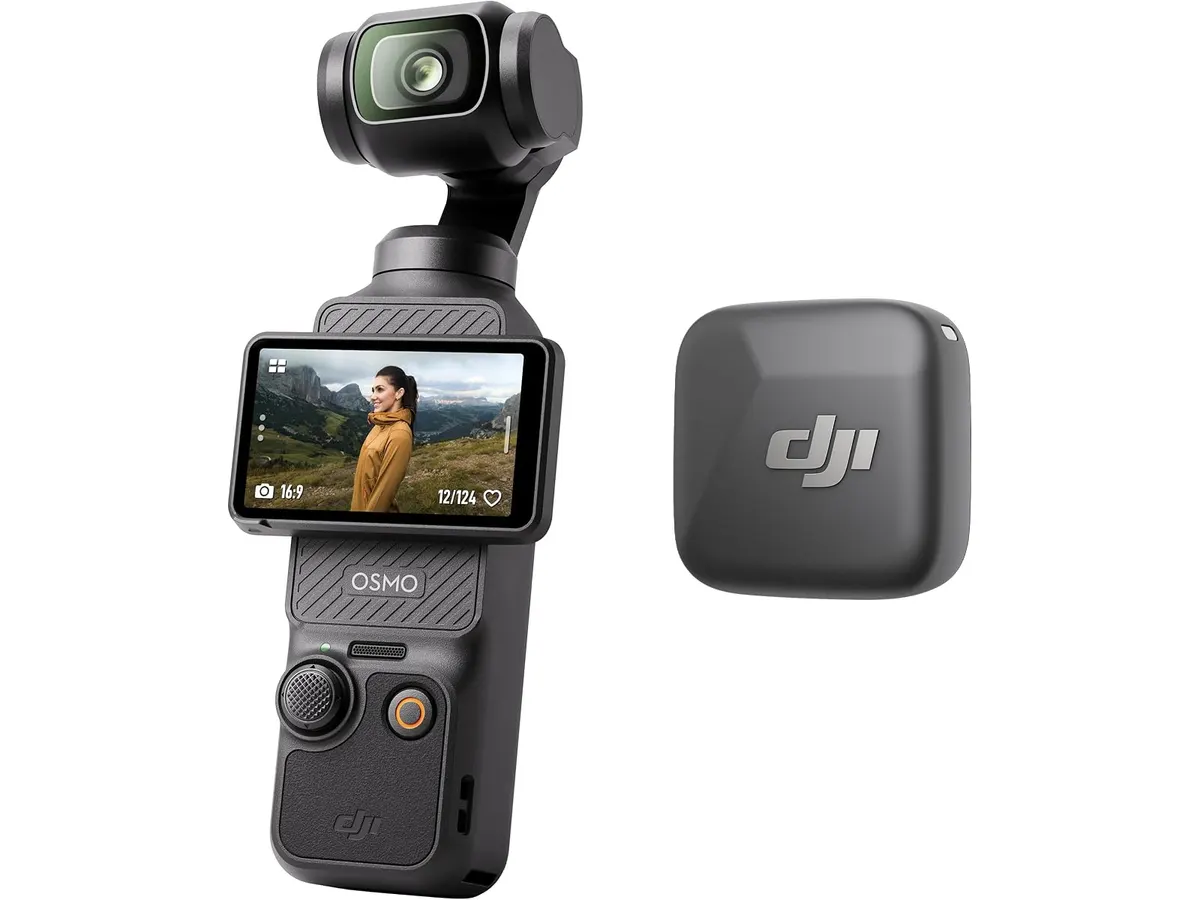
It records decent stereo audio for vlogs, but for professional interviews, you will still want to use the built-in wireless transmitter support to get a lavalier mic closer to the subject.

Written by
Charly River
Editor & Head of Reviews
I review audiovisual gear by cross-checking official specs, real availability and value for money. No sponsorships: if a link earns a commission, I always say so.
Spotted an error? Email usYou may also like
 360 & Action Cameras
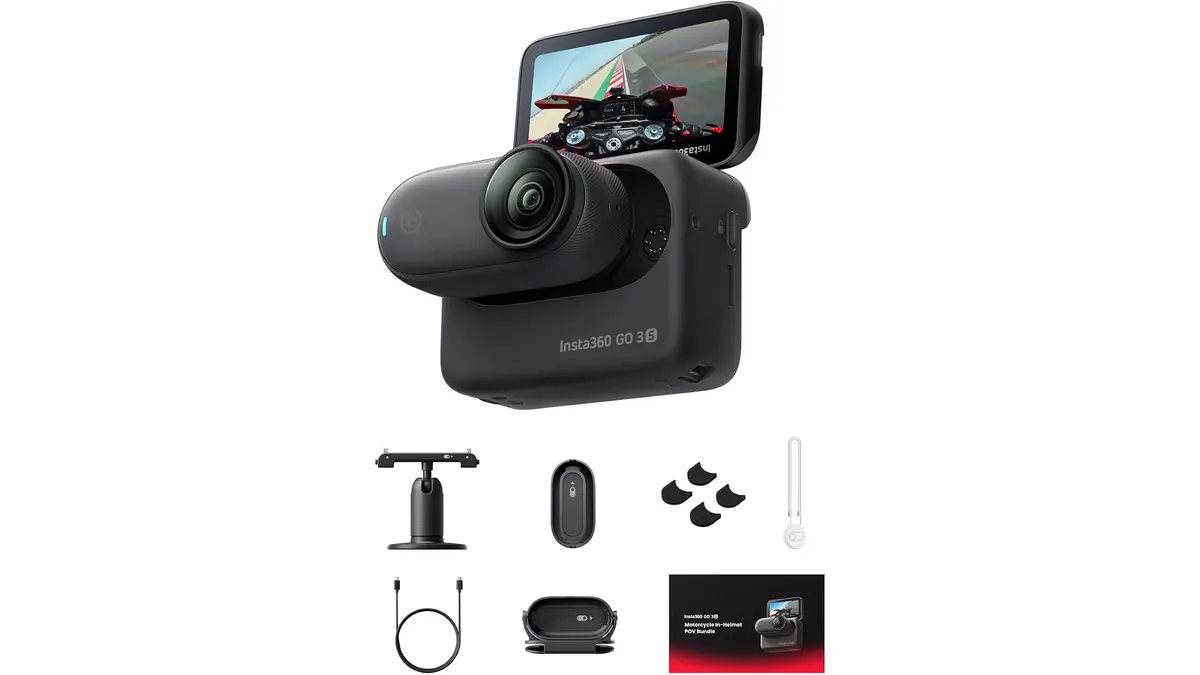
Insta360 GO 3S Review: Tiny 4K Power for Creative Angles
I tested the Insta360 GO 3S to see if its 4K upgrade and unique form factor can handle professional workflows. Here is the honest breakdown for creators.
 Lighting
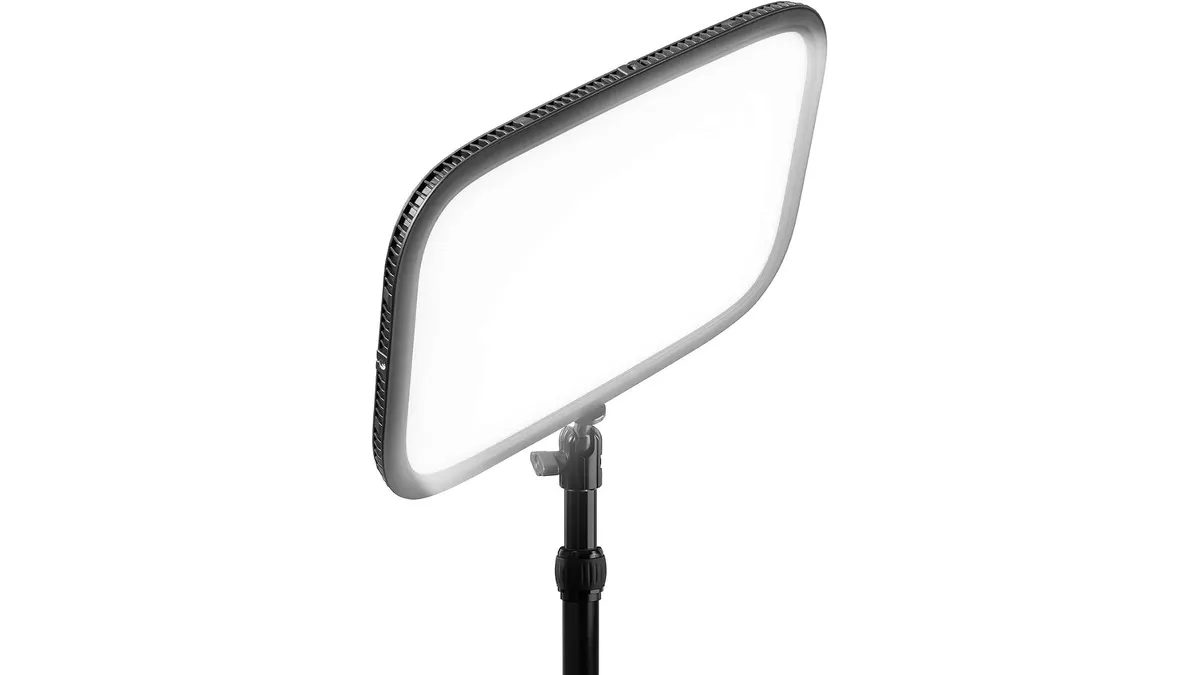
Elgato Key Light Review: Precision Lighting for Your Stream
Looking for studio-grade desk illumination? Our Elgato Key Light review cuts through the marketing to see if this Wi-Fi LED panel fits your production needs.
 360 & Action Cameras
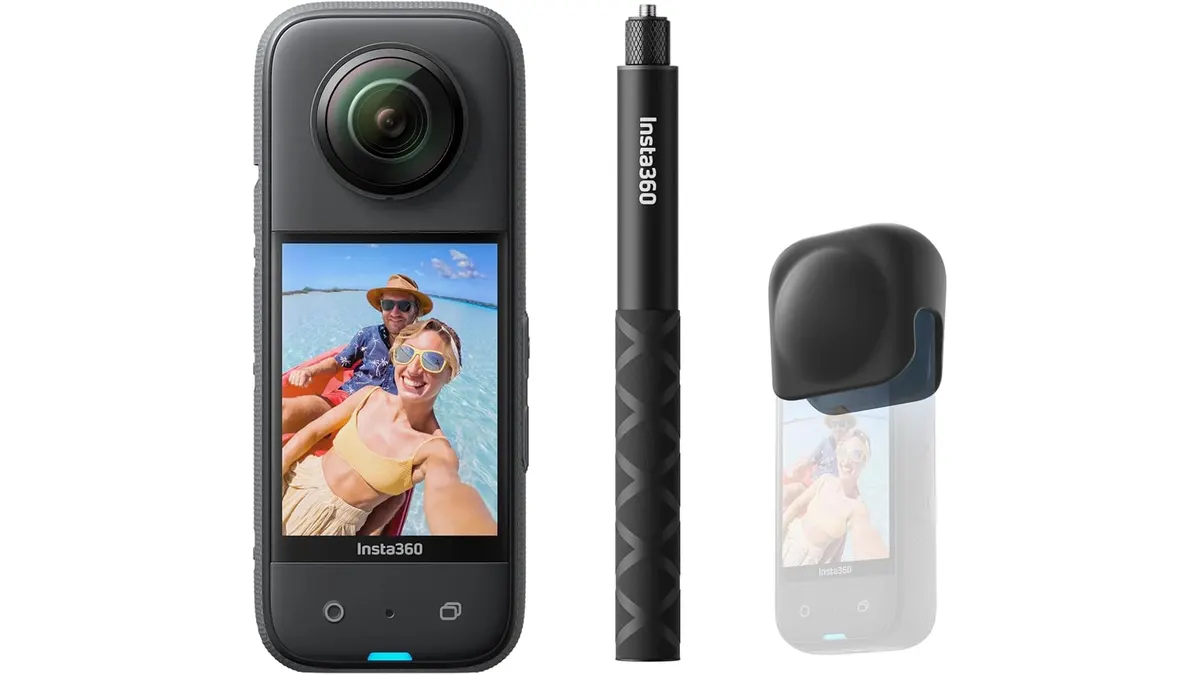
Insta360 X3 Get-Set Bundle Review: Quality 360 Action Camera
Explore the Insta360 X3 Get-Set Bundle for stunning 360-degree videos and advanced stabilization, perfect for creators on the go.