DJI Mini 3 Pro Review: A Filmmaker's Take on the Ultralight Drone
Is the DJI Mini 3 Pro worth your kit? We put this ultralight powerhouse to the test to see if it handles professional demands or just hobbyist needs.
 Drones
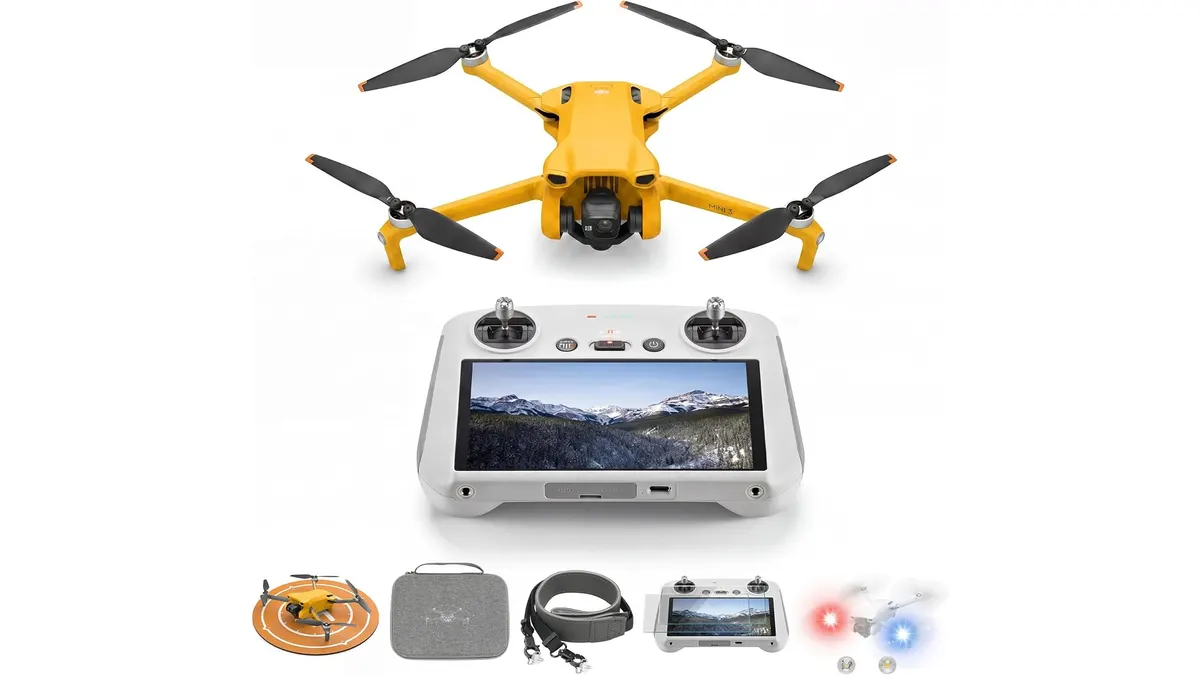
If you are a solo creator, you know the struggle of balancing flight time, legal regulations, and image quality. The DJI Mini 3 Pro enters the conversation as a serious tool that manages to stay under the critical weight threshold while delivering features typically reserved for much heavier rigs. I have taken this out on everything from sunrise landscape shoots to tight industrial site inspections, and it holds its own. If you are looking to expand your toolkit, browsing our full range of Drones is the best place to start understanding the current landscape of aerial tech.
What it does well
The standout feature of the DJI Mini 3 Pro is its ability to punch above its weight class. Here is what I found most impressive during field testing:
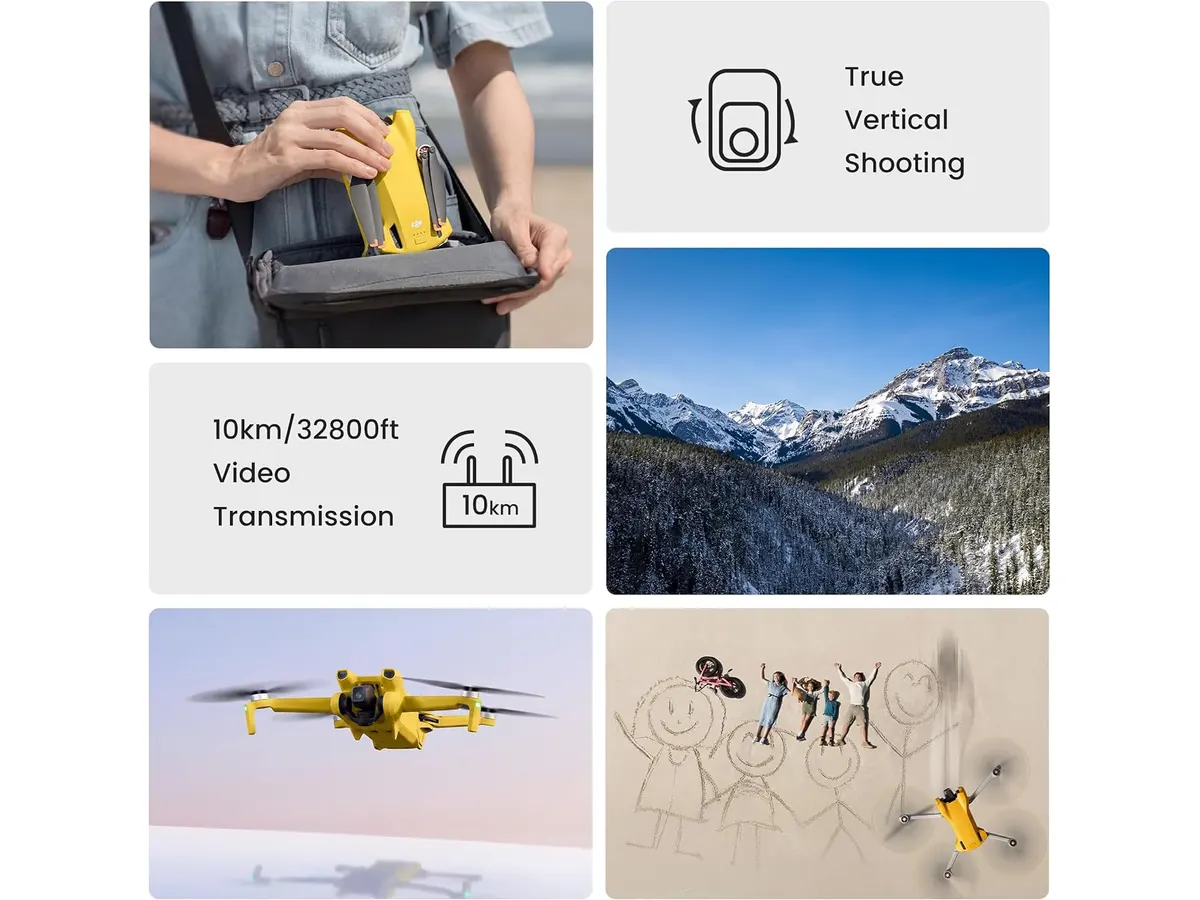
- True Vertical Shooting: This is a game-changer for social media content. The gimbal rotates 90 degrees to capture vertical 4K video without cropping, ensuring you get the full sensor resolution for your portrait-oriented deliverables.
- Low-Light Capability: The f/1.7 aperture is significantly faster than many competitors in this size bracket. When shooting at dusk or in dimly lit urban environments, the noise levels are remarkably controlled, allowing for clean footage that does not fall apart in the grade.
- Ease of Deployment: Because it weighs less than 249g, you bypass the regulatory hurdles that often ground heavier drones. This means you can show up to a location and get in the air in under two minutes.
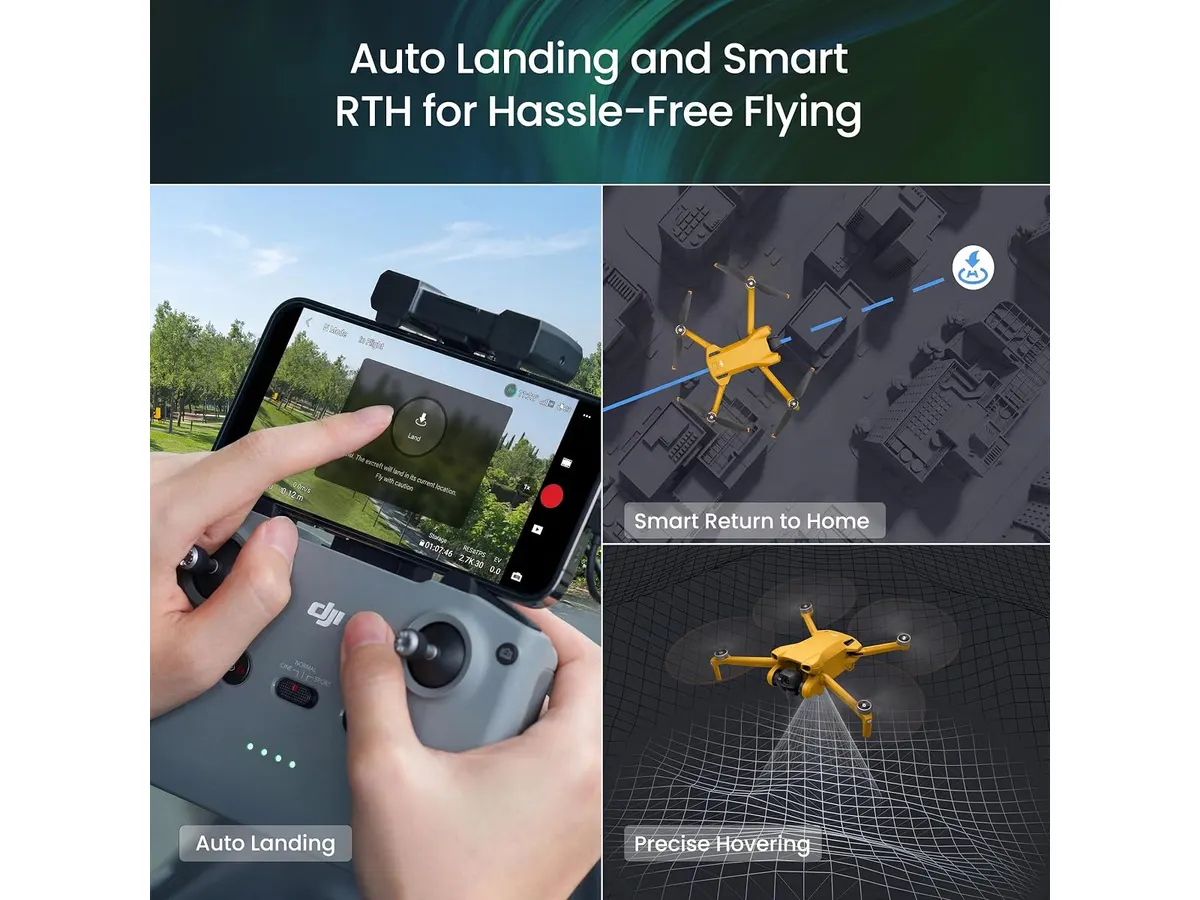
- Safety Integration: The three-way obstacle sensing system provides a necessary safety net for solo operators flying in complex environments, such as around trees or architecture, where a simple pilot error could otherwise be costly.
Key specifications
| Feature | Specification |
|---|---|
| Weight | < 249 g |
| Video Quality | 4K/60fps |
| Photo Resolution | 48 MP |
| Flight Time | Up to 34 minutes |
| Aperture | f/1.7 |
| Wind Resistance | 10.7 m/s |
Where it falls short
While this drone is impressive, it is not without its compromises. First, the wind resistance is decent for its size, but it is still a lightweight machine. In high-altitude gusts, you will see the drone struggle to maintain position, which can lead to micro-jitters in your footage that are difficult to fix in post-production.
Second, while the sensors are a welcome addition, they are not omnidirectional. If you are flying aggressively or moving sideways through an environment, you are essentially flying blind. You still need to maintain high situational awareness compared to the industrial-grade drones that offer 360-degree obstacle avoidance.
Who is it for?
This drone is perfect for the solo content creator or videographer who needs a “B-cam” in the sky. If you are traveling light and need to capture high-quality establishing shots or vertical content for clients without dealing with heavy permit paperwork, this is your primary tool.
It is not for the high-end production crew shooting feature films or high-budget commercials. If your work requires swapping lenses, flying in extreme weather conditions, or carrying cinema-grade payloads, you will find this drone too restrictive and lacking the dynamic range needed for professional color workflows.
Alternatives to consider
If the Mini 3 Pro does not fit your specific project, there are other paths. If you are on a tighter budget and only need core flight stability for basic hobbyist shots, consider an entry-level lightweight option like the DJI Mini 4K Review: Lightweight Drone for Cinematic Shots. Conversely, if you are a solo filmmaker who needs advanced tracking and a more refined flight controller experience, looking at a mid-tier professional drone such as the DJI Flip RC-N3 Review: A Capable Filmmaking Drone for Solo Shooters might serve your production workflow better.
Verdict
The DJI Mini 3 Pro is a rare example of a product that actually delivers on the promise of “pro” performance in a portable package. While it will not replace a dedicated cinema rig, its combination of f/1.7 aperture and true vertical shooting makes it an essential asset for any modern kit. I recommend it for anyone who values speed and agility above all else, provided you understand the physical limitations of a sub-250g airframe.
Frequently asked questions
Is the DJI Mini 3 Pro allowed in restricted airspace?
No. Regardless of its weight, you must always adhere to local aviation authority rules and flight maps; the weight only helps with registration, not with airspace clearance.
Can this drone handle windy days?
It holds up well in moderate breezes up to 10.7 m/s, but I would not trust it in coastal gale conditions or high-altitude mountain passes where gusts are unpredictable.
Does the screen on the DJI RC get bright enough for direct sunlight?
Yes, the integrated high-definition screen is significantly brighter than using a standard smartphone, making it usable in most daylight conditions without needing a bulky sun hood.

Written by
Charly River
Editor & Head of Reviews
I review audiovisual gear by cross-checking official specs, real availability and value for money. No sponsorships: if a link earns a commission, I always say so.
Spotted an error? Email usYou may also like
 Drones
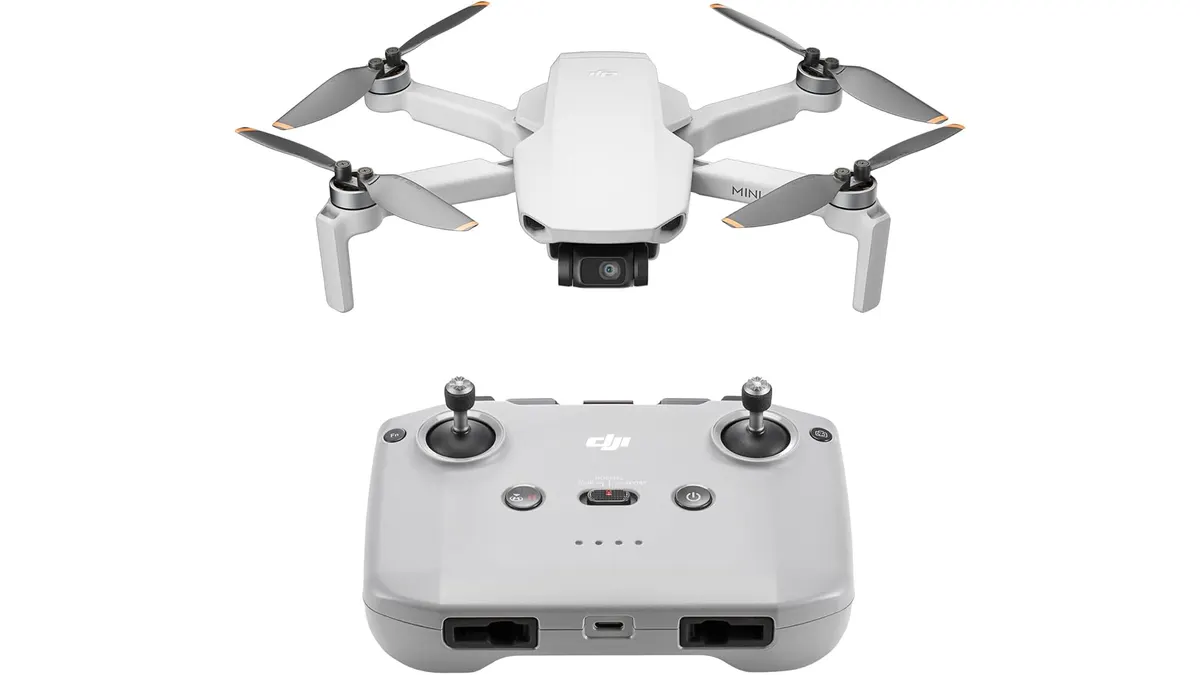
DJI Mini 4K Review: Lightweight Drone for Cinematic Shots
Explore the DJI Mini 4K, a lightweight drone with a 4K camera, ideal for beginners and casual filmmakers looking for quality aerial footage.
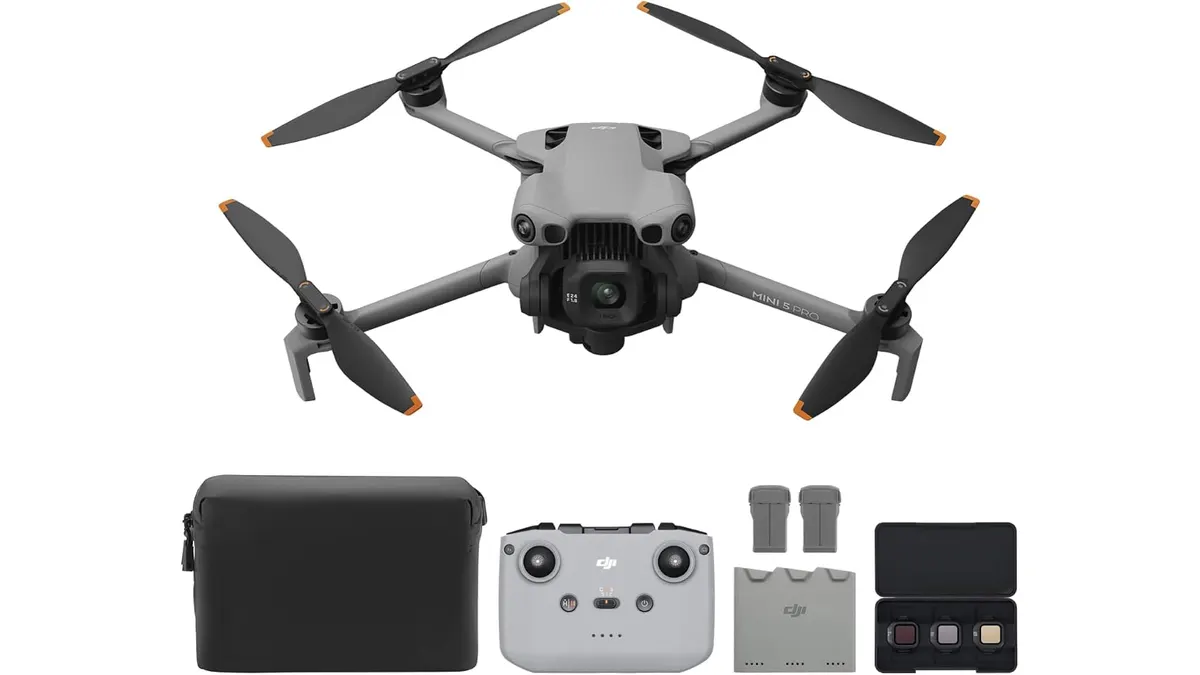 Drones
DJI Mini 5 Pro Review: Compact Drone with Stunning 4K Video
Explore the capabilities of the DJI Mini 5 Pro, a compact drone that delivers 4K video and impressive features for creators on the go.
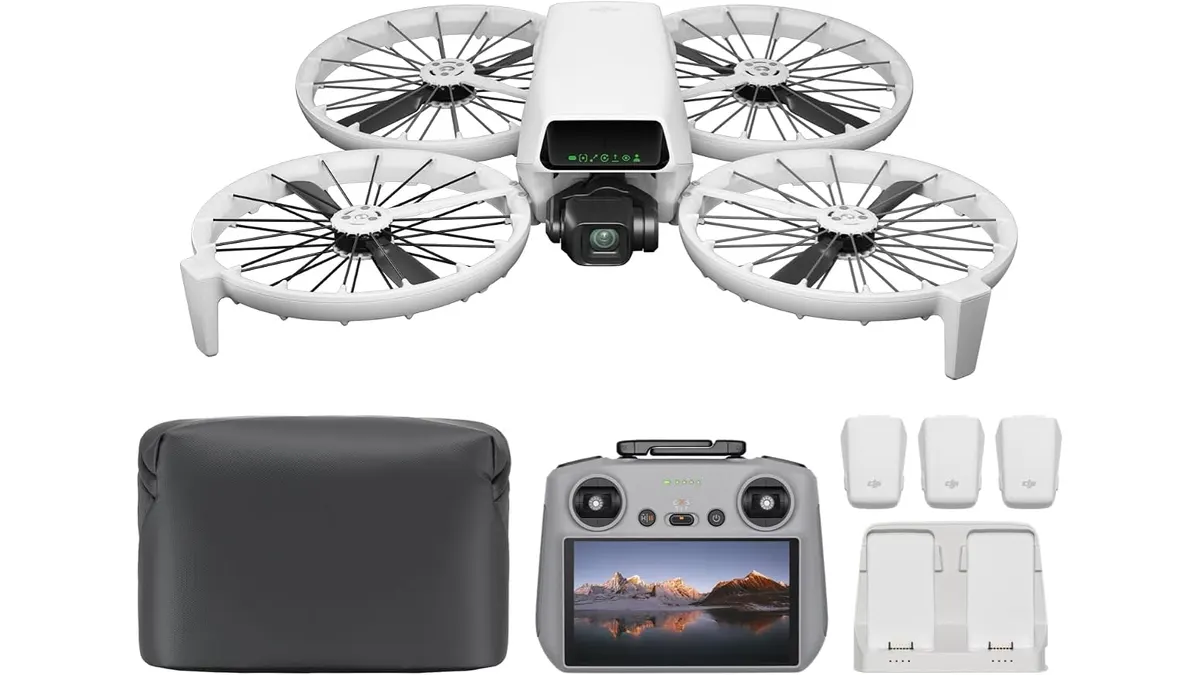 Drones
DJI Flip Fly More Combo Review: Professional Ultralight Aerials
Read our hands-on DJI Flip Fly More Combo review. Discover how this under-249g drone with full carbon fiber prop guards delivers 4K/60fps HDR video.