Sigma 18-35mm F1.8 Art Review: The APS-C Prime Killer
Is the Sigma 18-35mm F1.8 Art still the gold standard for APS-C filmmakers? We test its sharpness, low-light capability, and real-world handling.
 Lenses
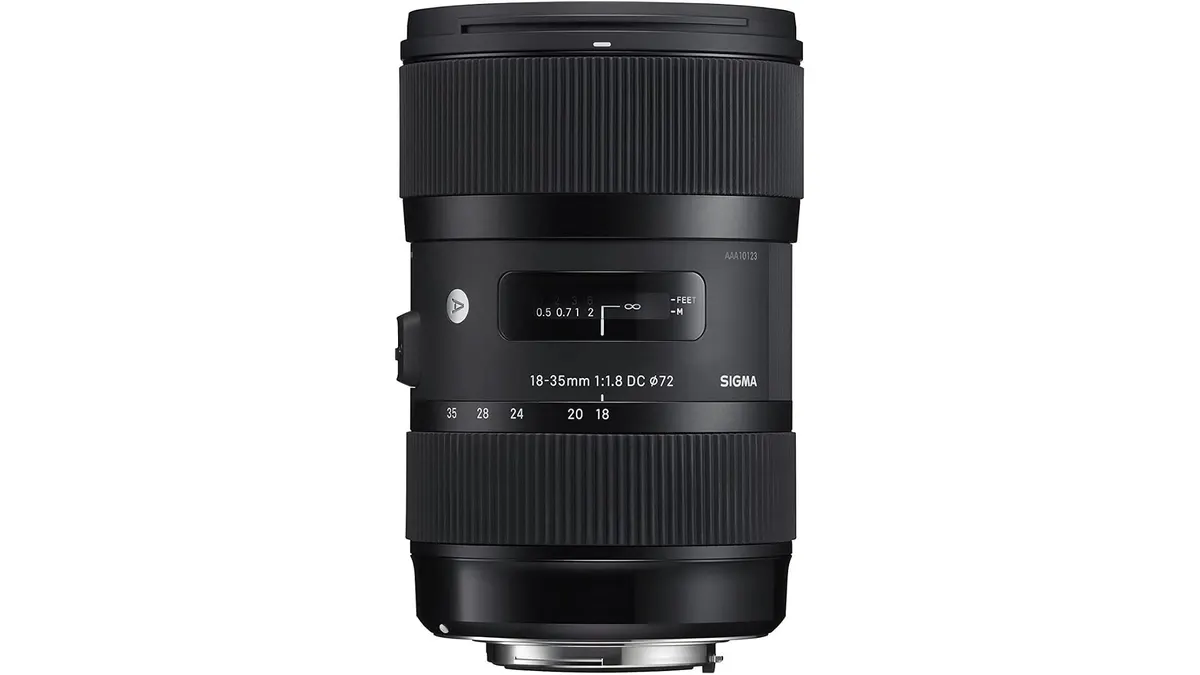
The Sigma 18-35mm F1.8 Art has achieved something approaching legendary status in the video community. For years, I have seen it on the rigs of solo shooters and corporate videographers who need the versatility of a zoom without sacrificing the light-gathering capability of a prime. While many have moved toward full-frame systems, this glass remains a primary reason to stick with APS-C sensors. If you are building out your kit, you should explore our full selection of Lenses to see how this fits into your broader collection.
What it does well
The primary draw here is the constant f/1.8 aperture. It is rare to find a zoom that handles low-light scenarios as well as this one, allowing for clean, crisp footage in dimly lit event venues or interiors without pushing your ISO to noise-heavy territory.
- Optical performance: The sharpness across the 18-35mm range is exceptional, often outperforming prime lenses in its class.
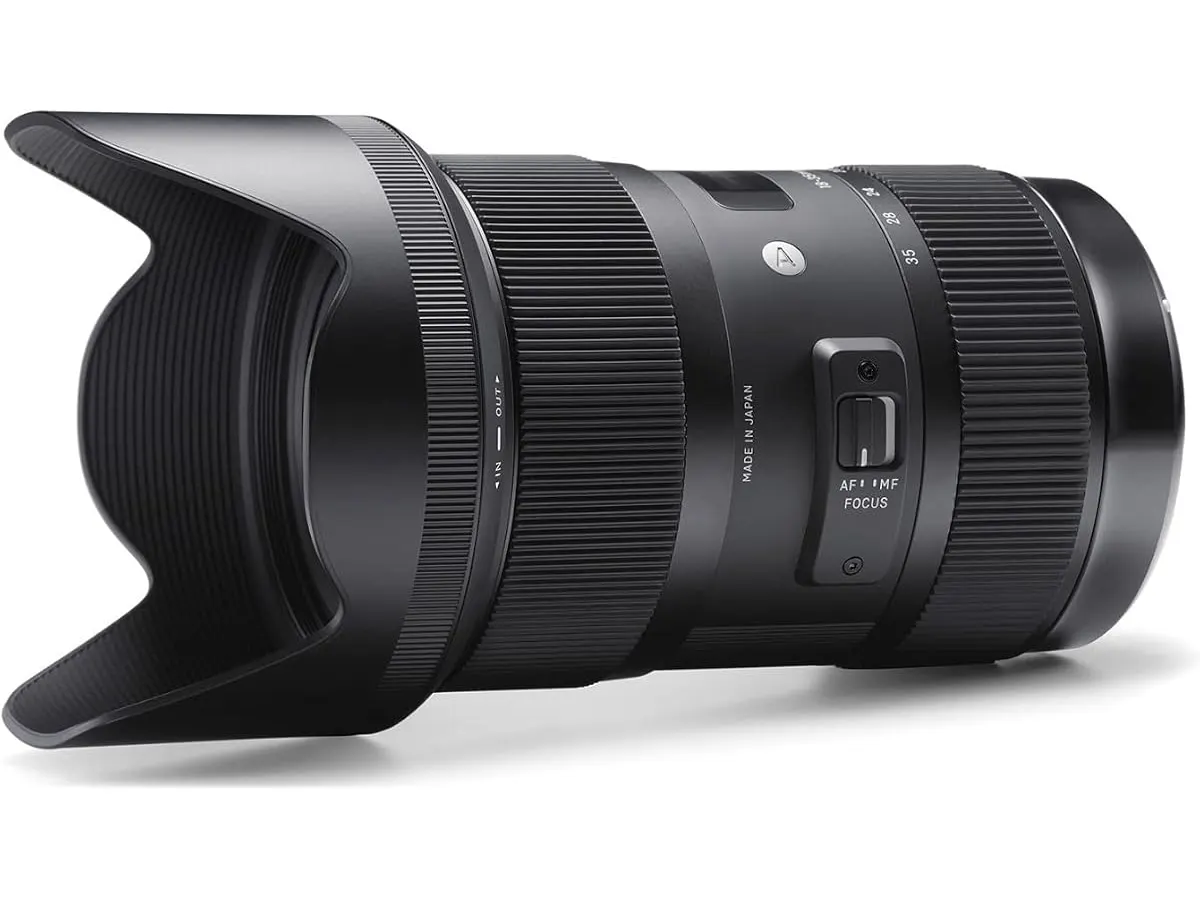
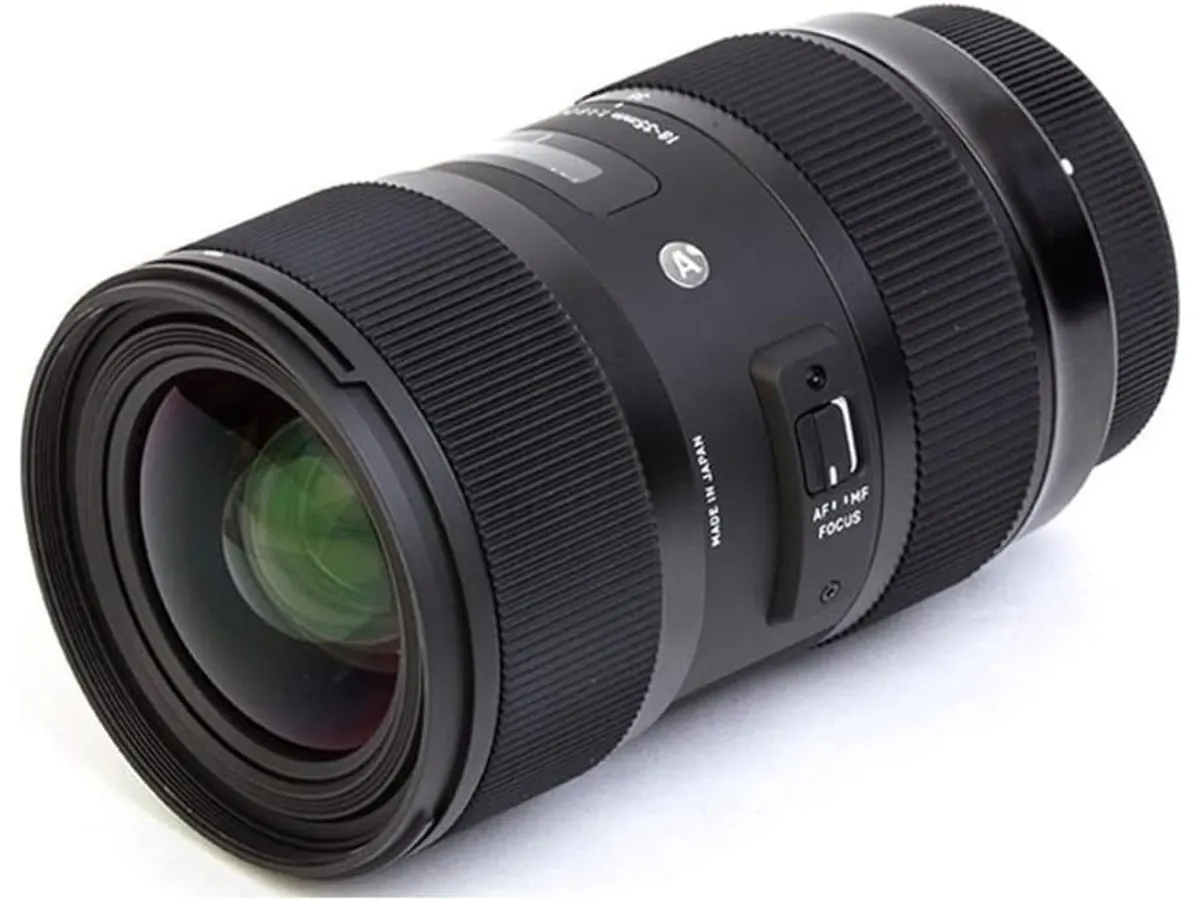
- Build quality: The construction feels professional and rugged, capable of handling the rigors of field production without the plasticky feel of entry-level optics.
- Manual focus control: The full-time manual focus override is smooth and responsive, which is essential for filmmakers who prefer pulling focus by hand rather than relying solely on autofocus.
- Consistency: Because the aperture stays at f/1.8 throughout the zoom, you do not have to worry about exposure shifts when reframing during a shot.
Key specifications
| Feature | Specification |
|---|---|
| Focal Length | 18-35mm |
| Maximum Aperture | f/1.8 |
| Minimum Aperture | f/16 |
| Minimum Focus Distance | 28 cm |
| Filter Size | 72 mm |
| Focus Motor | Ultrasonic (HSM) |
Where it falls short
The biggest drawback is the weight. This is a dense, heavy piece of glass that can easily unbalance smaller, mirrorless camera bodies, especially when used on a gimbal. If you are doing long days of run-and-gun handheld work, your arms will definitely feel it by the end of the shift.
Additionally, the lens lacks image stabilization. If you are shooting on a sensor that does not have In-Body Image Stabilization (IBIS), you will need a sturdy shoulder rig or a gimbal to get steady footage at the 35mm end. Finally, while the HSM motor is generally quiet, it isn’t always as snappy or silent as native glass, which can lead to minor hunting in challenging contrast situations.
Who is it for?
This lens is perfect for the narrative filmmaker or corporate videographer who is working on a controlled shoot. If you are filming interviews or staged product shots where you can control the environment and use a tripod or shoulder rig, the depth of field and sharpness are hard to beat.
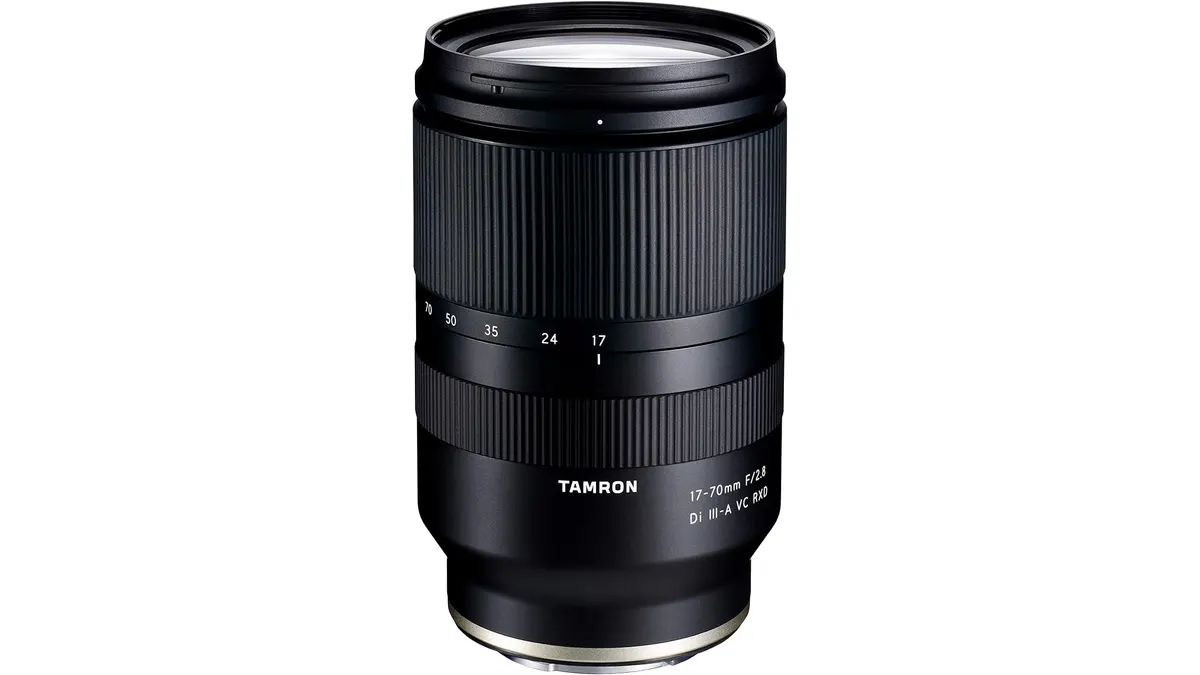
Conversely, this is not the right choice for the travel vlogger or the backpack-journalism shooter. The bulk, combined with the lack of stabilization and the limited focal range, makes it a poor “all-in-one” travel solution. If you need something more lightweight, you might consider the features found in the Tamron 17-70mm f/2.8 Di III-A VC RXD Review for Filmmakers, which offers better reach and built-in stabilization for active shooters.
Alternatives to consider
If you need more reach for documentary or event coverage, look toward higher-end standard zooms that offer greater focal flexibility. These typically command a higher price point but trade the f/1.8 aperture for internal stabilization and a much wider focal range, such as the Sony FE 70-200mm F2.8 GM OSS II Review for Filmmakers for those who need to get close to the action from a distance.
Alternatively, if you are looking for a budget-friendly prime kit, you could invest in a series of compact primes. While you lose the convenience of a zoom, a set of three compact f/2.0 primes will often be lighter and more discreet for street photography or hidden-camera setups than this heavy zoom.
Verdict
The Sigma 18-35mm F1.8 Art is a workhorse that earns its place in any serious APS-C kit. It provides a level of image quality and low-light performance that few zooms can match. While the weight and lack of stabilization are real trade-offs, they are acceptable sacrifices for the optical beauty this lens delivers. It remains a top-tier recommendation for any filmmaker prioritizing image quality above all else.
Frequently asked questions
Can I use this lens for gimbal work?
Yes, but balance is critical. Because of its weight, you will need a medium-to-large capacity gimbal. Ensure your setup is properly balanced to avoid motor strain.
Is the autofocus good for video?
It is reliable for most professional applications, but it lacks the lightning-fast, silent performance of the newest native glass. I would recommend using it for manual focus setups if you are doing professional narrative work.
Does the USB Dock actually help?
The USB Dock is a great value-add. It allows you to fine-tune the autofocus accuracy and update firmware, which can significantly extend the lifespan and reliability of the lens on newer camera bodies.

Written by
Charly River
Editor & Head of Reviews
I review audiovisual gear by cross-checking official specs, real availability and value for money. No sponsorships: if a link earns a commission, I always say so.
Spotted an error? Email usYou may also like
 Lenses
Tamron 17-70mm f/2.8 Di III-A VC RXD Review
Explore the strengths and weaknesses of the Tamron 17-70mm f/2.8 lens for Sony E. Ideal for versatile videography and photography.
 Lenses
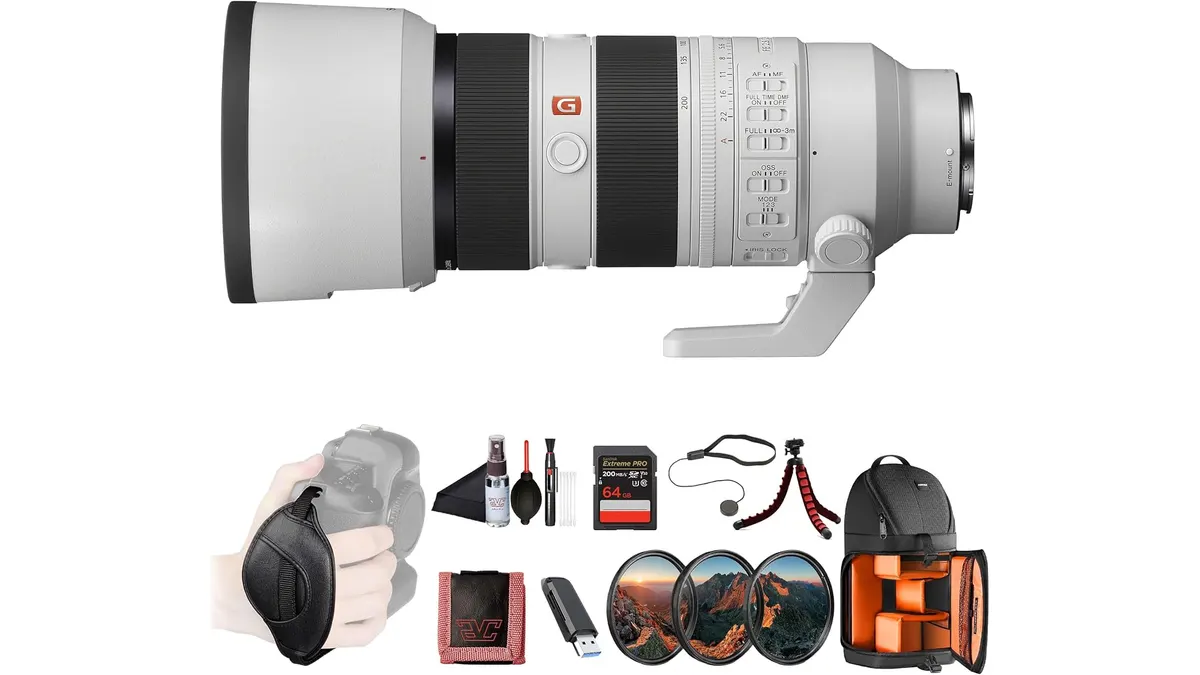
Sony FE 70-200mm F2.8 GM OSS II Review for Filmmakers
Discover the strengths and weaknesses of the Sony FE 70-200mm F2.8 GM OSS II lens for filmmakers and videographers. Perfect choice for quality production.
 Monitors
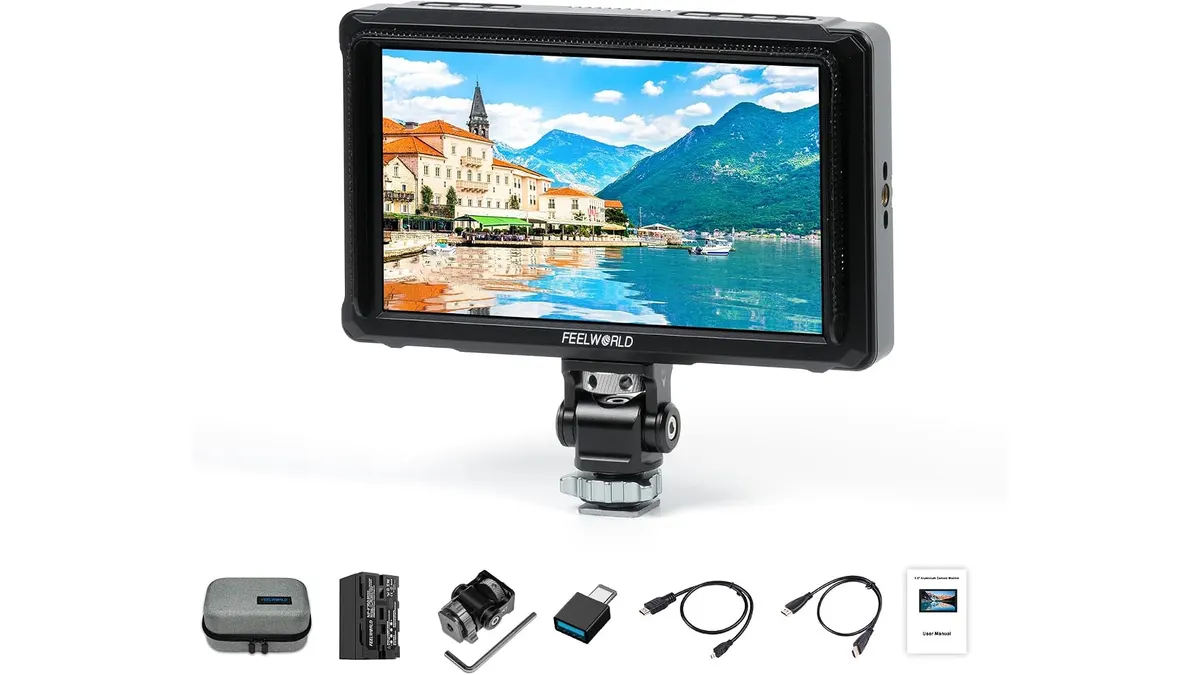
FEELWORLD FW568PRO Review: A Bright Field Monitor for Creators
Looking for a reliable field monitor? Our FEELWORLD FW568PRO review breaks down its 1200-nit screen, LUT support, and performance for solo video production.